Light
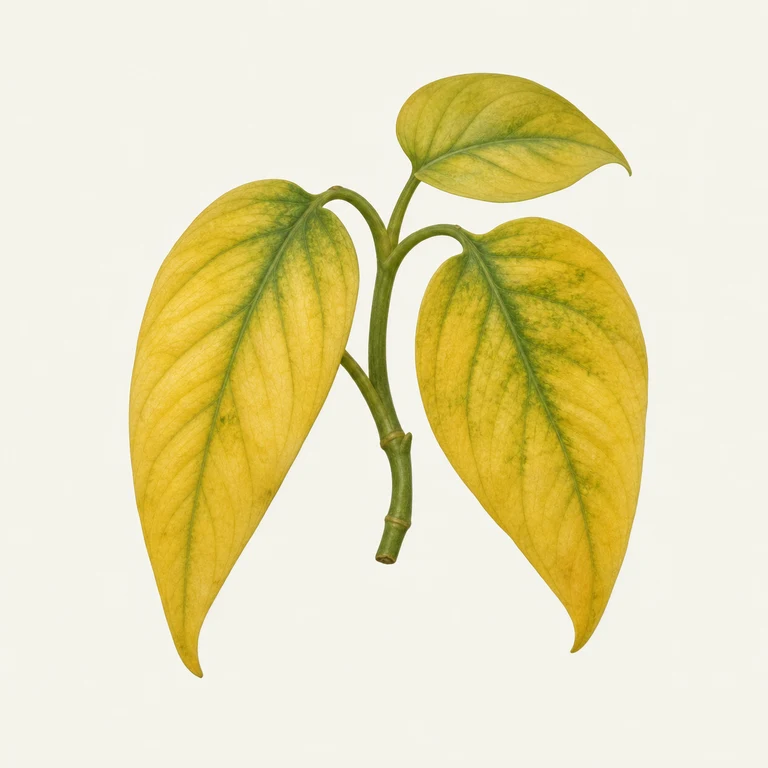
Yellow leaves
Yellow leaves signal stress, not a diagnosis. Check light, watering, pests, and recent changes.
Check causesThese signs are stress signals, not diagnoses. Compare what you see with root-zone moisture, light, pests, and recent changes to find the cause.
Yellow leaves signal stress, not a diagnosis. Check light, watering, pests, and recent changes.
Check causes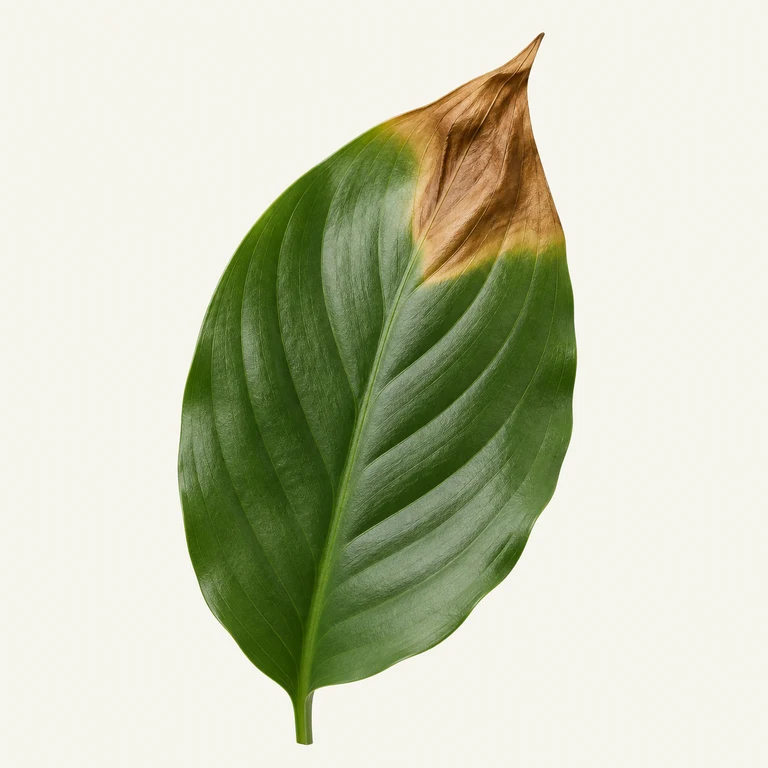
Brown tips show a pattern of damage. Check moisture, humidity, salts, and recent fertiliser use.
Check causes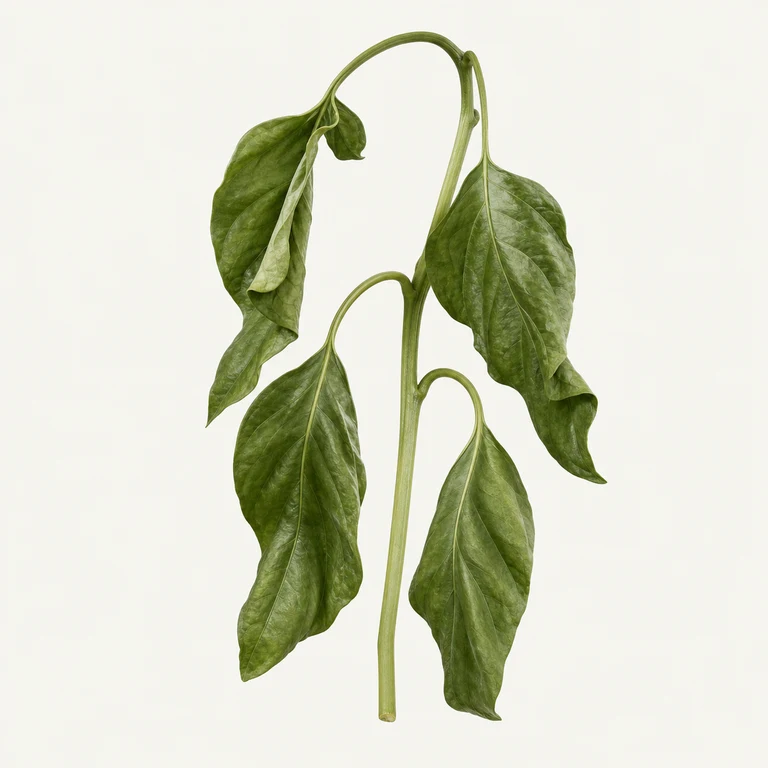
Drooping can mean too little or too much water. Check roots, soil moisture, and the pot.
Check causes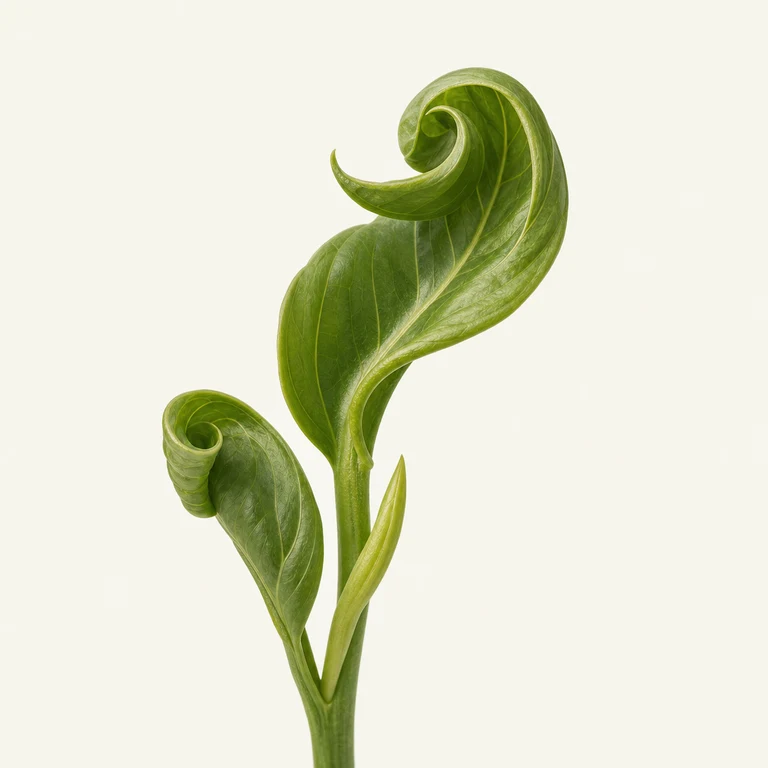
Curling can have multiple causes. Inspect new growth, leaf undersides, and moisture before treating.
Check causes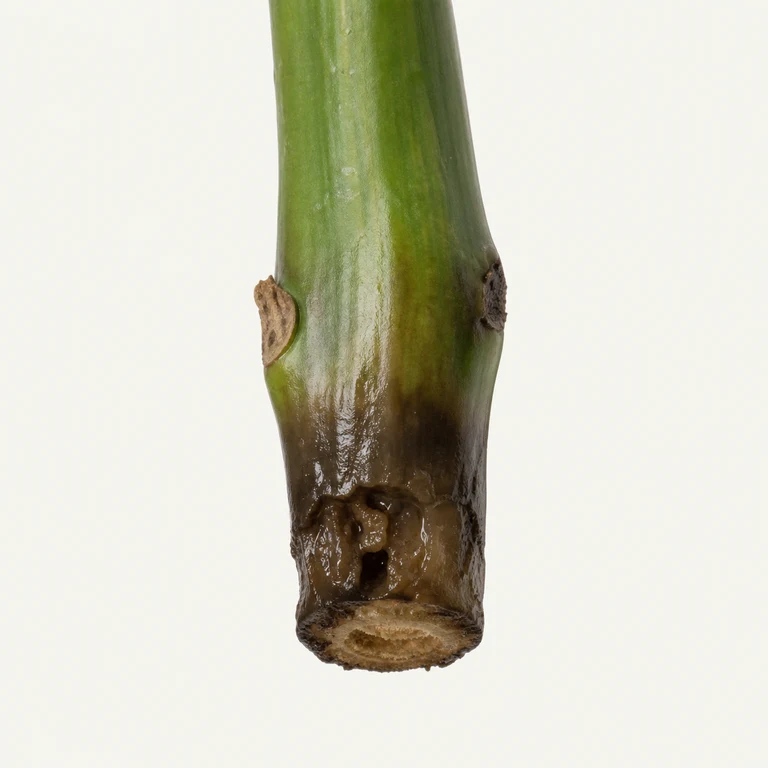
Often a sign of excess moisture or poor drainage. Check roots, soil, and pot conditions promptly.
Check causes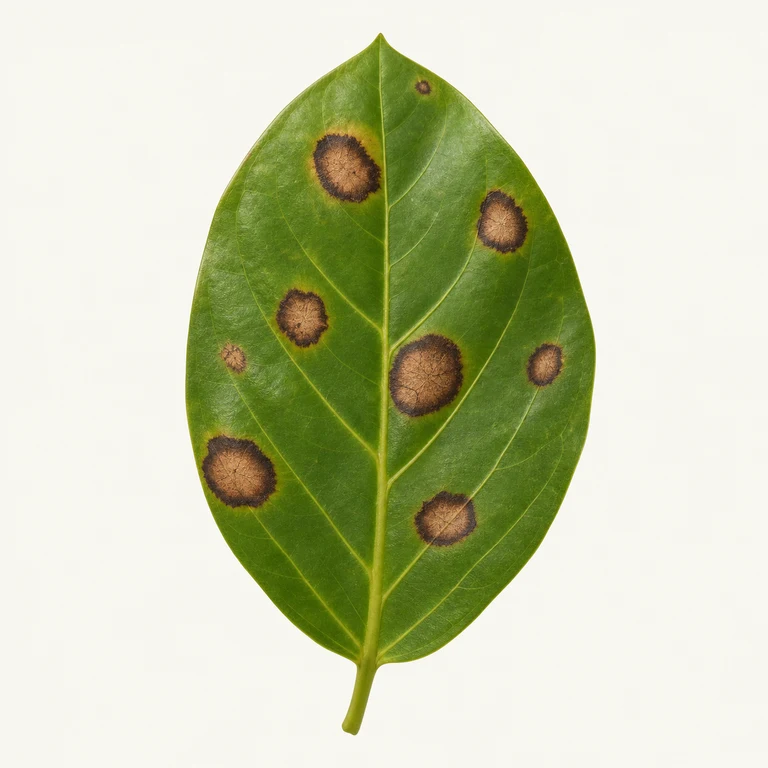
Spots can spread. Examine the pattern, moisture, airflow, and pests before treating the cause.
Check causes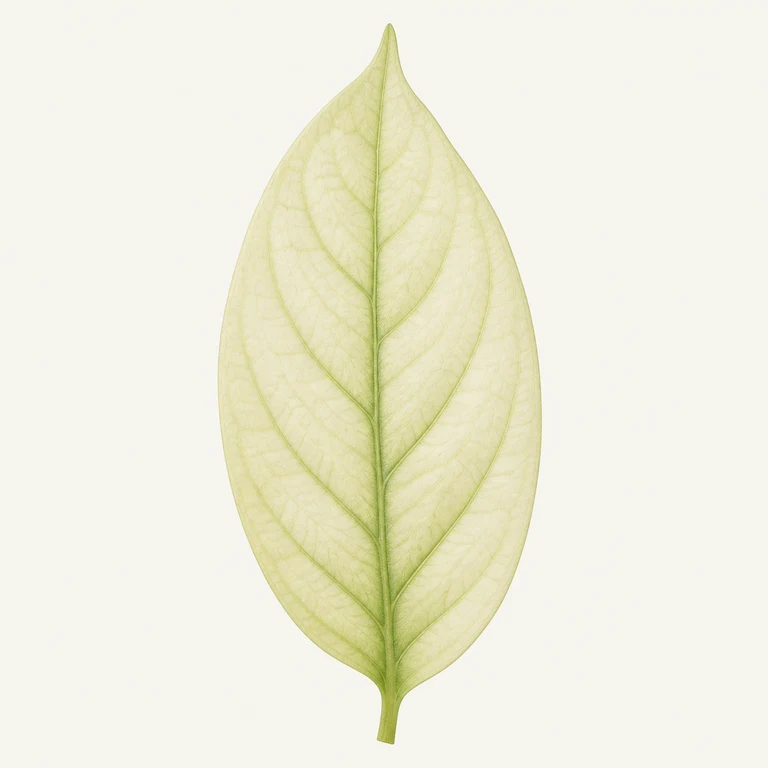
Pale leaves can mean insufficient light or nutrient stress. Compare new and old growth.
Check causes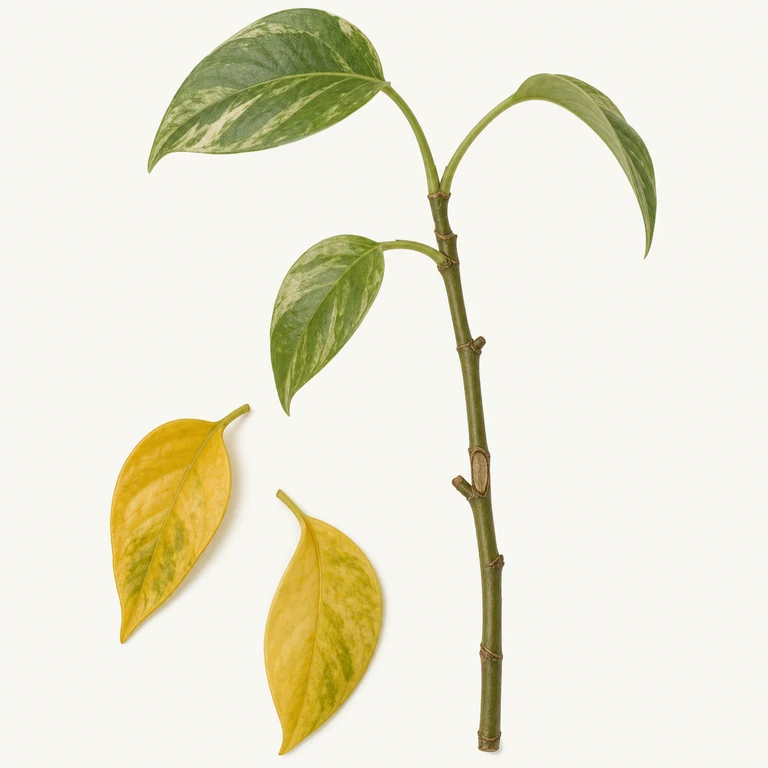
Leaf drop responds to change. Review watering, light, pests, and recent environmental shifts.
Check causes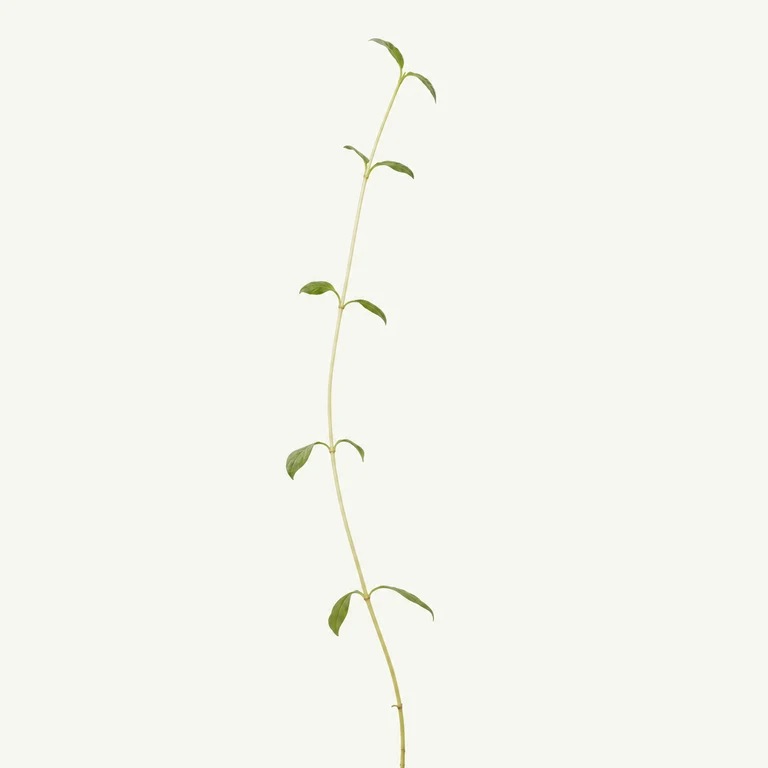
Long gaps and thin stems can signal low light. Compare new growth after improving placement.
Check causes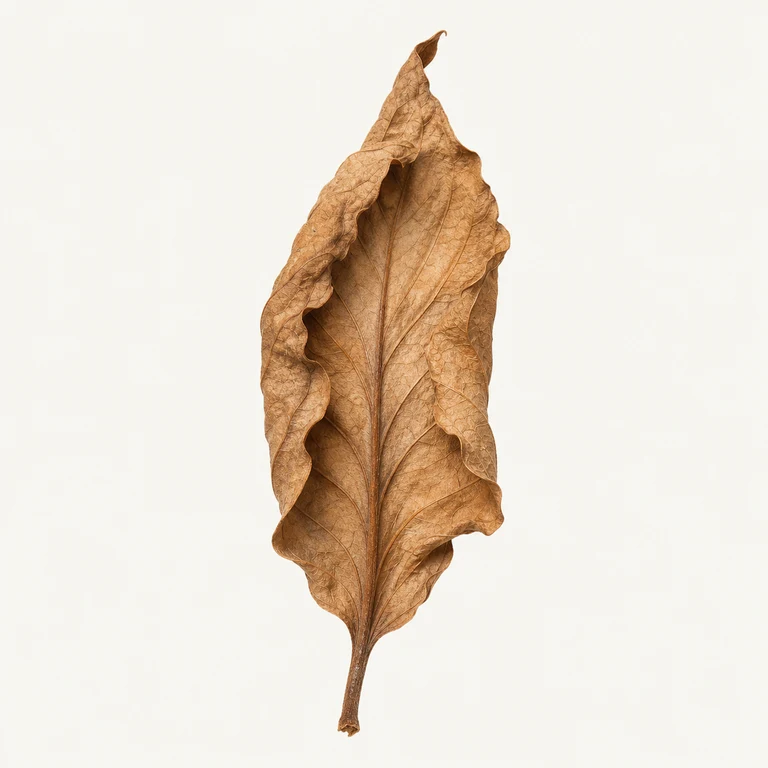
Dry, crispy leaves can result from low humidity, salts, underwatering, or heat. Check conditions.
Check causes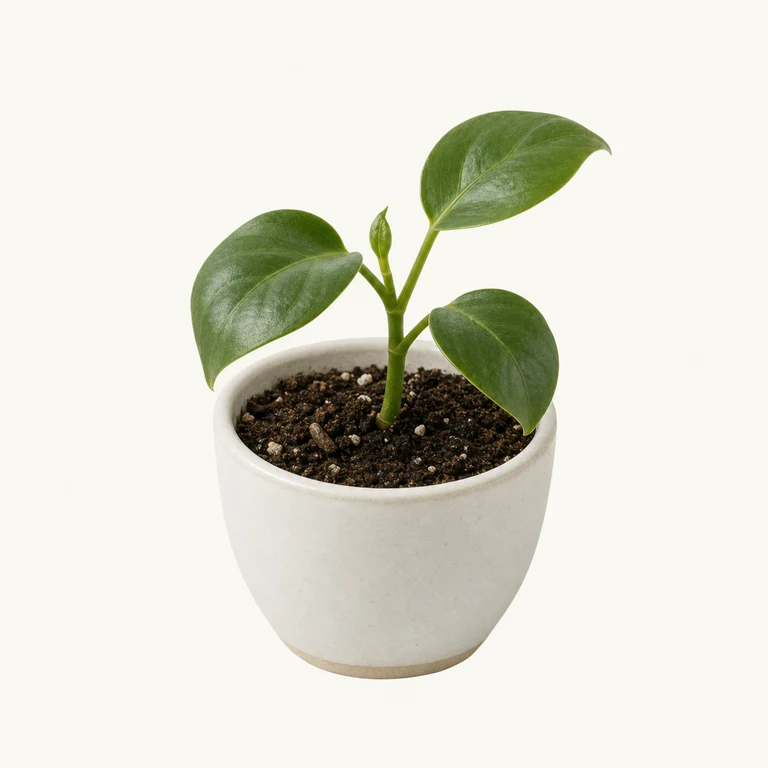
Growth slows with low light, root issues, pests, or seasonal change. Review the basics.
Check causes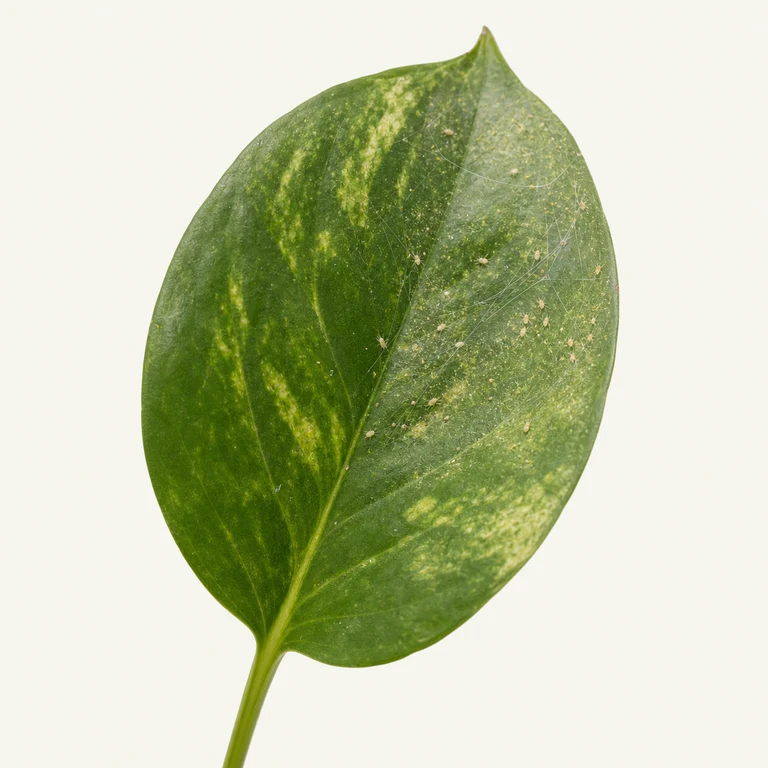
Insects, webbing, or sticky residue need fast attention. Inspect closely and confirm what you see.
Check causes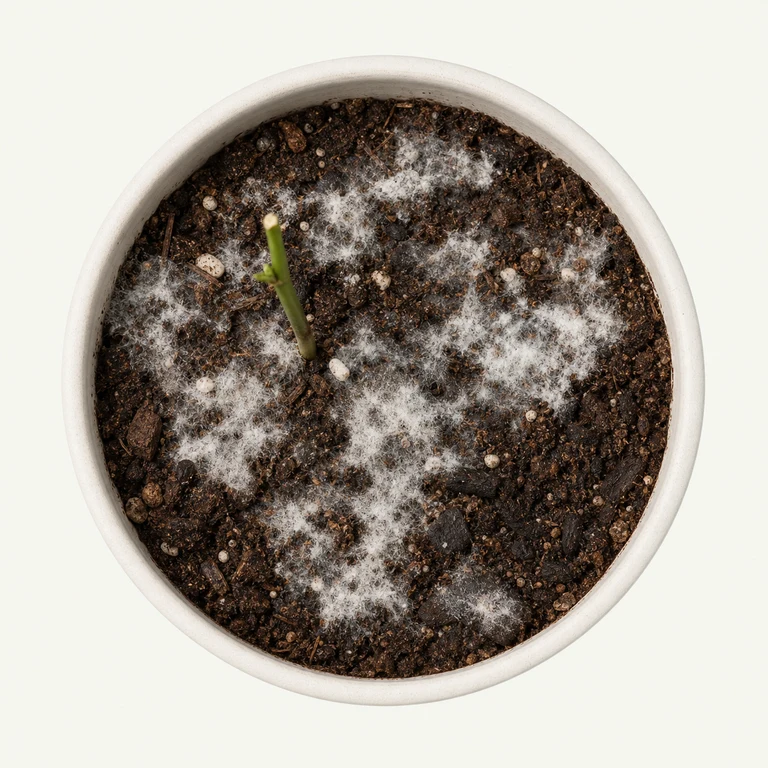
Surface growth often points to persistent moisture. Check airflow, drainage, debris, and drying time.
Check causes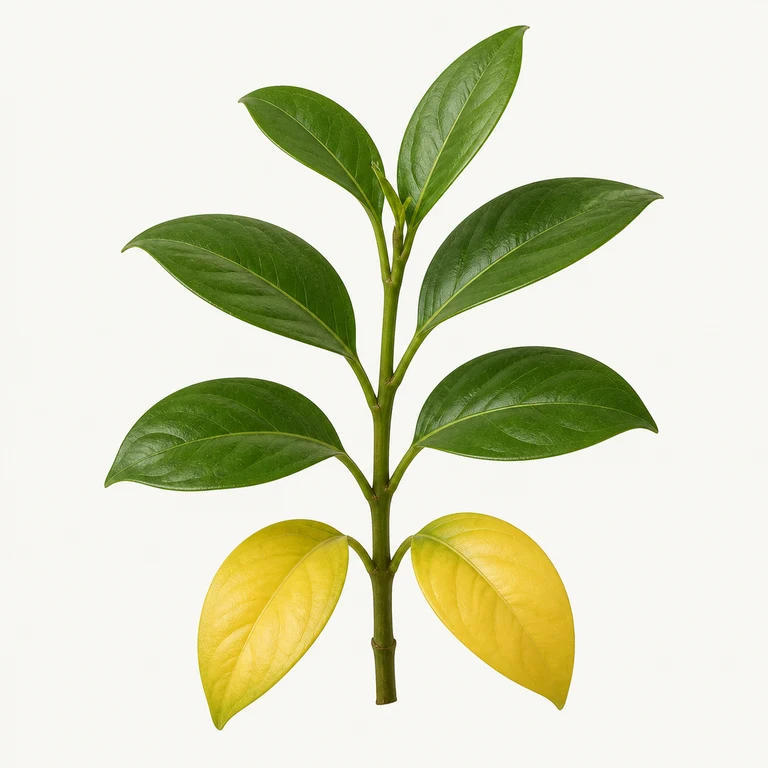
Lower-leaf yellowing is a pattern, not a watering cue. Compare its pace with moisture and light.
Check causes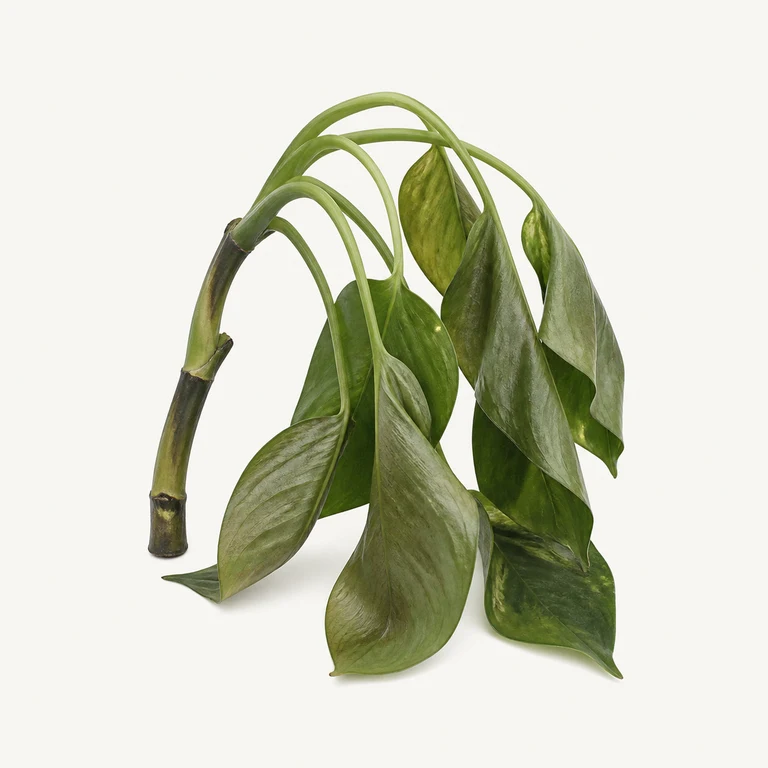
A sudden collapse needs prompt inspection. Check the root zone, stem base, drainage, and recent changes.
Check causes