Symptom guide

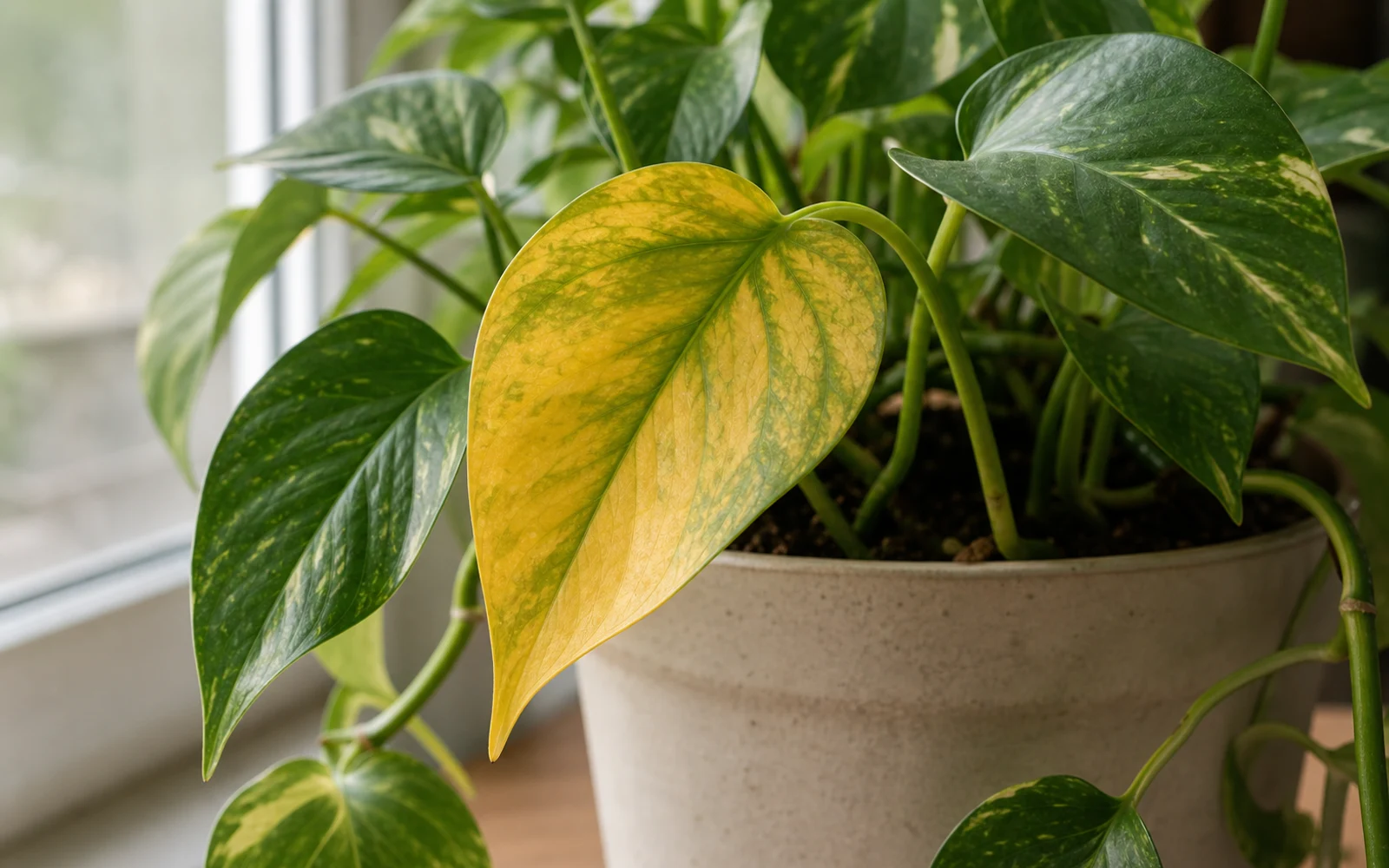
Yellow leaves

Yellow leaves are a stress signal, not a diagnosis. Compare the pattern with root-zone moisture, light, pests, and recent changes before changing care.

This tool lists possible explanations, not a confirmed plant diagnosis.

Starting checks for yellow leaves

  1. Check the potting mix below the surface and make sure excess water can leave the container.
  2. Note whether yellowing is limited to older leaves or is appearing across new and old growth.
  3. Inspect leaf undersides and stems for insects, webbing, sticky residue, or other visible clues.
likely

Root zone staying too wet

Wet soil combined with yellowing, drooping, or soft growth may fit a moisture-related stress pattern.

Check: Feel deeper in the pot, confirm drainage, and note whether the pot remains heavy for a long time.

possible

Light conditions do not match the plant

A plant away from its useful light range can show slower growth or foliage changes.

Check: Observe the position across the day and compare it with the plant’s light guidance.

Warning signs to check promptly

  • Yellowing that spreads while the mix stays wet, the plant droops, or roots appear dark and soft calls for a prompt root-zone inspection.
  • Rapid yellowing together with visible pests, webbing, or sticky residue warrants isolating the plant from nearby plants while you identify the issue.

Frequently asked questions

Should I water a plant as soon as leaves turn yellow?

No. Yellowing can occur with excess water as well as drought and other stresses. Check moisture below the surface and drainage before watering.

Can low light be related to yellow leaves?

It can be one of several environmental factors. Review the plant's own light guidance and any recent move before changing its position gradually.

Do yellow leaves always mean a pest problem?

No. Pests are only one possibility. Look for insects, webbing, or sticky residue rather than treating for pests from yellowing alone.

Sources used for this guide