Light
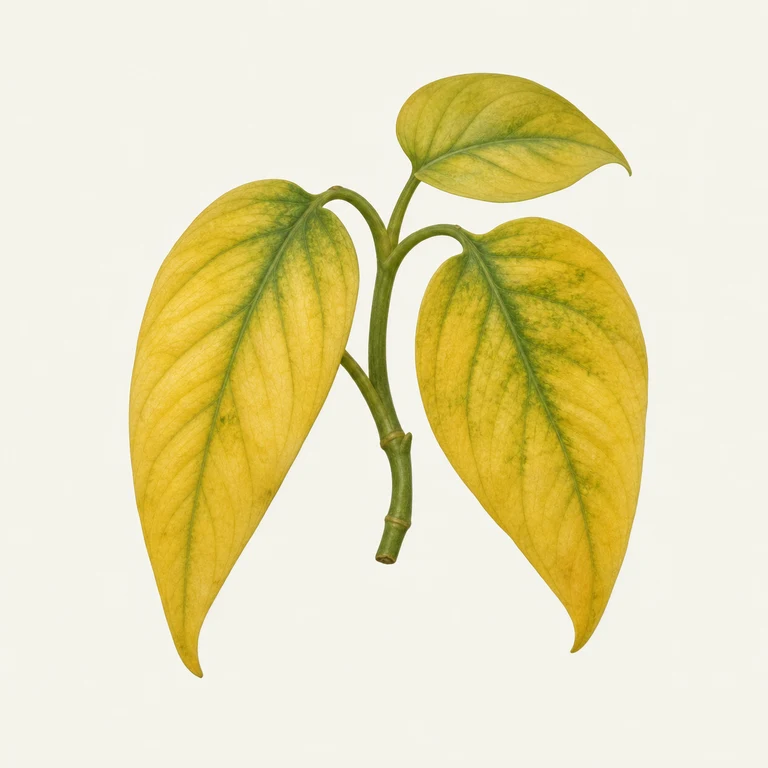
Yellow leaves
Yellow leaves signal stress, not a diagnosis. Check light, watering, pests, and recent changes.
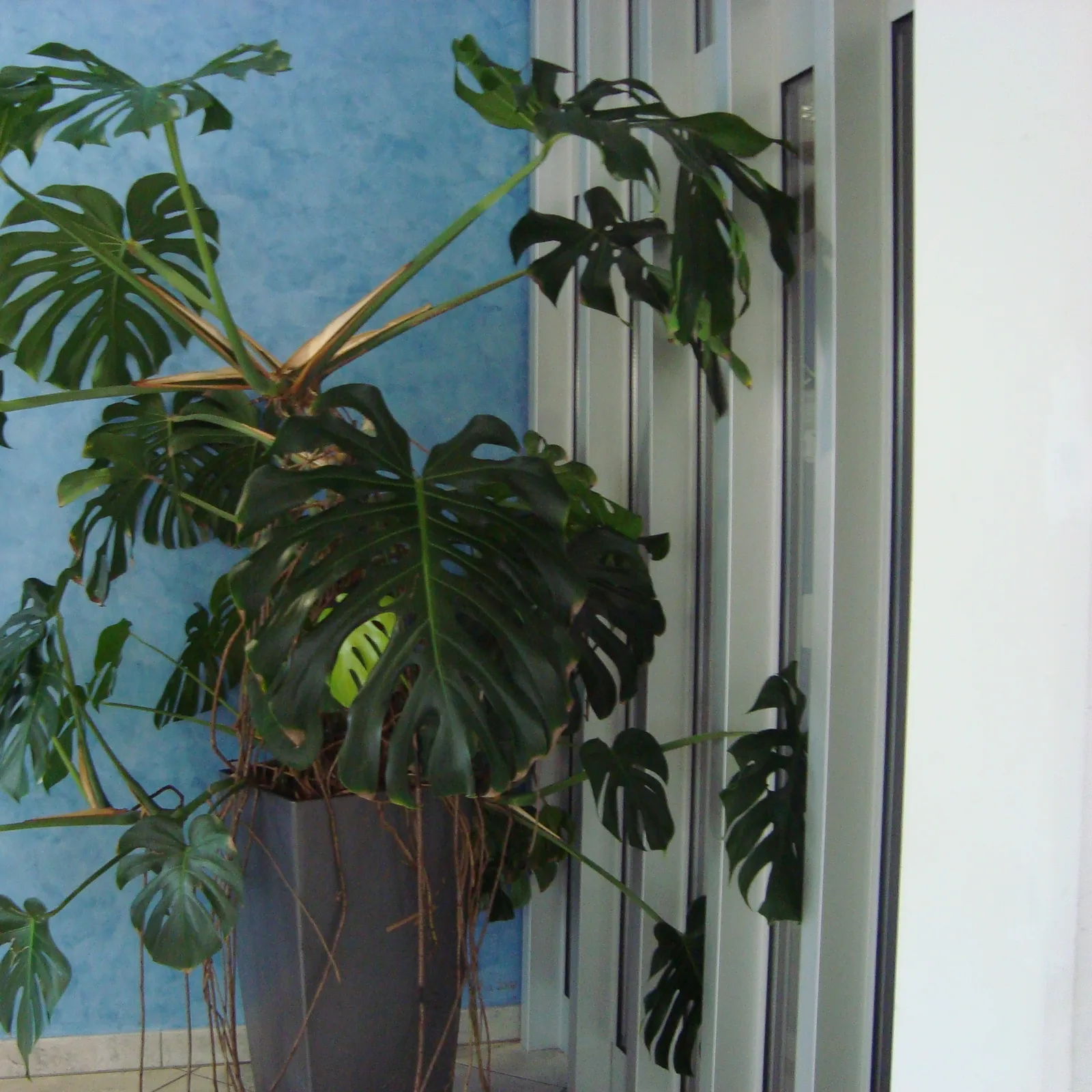
Check causesMonstera deliciosa
A large-leaved tropical houseplant that rewards bright, indirect light and an airy root zone.
Yellow leaves signal stress, not a diagnosis. Check light, watering, pests, and recent changes.
Check causes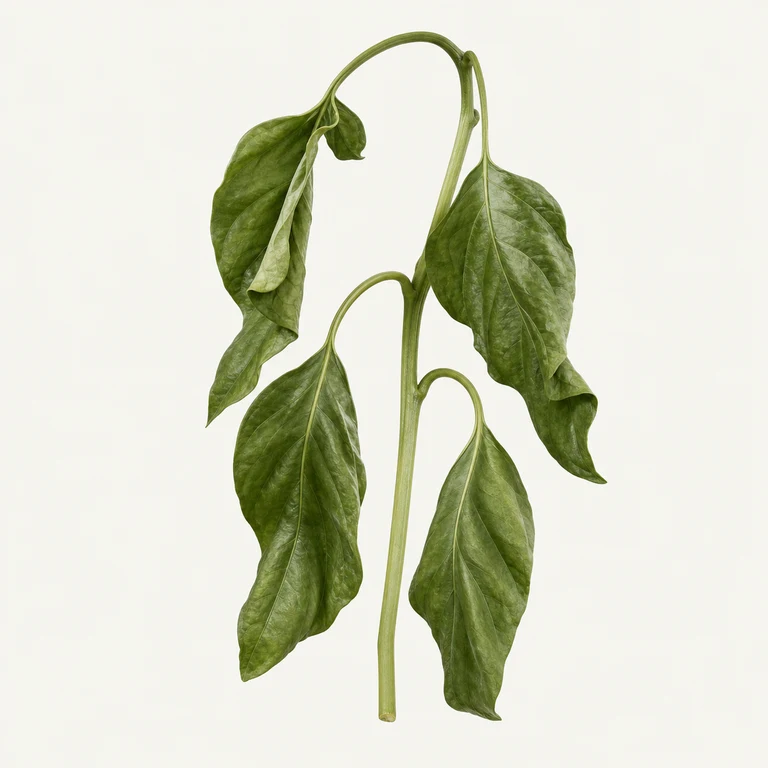
Drooping can mean too little or too much water. Check roots, soil moisture, and the pot.
Check causes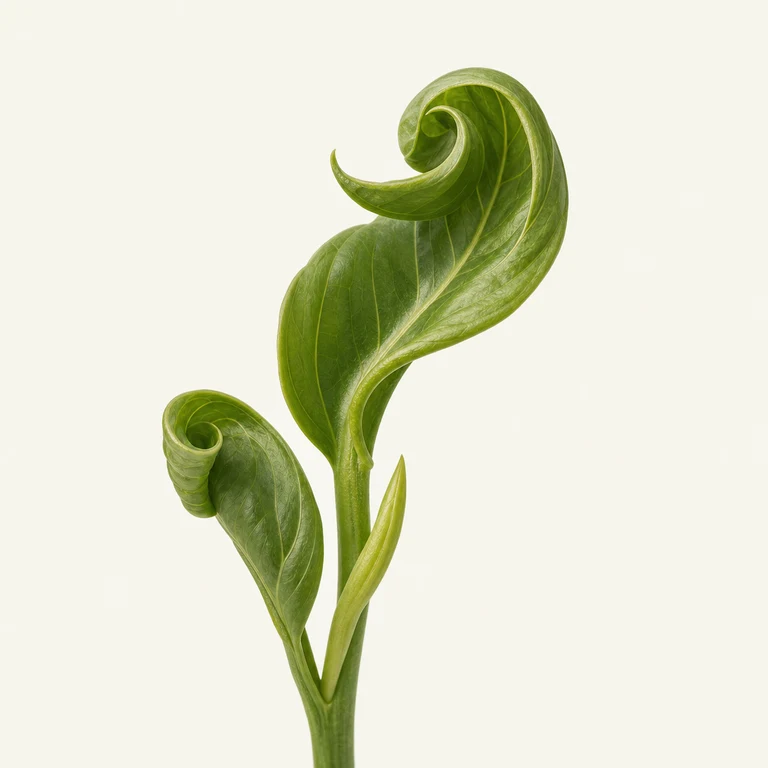
Curling can have multiple causes. Inspect new growth, leaf undersides, and moisture before treating.
Check causesPlace near bright, filtered daylight. Protect leaves from abrupt, intense sun exposure.
Check the upper 3–5 cm of mix. Water when this zone has dried, then let excess drain; brighter, warmer rooms usually change the pace.
This is a care estimate, not a fixed watering schedule. Check the root zone before deciding.
Use an airy mix that can be checked below the surface. If a large pot stays heavy for a long time, inspect drainage before watering again.
Average home humidity is often workable; dry air and drafts can make leaf edges look stressed.
Feed only during active growth and follow the product label. Pause feeding while investigating stress or root-zone problems.
Consider repotting when roots and watering behaviour show the current container is no longer working, rather than moving up by a large pot size.
Remove damaged leaves with clean tools and make gradual changes. A support can be evaluated separately from a pruning decision.
Use healthy stem material and clean tools. Treat propagation as a separate experiment, not a remedy for a stressed parent plant.
Aim for a stable indoor range around 16–29°C. Local conditions and seasonal changes still matter.
For cats: toxic; for dogs: toxic; for humans: irritating. Keep plant material out of reach of children and animals; consult a veterinary or medical professional if ingestion is suspected.
Pause watering and check drainage before changing light or feeding. Lingering moisture is more useful information than a calendar date.
Inspect the root zone and accessible stems promptly. Do not add water simply because a leaf has changed.
Leaf shape can be influenced by maturity, light, and overall growing conditions. Check the whole care setup rather than changing one factor abruptly.
Check below the surface rather than following a fixed interval. Water after the observed root zone has dried, then let excess drain.
Use bright, filtered daylight as the starting point. Make any move toward stronger light gradually and watch the leaves for stress.
A support can help manage a larger climbing plant, but it is separate from watering or pruning decisions. Keep it stable and avoid forcing stems into position.
These references support the safety, temperature, watering, pest, propagation, and warning-sign guidance in this profile.