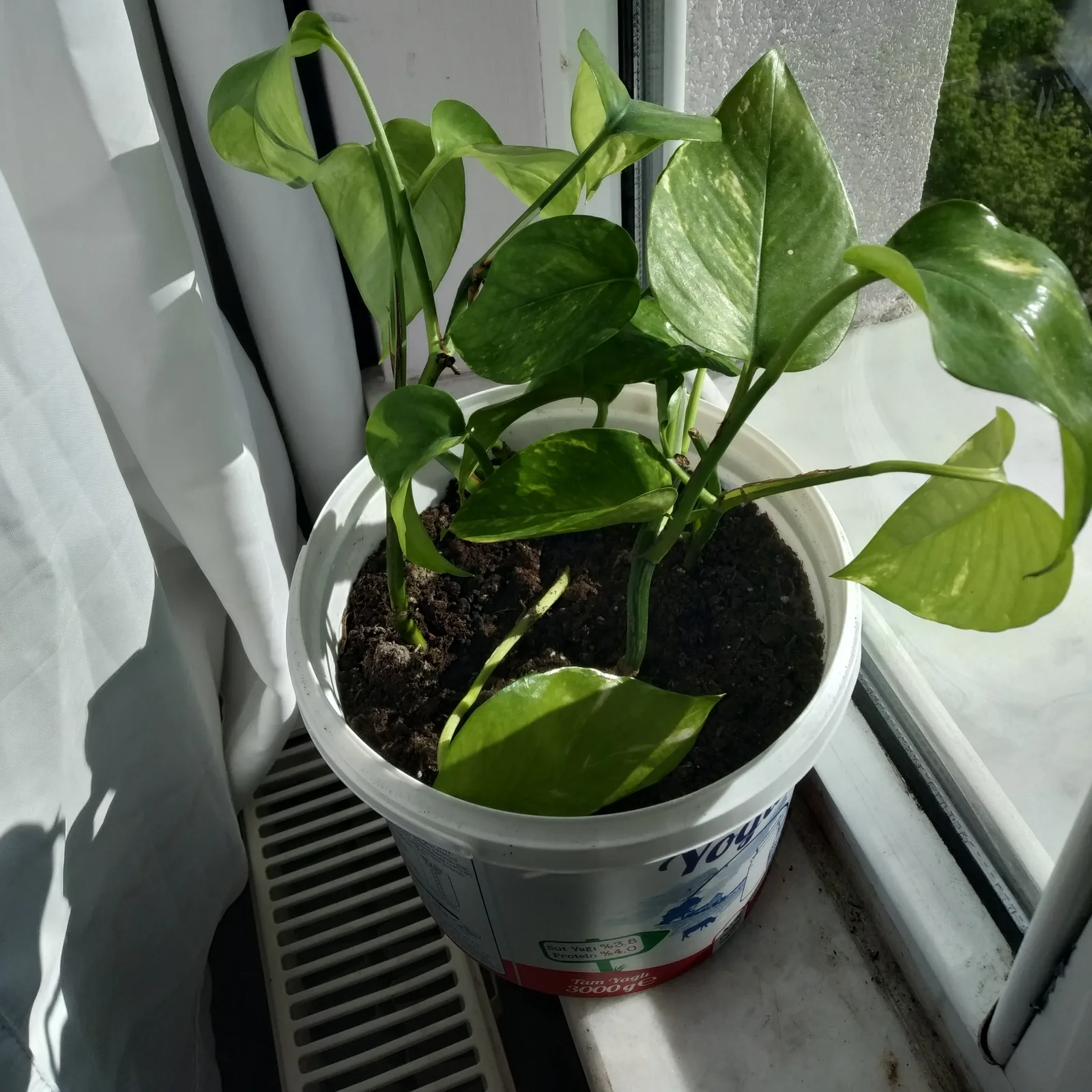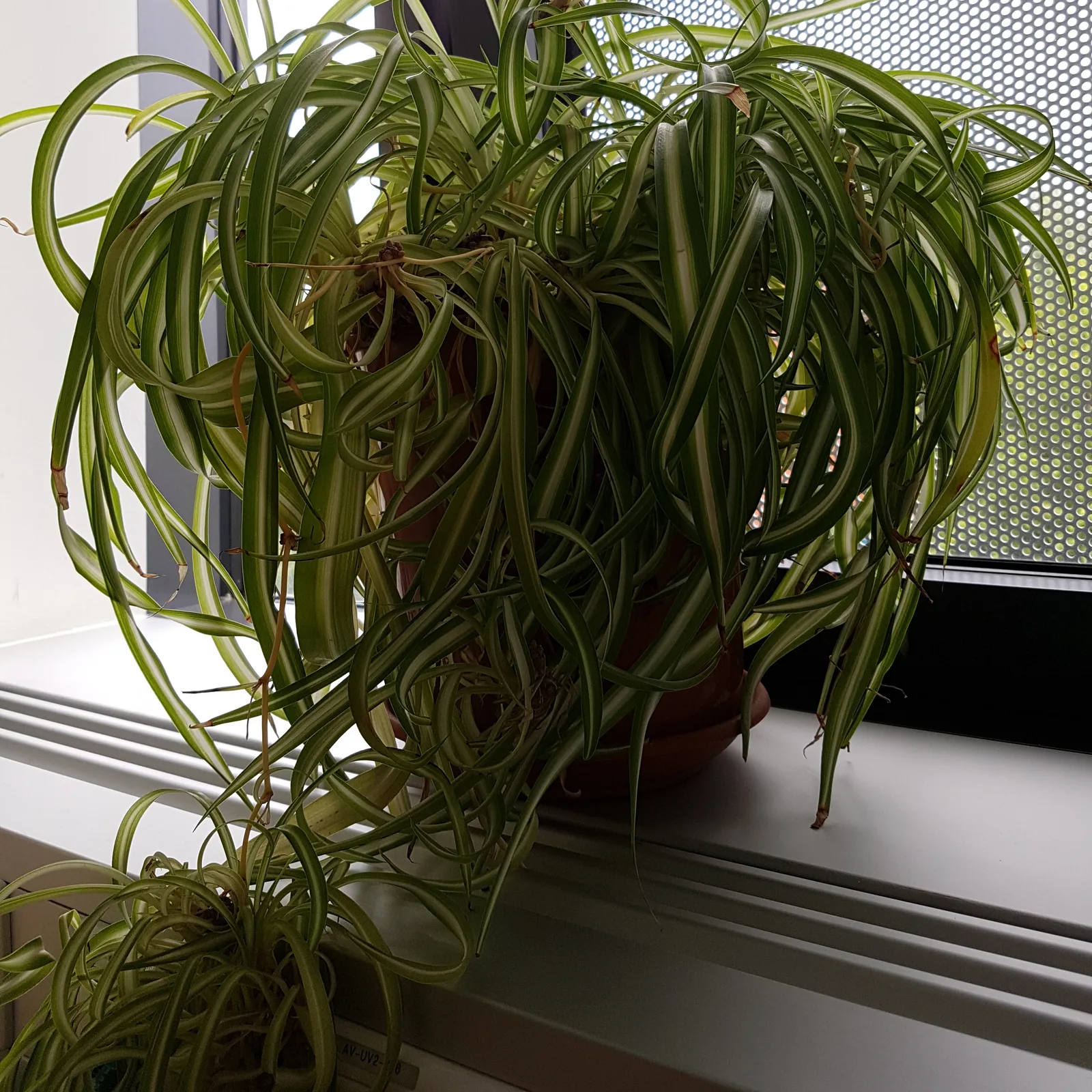
Light
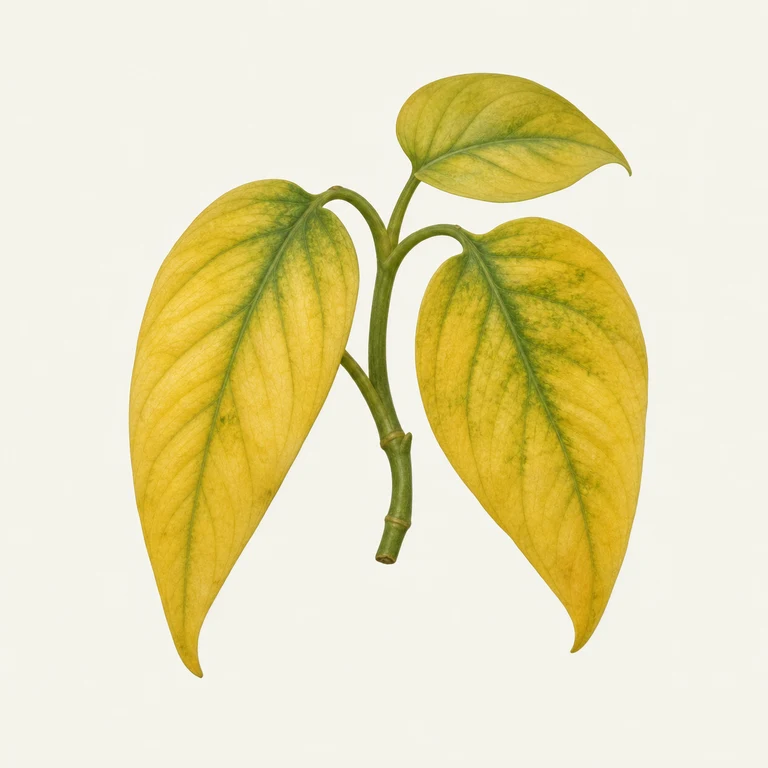
Yellow leaves
Yellow leaves signal stress, not a diagnosis. Check light, watering, pests, and recent changes.
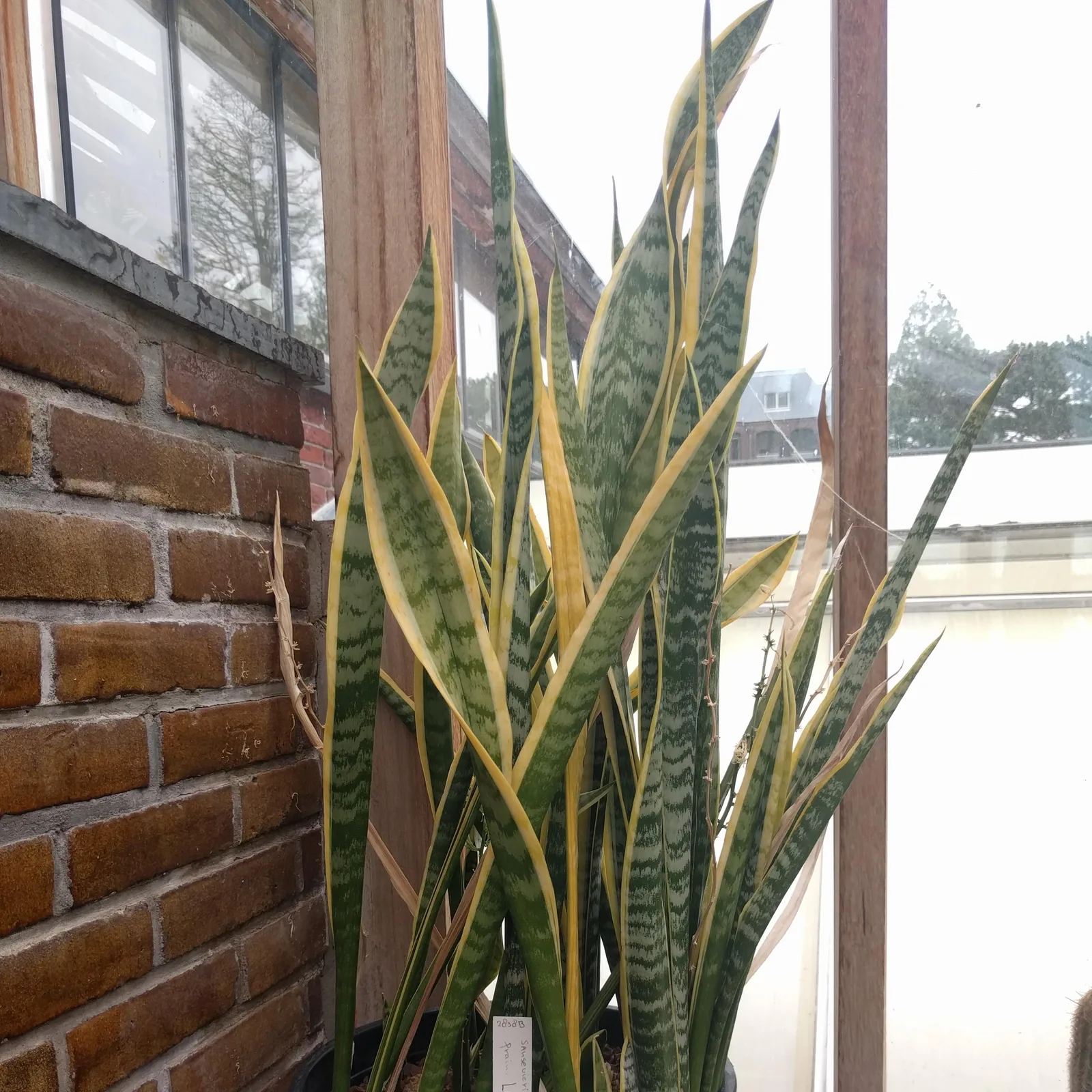
Check causesDracaena trifasciata
An upright, drought-tolerant foliage plant that benefits from drying more deeply between waterings.
Yellow leaves signal stress, not a diagnosis. Check light, watering, pests, and recent changes.
Check causes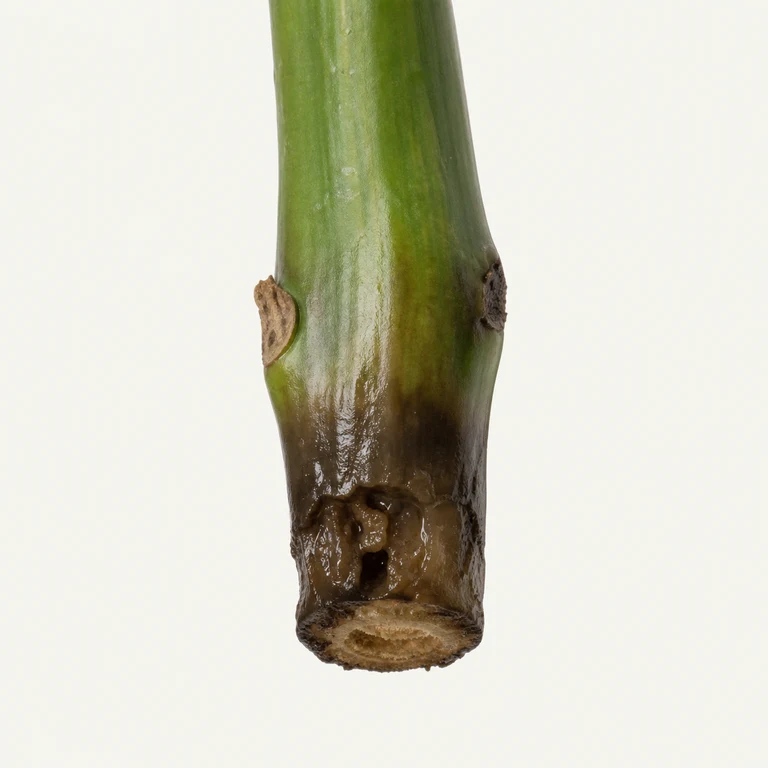
Often a sign of excess moisture or poor drainage. Check roots, soil, and pot conditions promptly.
Check causes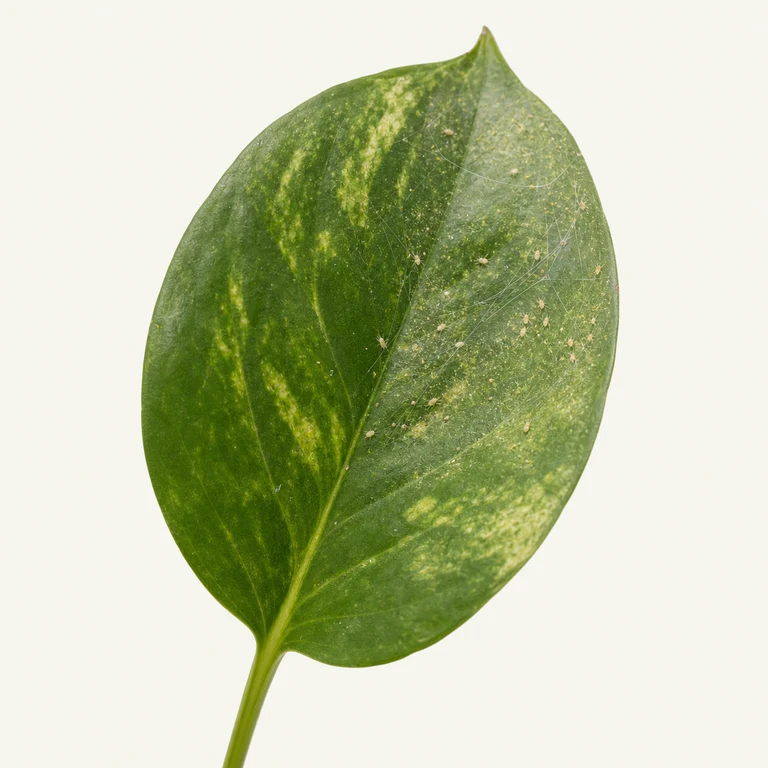
Insects, webbing, or sticky residue need fast attention. Inspect closely and confirm what you see.
Check causesIt adapts to low light but generally grows more steadily in indirect daylight.
Let the mix dry well beyond the surface before watering. Heavy, wet mix or a pot without drainage deserves a cautious check rather than more water.
This is a care estimate, not a fixed watering schedule. Check the root zone before deciding.
Choose a free-draining mix and a pot that lets you assess dryness below the surface. Do not use a dry-looking top layer as the only cue.
It generally handles ordinary dry indoor air; keep it away from cold drafts.
Feed lightly and only when conditions support active growth. Do not add fertilizer while leaves are yellowing or the base feels soft.
Repot for a clear root, soil, or drainage reason. A much larger pot can make it harder to judge lingering moisture.
Remove soft or damaged tissue with clean tools only after checking whether moisture is the underlying concern.
Use firm, healthy material and a clean cutting tool. Do not propagate soft tissue as a way to bypass a possible root-zone issue.
Aim for a stable indoor range around 18–29°C. Local conditions and seasonal changes still matter.
For cats: toxic; for dogs: toxic; for humans: toxic. Keep plant material out of reach of children and animals; consult a veterinary or medical professional if ingestion is suspected.
Pause watering and inspect the pot, mix, and accessible roots. Soft tissue is a reason for a prompt root-zone check, not a signal to water.
Inspect leaves and stems in good light, identify what is present, and choose a plant-appropriate response rather than treating preventively.
Soft tissue can be a sign to pause watering and inspect soil moisture, drainage, and roots carefully.
Use the dryness of the deeper mix rather than a calendar. Lower light and cooler conditions usually slow drying, so re-check before watering.
It tolerates low light, but indirect daylight generally supports steadier growth. Avoid using low-light tolerance as a reason to stop observing the plant.
This profile is marked toxic for cats and dogs. Keep it out of reach and seek veterinary advice if ingestion is suspected.
These references support the safety, temperature, watering, pest, propagation, and warning-sign guidance in this profile.