Light
Yellow leaves
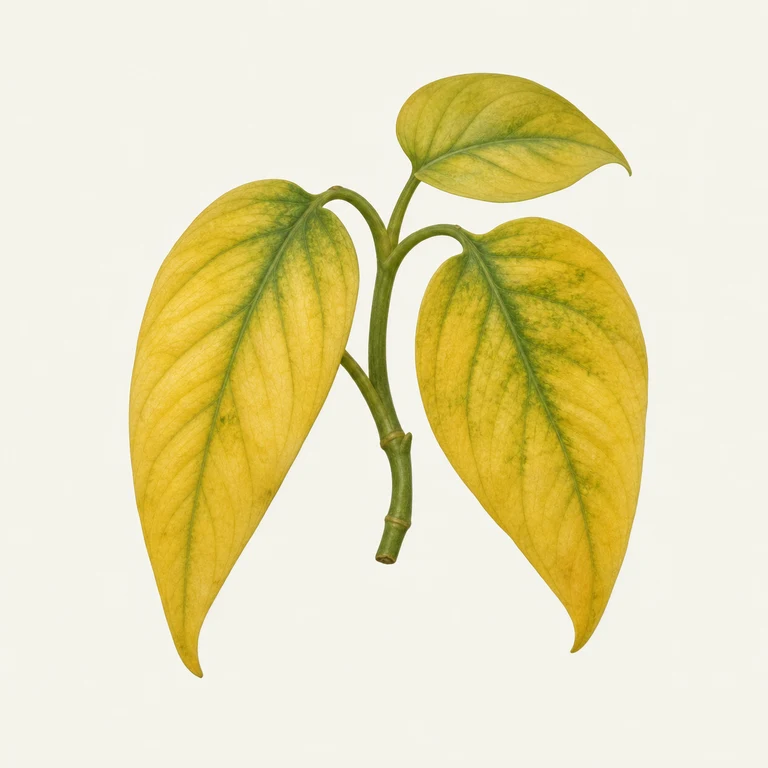
Yellow leaves signal stress, not a diagnosis. Check light, watering, pests, and recent changes.
Check causesEpipremnum aureum
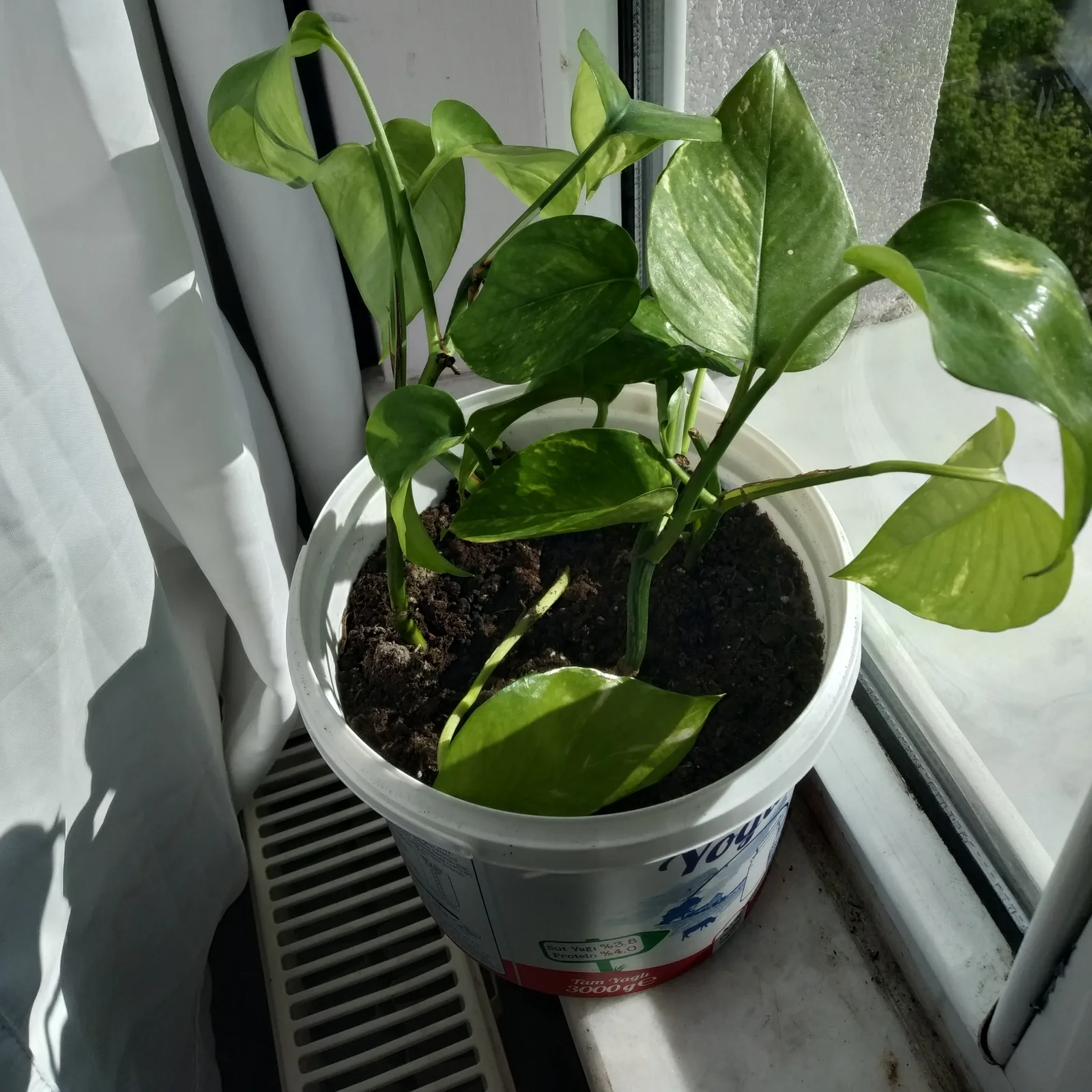
A trailing foliage plant that adapts to many indoor rooms, while still responding best to steady indirect light.
Yellow leaves signal stress, not a diagnosis. Check light, watering, pests, and recent changes.
Check causes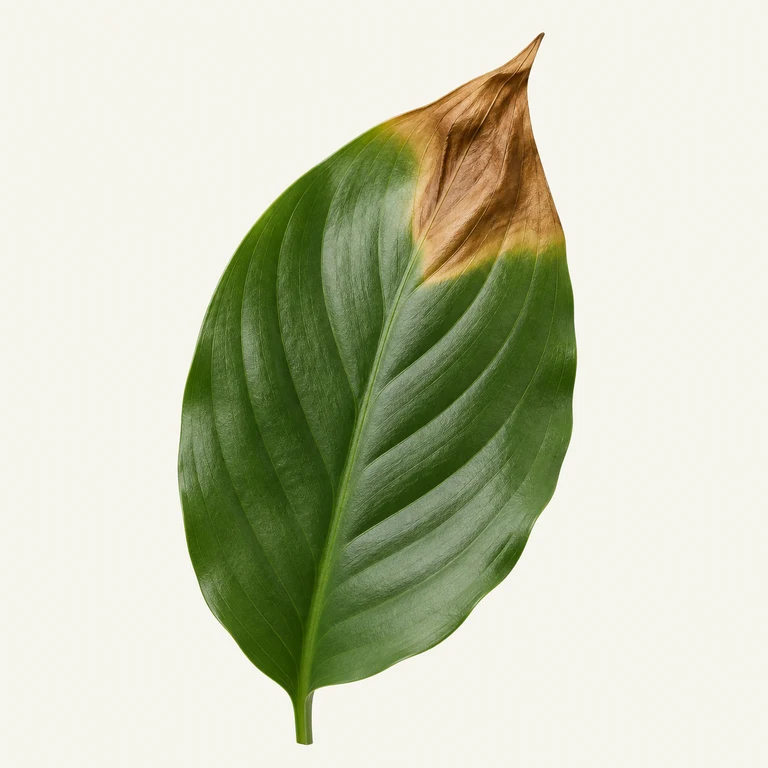
Brown tips show a pattern of damage. Check moisture, humidity, salts, and recent fertiliser use.
Check causes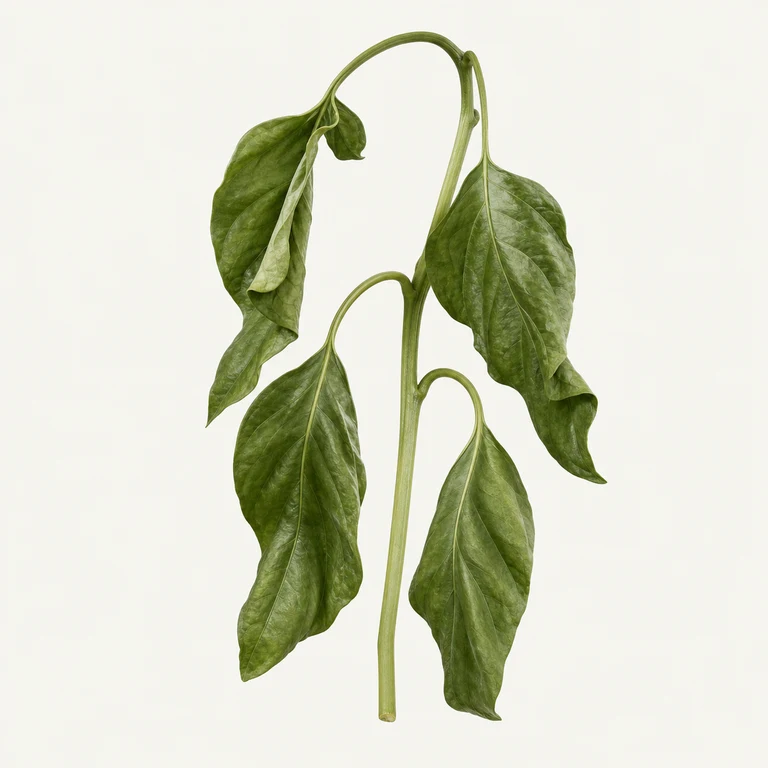
Drooping can mean too little or too much water. Check roots, soil moisture, and the pot.
Check causes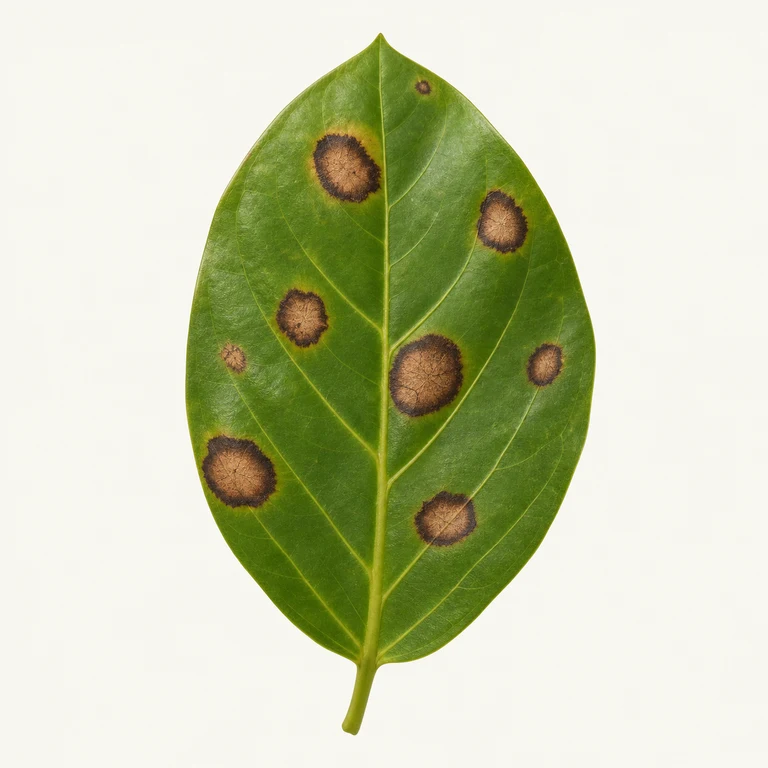
Spots can spread. Examine the pattern, moisture, airflow, and pests before treating the cause.
Check causesLow light can be tolerated, but medium to bright indirect light usually supports fuller growth.
Check the top few centimetres before watering. Allow that zone to dry, then water thoroughly and discard drained water.
This is a care estimate, not a fixed watering schedule. Check the root zone before deciding.
Use a mix that wets through and drains after watering. If the surface dries much faster than the root zone, check deeper before repeating water.
Average household humidity is usually suitable; avoid placing it beside strong heating or cooling airflow.
Use a labelled houseplant fertilizer only while the plant is actively growing and conditions are stable; avoid using fertilizer to solve yellowing first.
Repot when the current mix or root crowding makes even watering difficult. Keep the next container modest so the root zone stays observable.
Trim damaged or overly long growth with clean tools after identifying why it changed. Avoid removing a large amount of foliage at once.
Healthy cuttings can be used for propagation, but inspect the source plant first so a pest or moisture problem is not carried forward.
Aim for a stable indoor range around 18–29°C. Local conditions and seasonal changes still matter.
For cats: toxic; for dogs: toxic; for humans: irritating. Keep plant material out of reach of children and animals; consult a veterinary or medical professional if ingestion is suspected.
Check root-zone moisture and leaf surfaces before treating. Avoid adding water or applying a treatment based on one sign alone.
Pause watering and confirm drainage. Yellowing can have more than one cause, so compare the leaf change with light and soil observations.
It can tolerate lower light, though growth and variegation may be less pronounced than in indirect daylight.
Start with the pot and root-zone moisture, then compare the position with the plant's light guidance. Do not assume yellowing alone identifies one cause.
Use clean tools and remove damaged or overly long growth after checking why it changed. Avoid taking a large amount of healthy foliage at once.
This profile is marked toxic for cats and dogs. Keep it out of reach and contact a veterinary professional if an animal may have ingested plant material.
These references support the safety, temperature, watering, pest, propagation, and warning-sign guidance in this profile.