Watering
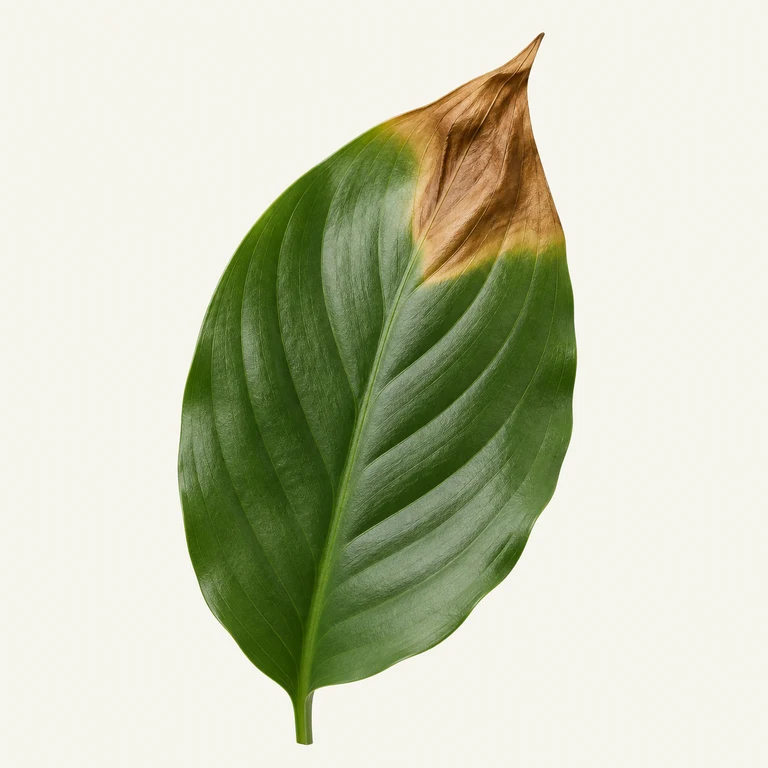
Brown tips
Brown tips show a pattern of damage. Check moisture, humidity, salts, and recent fertiliser use.
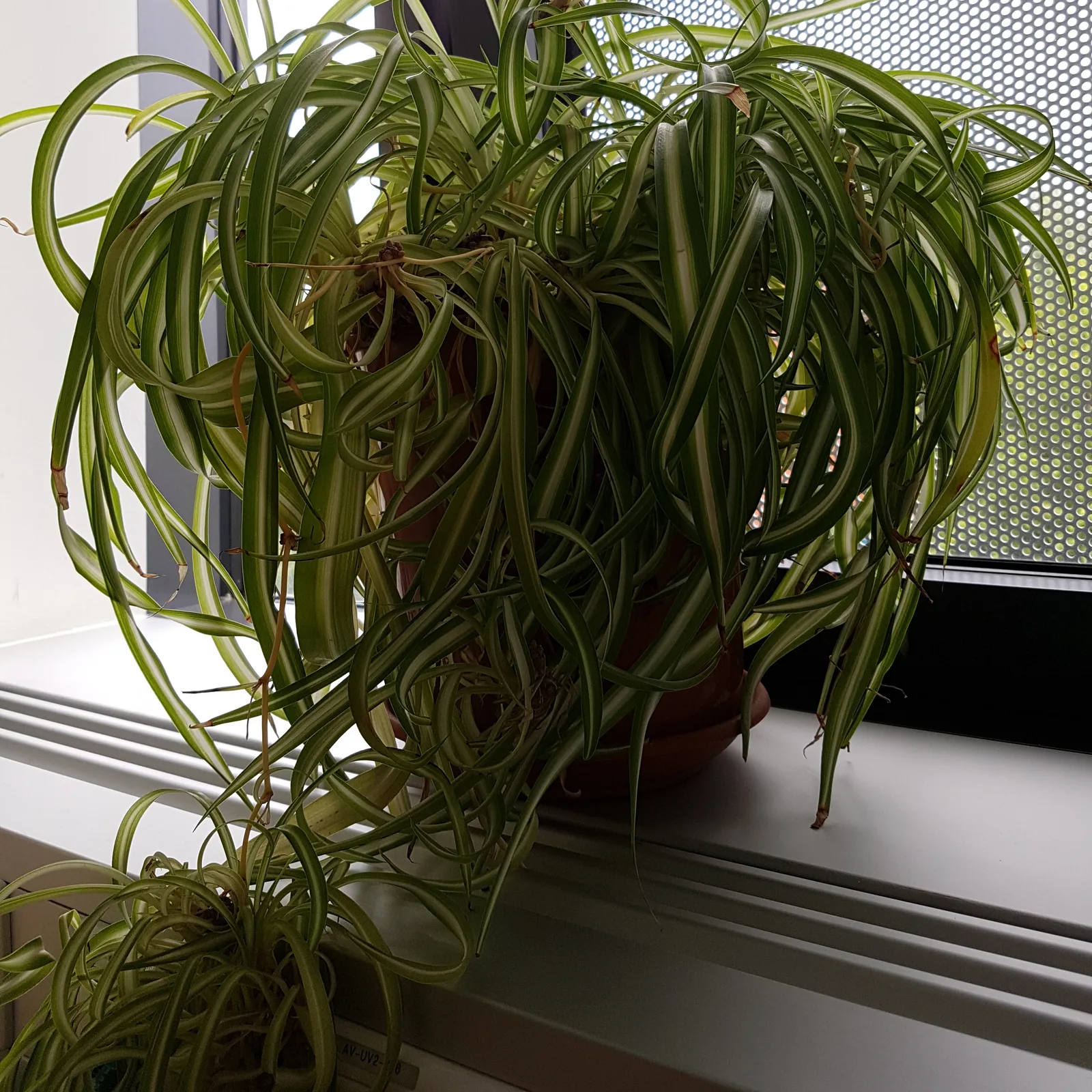
Check causesChlorophytum comosum
An arching, beginner-friendly plant suited to bright indirect light and forgiving everyday care.
Brown tips show a pattern of damage. Check moisture, humidity, salts, and recent fertiliser use.
Check causes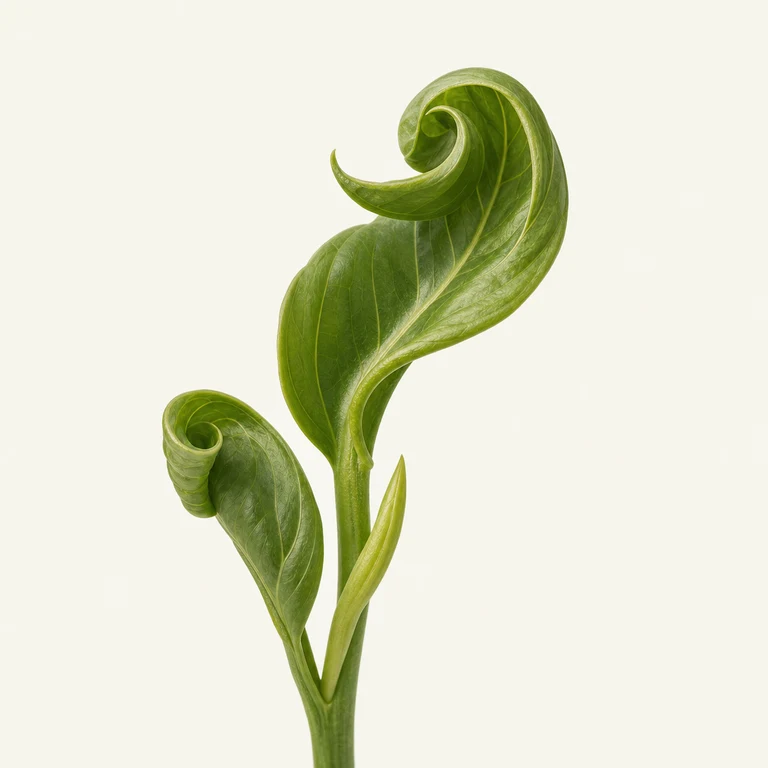
Curling can have multiple causes. Inspect new growth, leaf undersides, and moisture before treating.
Check causes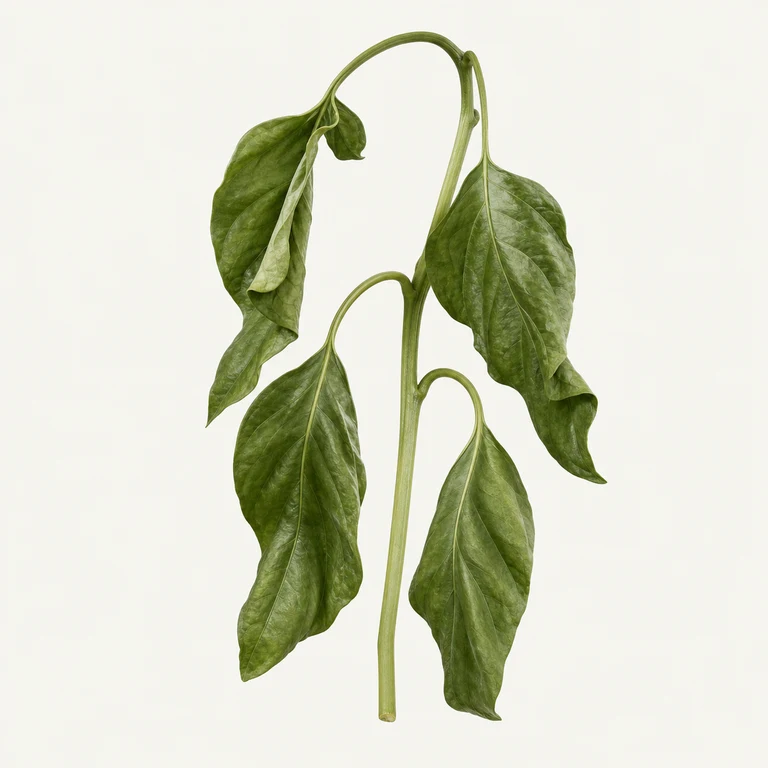
Drooping can mean too little or too much water. Check roots, soil moisture, and the pot.
Check causesBright indirect light supports growth; avoid prolonged harsh sun against the leaves.
Feel the upper 3–5 cm and use the pot weight as a second cue. Water after this zone dries instead of following a calendar.
This is a care estimate, not a fixed watering schedule. Check the root zone before deciding.
Use a mix that does not stay compacted after watering. If browning tips appear, compare soil moisture and drainage before changing water frequency.
Average room humidity is generally fine. Browning tips can have more than one cause, so review water, air, and build-up together.
Use a labelled fertilizer only when the plant is growing and not showing unresolved stress. More fertilizer is not a fix for brown tips.
Repot when roots, the mix, or drainage make watering observations unreliable. Keep a stable routine while the plant adjusts.
Trim fully damaged tips or leaves with clean tools, but first look for the condition that may be causing new damage.
Healthy offsets or plantlets may be suitable for propagation after manual review. Use clean tools and do not propagate visibly stressed material.
Aim for a stable indoor range around 18–29°C. Local conditions and seasonal changes still matter.
For cats: safe; for dogs: safe; for humans: unknown. Keep plant material out of reach of children and animals; consult a veterinary or medical professional if ingestion is suspected.
Check moisture below the surface, drainage, and recent room changes before increasing water or fertilizer. A single brown tip does not identify one cause.
Pause watering and inspect the mix and drainage. Compare the condition of several leaves rather than reacting to one damaged tip.
Spider plant is listed here as safe for cats and dogs. Individual animals can still react to chewing plant material, so contact a veterinary professional if you are concerned.
Compare the pattern with soil moisture, drainage, airflow, and recent changes before adjusting watering. Brown tips can have more than one cause.
Check the upper 3–5 cm and use pot weight as a second observation. Water after that zone dries, then let excess drain.
Use healthy offsets or plantlets and clean tools. Do not use propagation as a substitute for addressing stress on the parent plant.
These references support the safety, temperature, watering, pest, propagation, and warning-sign guidance in this profile.