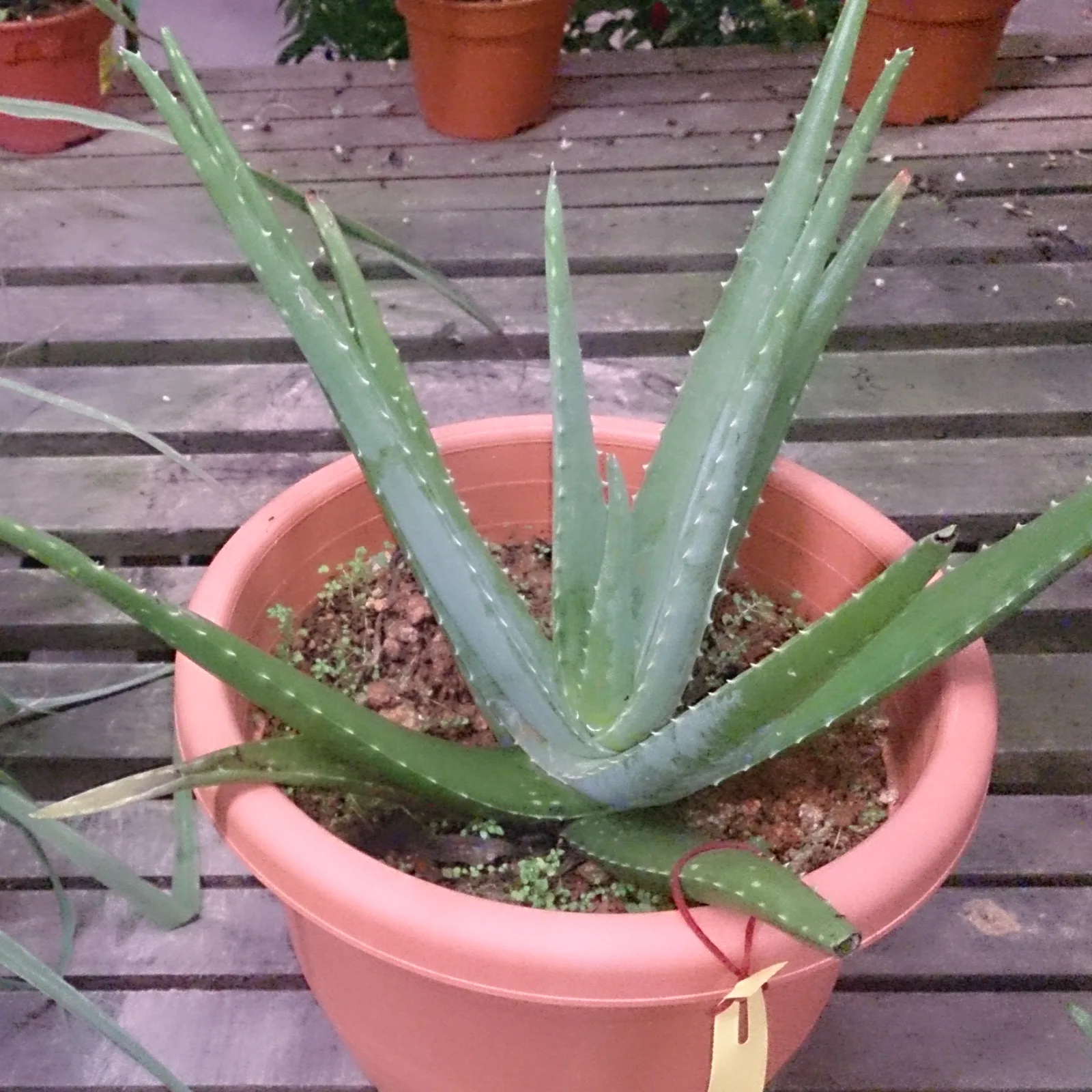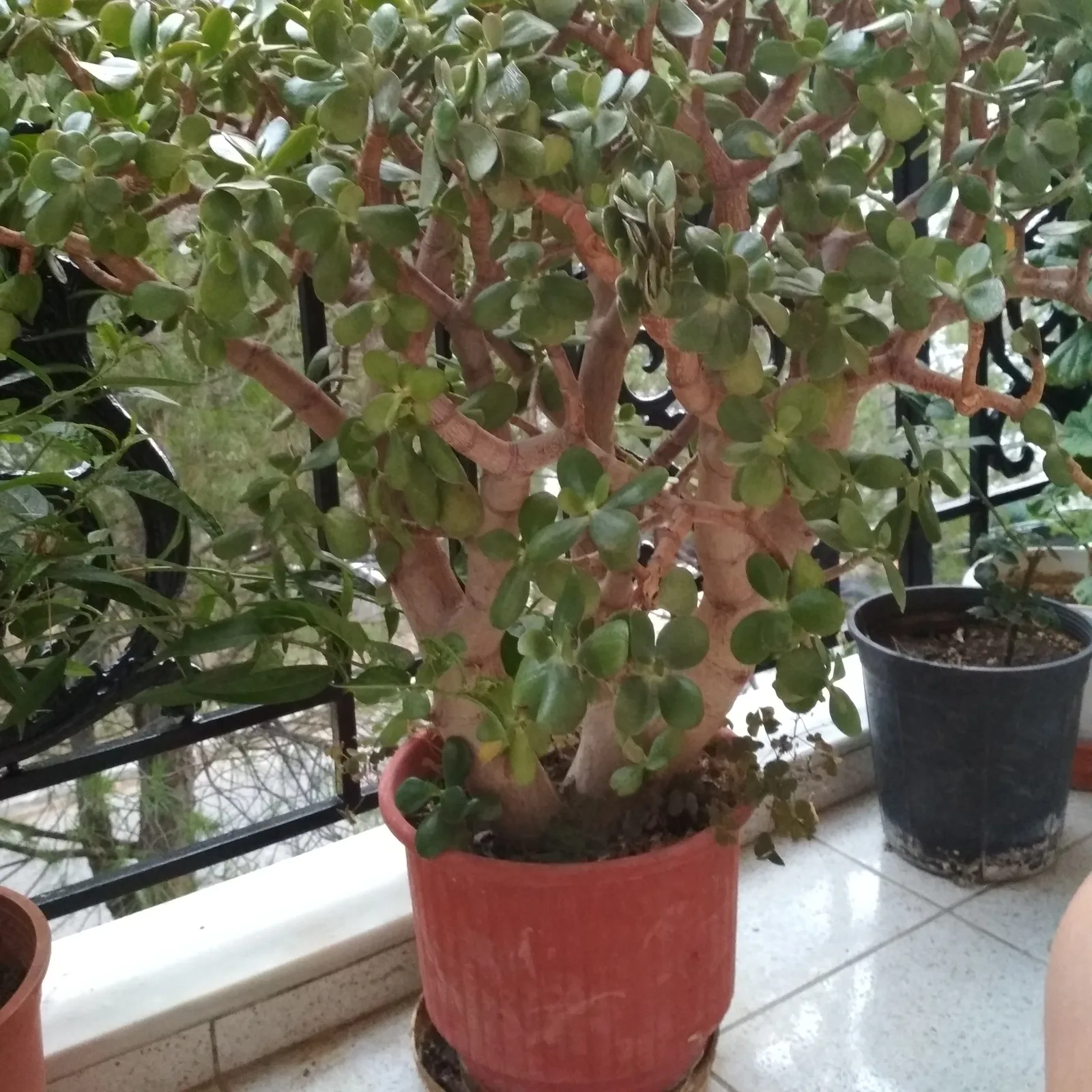
RootsCheck promptly
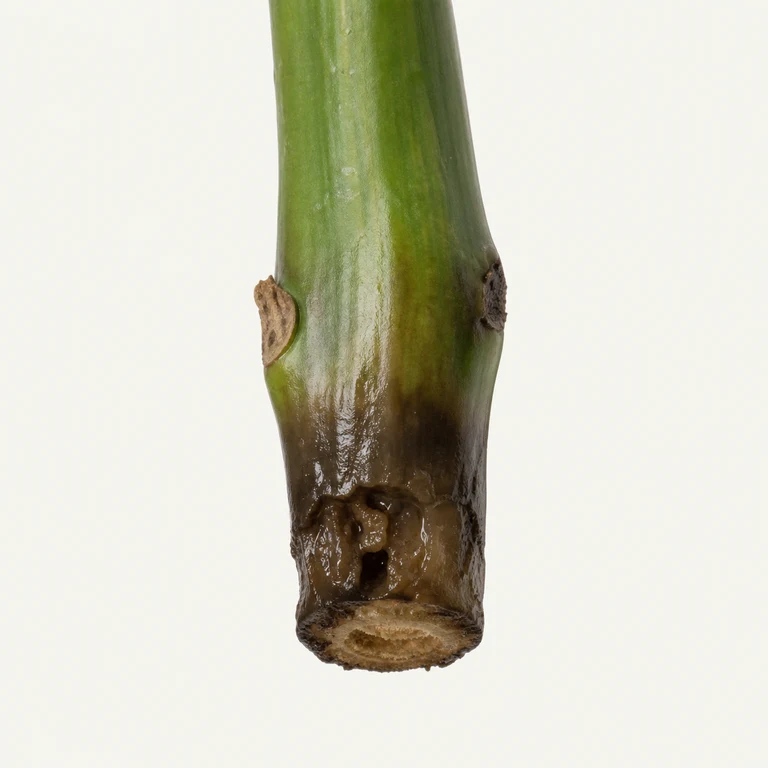
Soft or mushy stems
Often a sign of excess moisture or poor drainage. Check roots, soil, and pot conditions promptly.
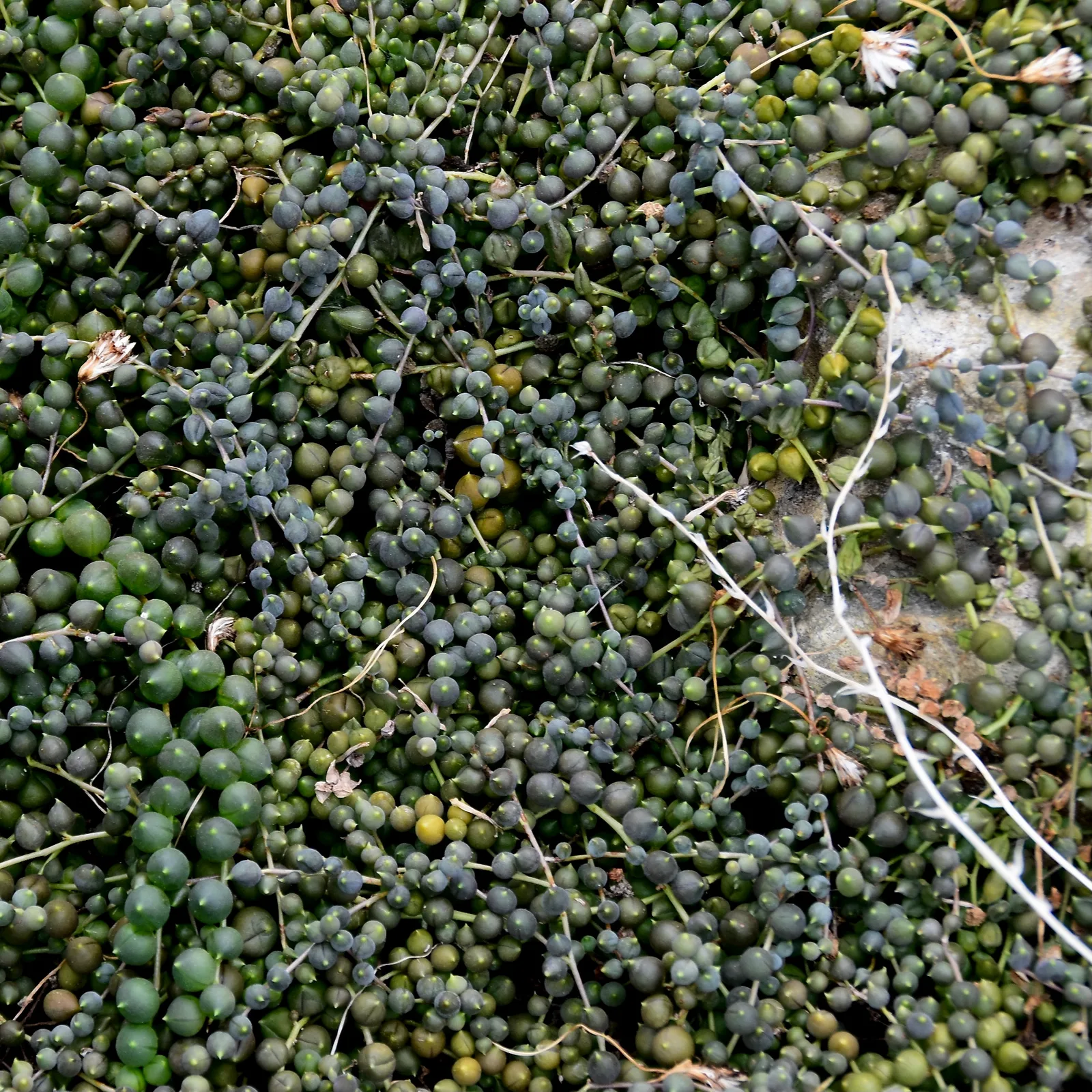
Check causesCurio rowleyanus
Also known as Bead plant, String of beads, Rosary vine
A trailing succulent profile for bright conditions, a freely draining root zone, and cautious interpretation of soft growth.
Often a sign of excess moisture or poor drainage. Check roots, soil, and pot conditions promptly.
Check causes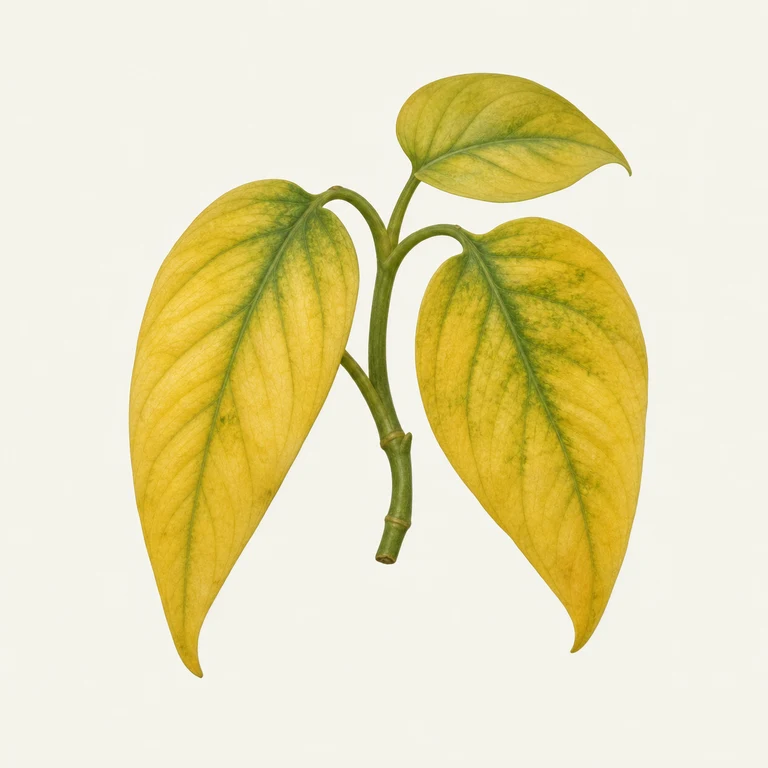
Yellow leaves signal stress, not a diagnosis. Check light, watering, pests, and recent changes.
Check causes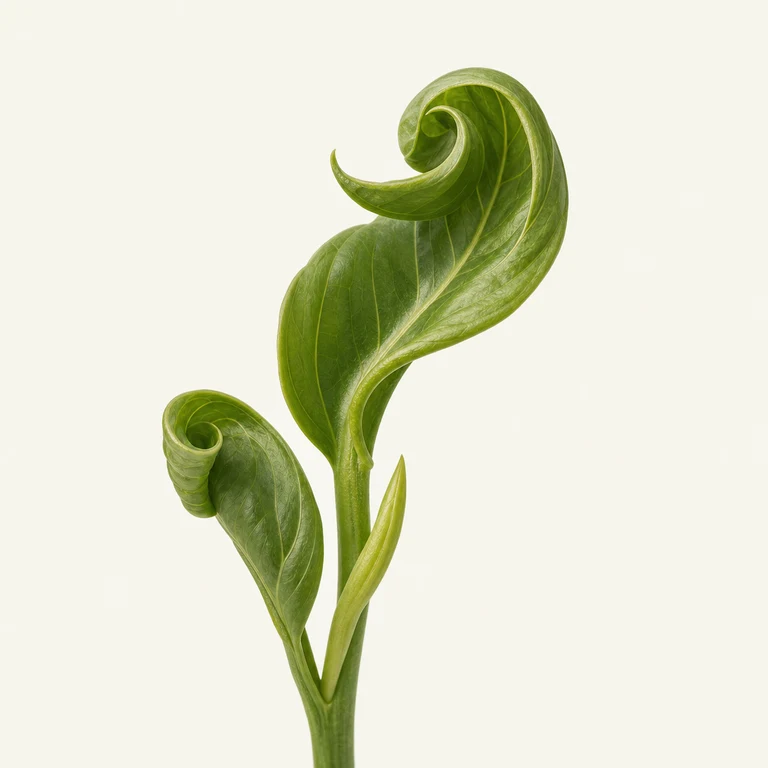
Curling can have multiple causes. Inspect new growth, leaf undersides, and moisture before treating.
Check causesUse bright conditions and introduce direct exposure gradually while observing the trailing growth.
Check below the surface and pause when the mix is wet or the pot remains heavy. Water only after confirming dryness at the root zone.
This is a care estimate, not a fixed watering schedule. Check the root zone before deciding.
Use a free-draining mix and a pot that does not conceal standing moisture.
Lower humidity is a starting condition, but soil evidence should still lead watering decisions.
Use a labelled product cautiously during stable active growth.
Repot only when drainage, mix, or roots give a clear reason to do so.
Remove soft or damaged trailing material with clean tools after checking the root zone.
Propagation details need expert review before publication.
Aim for a stable indoor range around 18–30°C. Local conditions and seasonal changes still matter.
For cats: toxic; for dogs: toxic; for humans: toxic. Keep plant material out of reach of children and animals; consult a veterinary or medical professional if ingestion is suspected.
Pause watering and inspect for root rot.
Check the mix below the surface before deciding whether to water.
No. Confirm the deeper root-zone condition before watering a trailing succulent.
No. North Carolina Extension identifies string of pearls as toxic to pets and humans.
Use a freely draining succulent mix; overwatering can result in root rot.
Use bright indirect light and introduce direct sun gradually.
These references support the safety, temperature, watering, pest, propagation, and warning-sign guidance in this profile.