Light
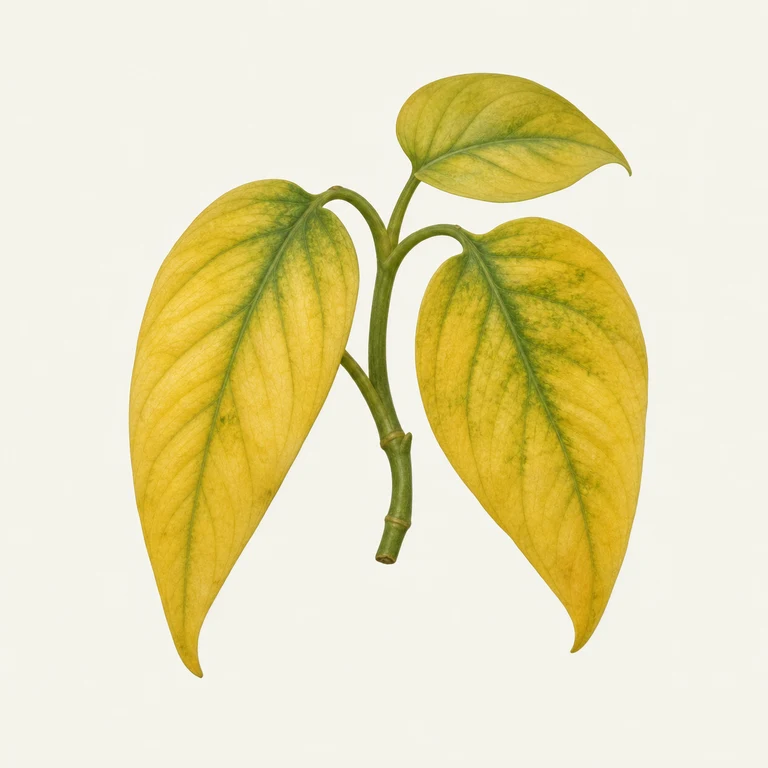
Yellow leaves
Yellow leaves signal stress, not a diagnosis. Check light, watering, pests, and recent changes.
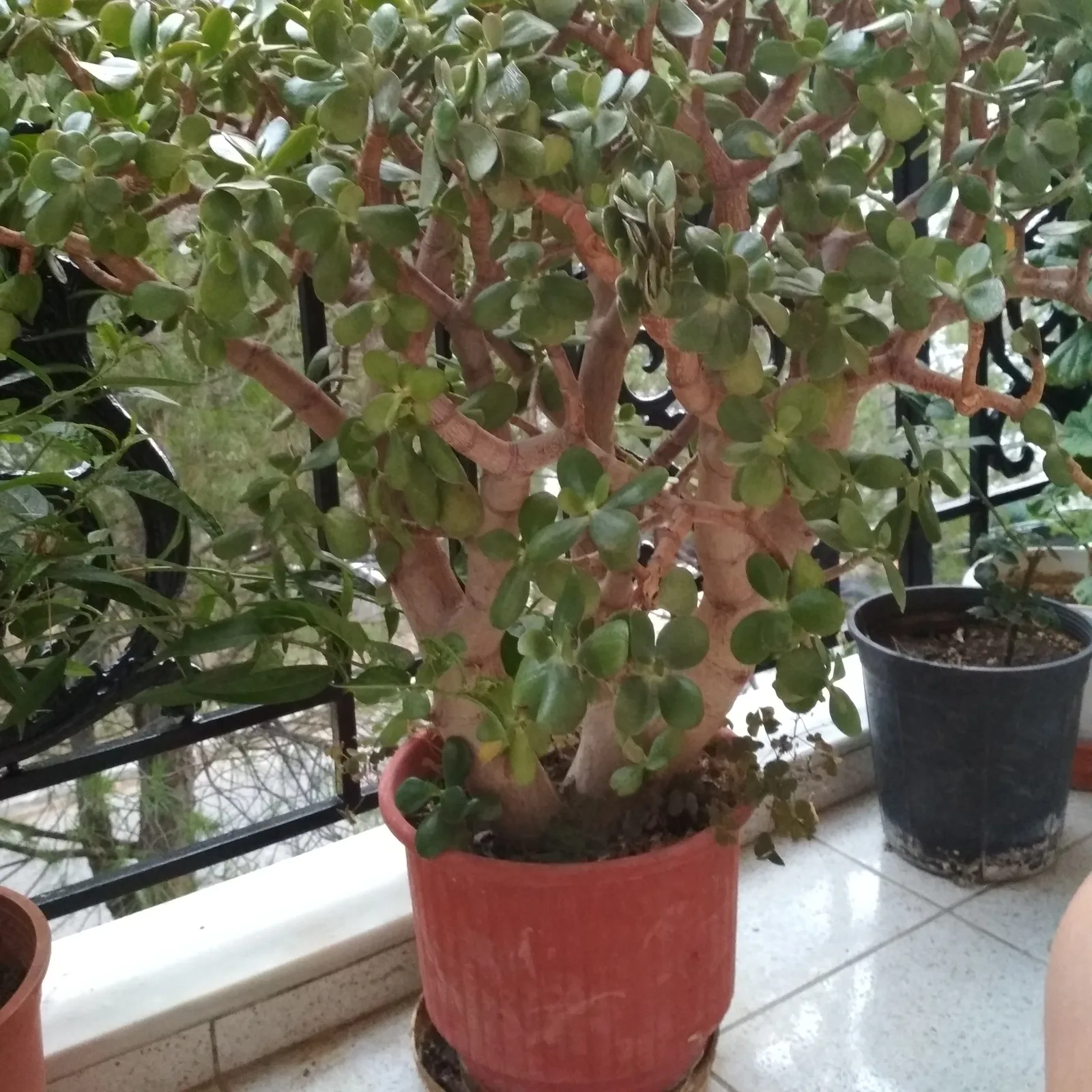
Check causesCrassula ovata
Also known as Money plant, Lucky plant, Jade tree
A compact succulent with fleshy leaves that benefits from bright conditions and careful root-zone checks.
Yellow leaves signal stress, not a diagnosis. Check light, watering, pests, and recent changes.
Check causes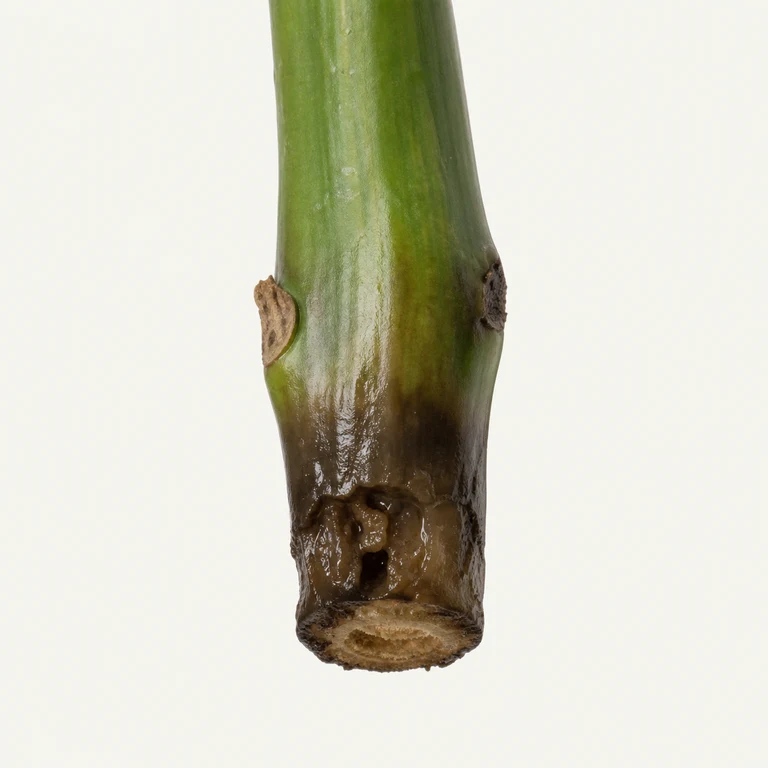
Often a sign of excess moisture or poor drainage. Check roots, soil, and pot conditions promptly.
Check causes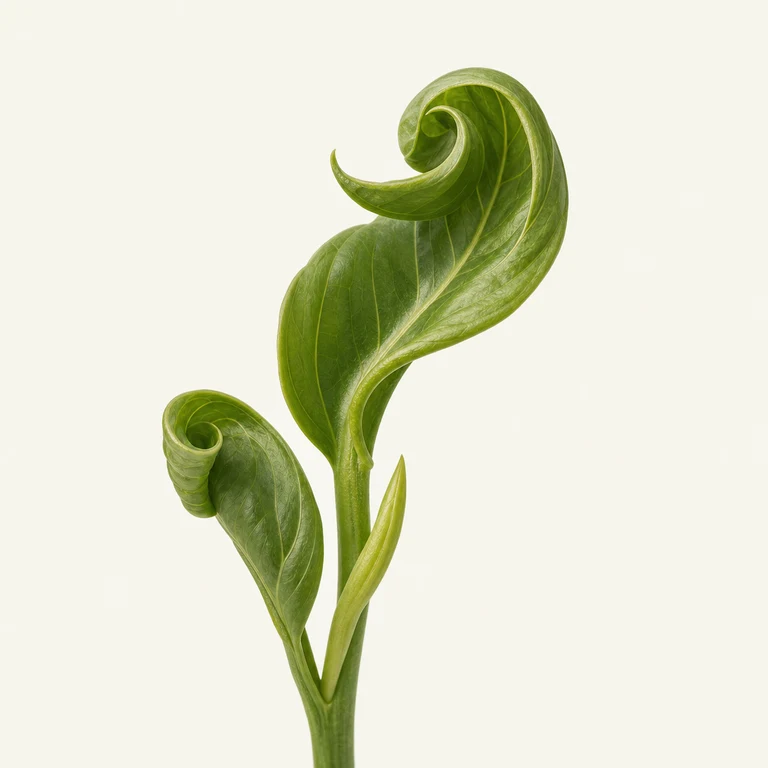
Curling can have multiple causes. Inspect new growth, leaf undersides, and moisture before treating.
Check causesProvide bright light and acclimatise the plant gradually to any increase in direct sun. Avoid changing several care conditions at once.
Let the potting mix dry between waterings, then let all excess drain. Base the next watering on the mix, not a fixed number of days.
This is a care estimate, not a fixed watering schedule. Check the root zone before deciding.
Use a free-draining succulent mix and a pot with drainage so that the root zone does not stay wet.
Ordinary lower-humidity rooms may be workable; soil condition remains more useful than room humidity for a watering decision.
Feed sparingly during active growth, following the product label. Do not fertilize as a response to unexplained leaf changes.
Repot when roots, drainage, or mix breakdown justify it. Keep the new container proportionate so the mix can still dry between waterings.
Use clean tools for damaged material and pause to inspect soft or discolored growth before removing more tissue.
Use healthy, firm stem or leaf material with clean tools. Keep propagation material separate from plants with unresolved rot or pests.
Aim for a stable indoor range around 18–30°C. Local conditions and seasonal changes still matter.
For cats: toxic; for dogs: toxic; for humans: toxic. Keep plant material out of reach of children and animals; consult a veterinary or medical professional if ingestion is suspected.
Pause watering and inspect drainage and roots before pruning or feeding the plant.
Return to bright light without abrupt exposure and acclimatise any increase in direct sun gradually.
Warmth is context, not a schedule. Confirm the root-zone condition before deciding whether water is appropriate.
Inspect the potting mix and drainage before watering again. Soft growth can accompany a root zone that has remained wet for too long.
No. ASPCA lists jade plant as toxic to cats and dogs. Put it out of reach and seek veterinary advice if a pet may have eaten it.
Repot when drainage, the condition of the mix, or roots make watering difficult to manage. Choose a proportionate pot so the mix can still dry between waterings.
These references support the safety, temperature, watering, pest, propagation, and warning-sign guidance in this profile.