Light
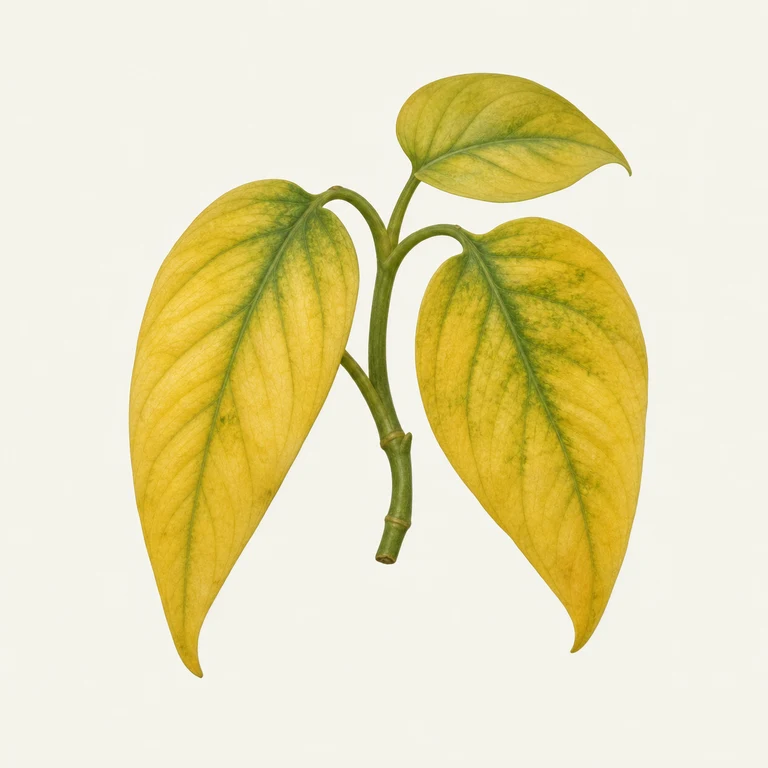
Yellow leaves
Yellow leaves signal stress, not a diagnosis. Check light, watering, pests, and recent changes.
Check causesAloe vera
Also known as Barbados aloe, Medicinal aloe, True aloe
A succulent houseplant that calls for bright conditions, a free-draining root zone, and observation-led watering.
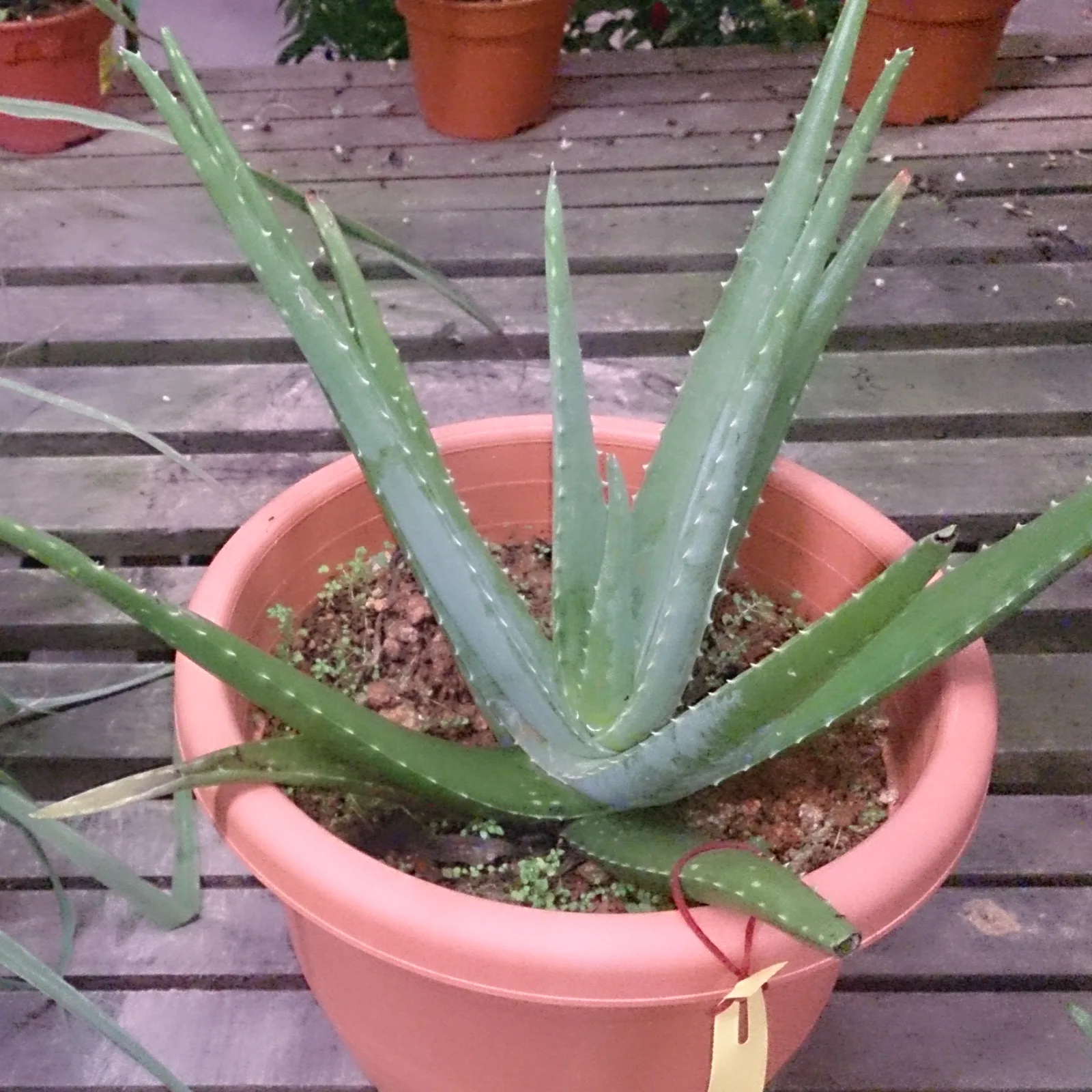
Provide bright light and introduce stronger direct exposure gradually. Watch for a leaf response before extending its time in direct sun.
Let the potting mix dry between waterings, then water thoroughly and allow all excess to drain. Cooler or lower-light conditions usually slow drying.
This is a care estimate, not a fixed watering schedule. Check the root zone before deciding.
Use a fast-draining succulent or cactus mix and a pot with drainage; roots should not remain in standing water.
Normal, lower indoor humidity is suitable. Do not use dry room air alone as a reason to water without checking the mix.
Use fertilizer sparingly during active growth and according to the product label. Correct root-zone problems before feeding.
Repot when the mix no longer drains freely or the plant has outgrown its container; choose only a modestly larger pot.
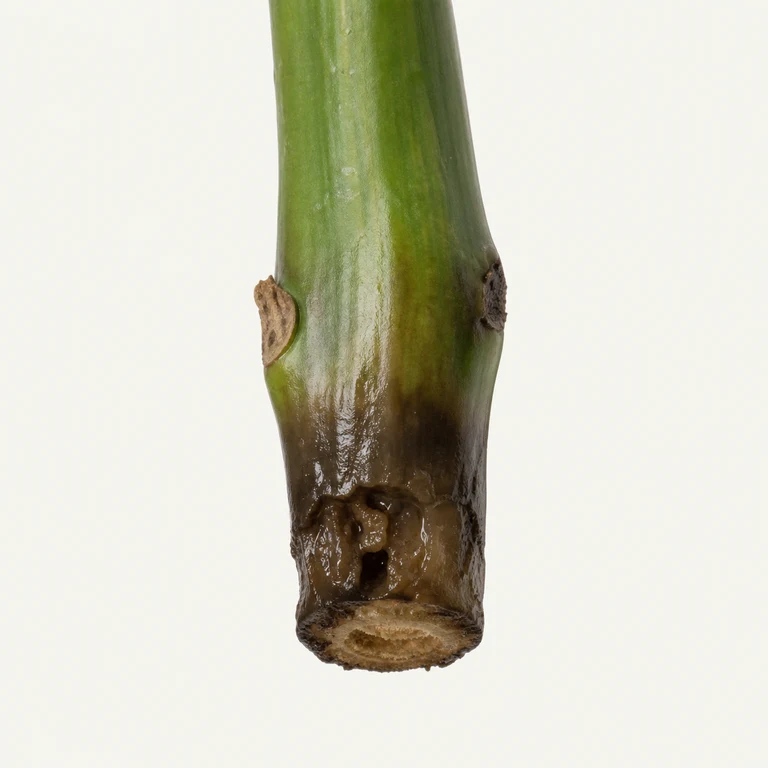
Remove clearly damaged leaves with clean tools after checking whether softness or discoloration points to a root-zone issue.
Propagate only from healthy, firm material with clean tools; do not use soft or discolored tissue.
Aim for a stable indoor range around 18–30°C. Local conditions and seasonal changes still matter.
For cats: toxic; for dogs: toxic; for humans: toxic. Keep plant material out of reach of children and animals; consult a veterinary or medical professional if ingestion is suspected.
Pause watering and inspect drainage and the root zone before removing leaves or applying fertilizer.
Move back to a gentler bright position and acclimatise exposure gradually rather than extending direct sun immediately.
No. Check below the surface before watering, because the visible top layer is not enough to describe the root zone.
Check for prolonged wetness and poor drainage first. Soft or yellowing foliage calls for an inspection of the root zone rather than more water.
No. ASPCA lists aloe as toxic to cats and dogs. Keep the plant and fallen leaves out of pets' reach.
Repot when the plant has outgrown its container or the mix no longer drains freely. Use a pot with drainage and avoid a large jump in size.
These references support the safety, temperature, watering, pest, propagation, and warning-sign guidance in this profile.