Light
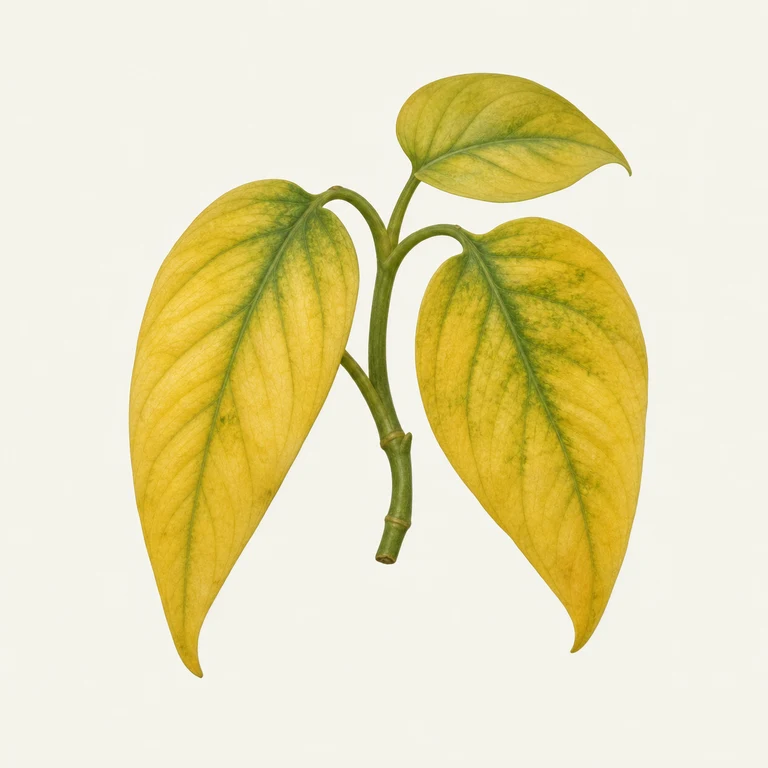
Yellow leaves
Yellow leaves signal stress, not a diagnosis. Check light, watering, pests, and recent changes.
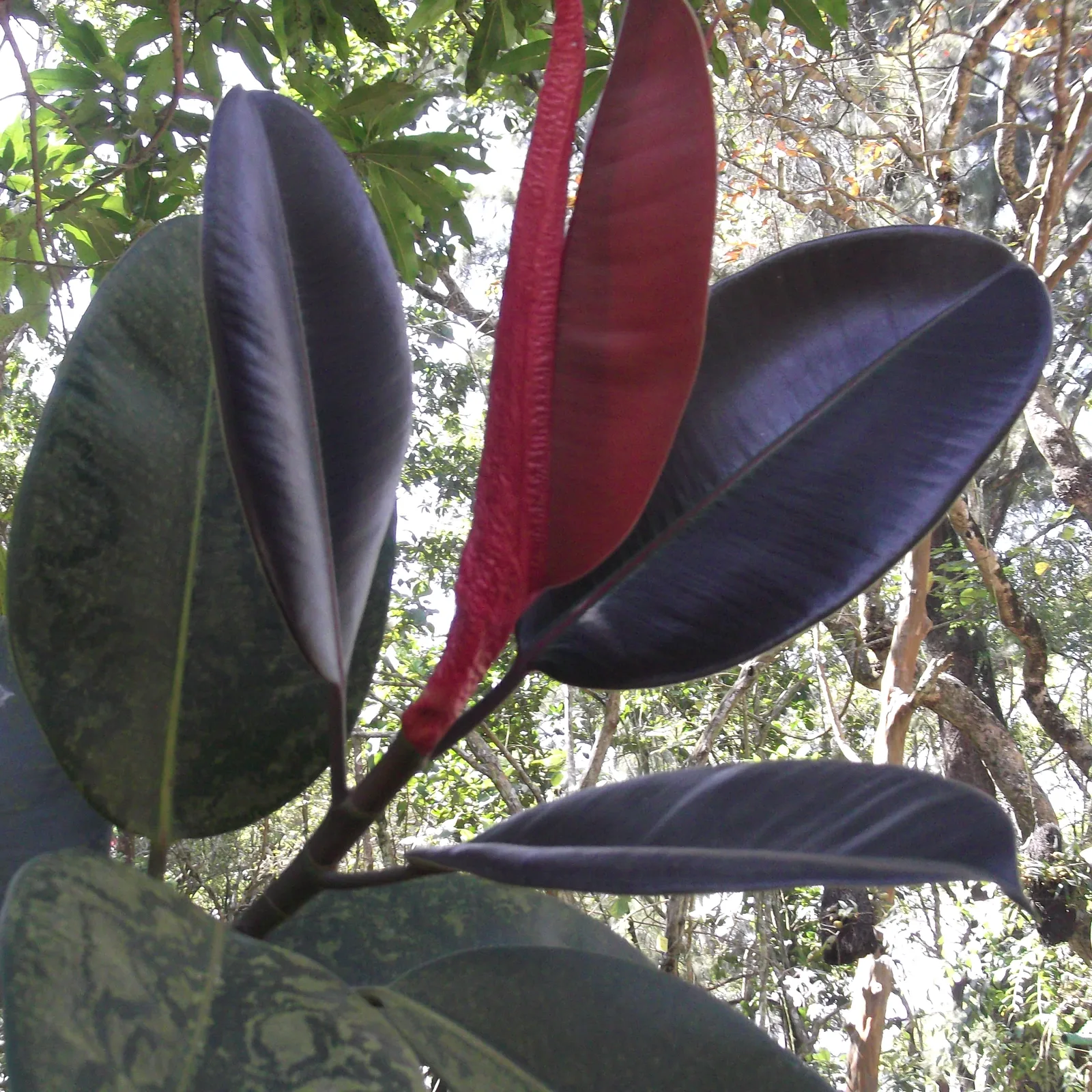
Check causesFicus elastica
Also known as Indian rubber plant, Rubber tree
A bold, broad-leaved houseplant suited to bright indirect light and gradual changes in indoor conditions.
Yellow leaves signal stress, not a diagnosis. Check light, watering, pests, and recent changes.
Check causes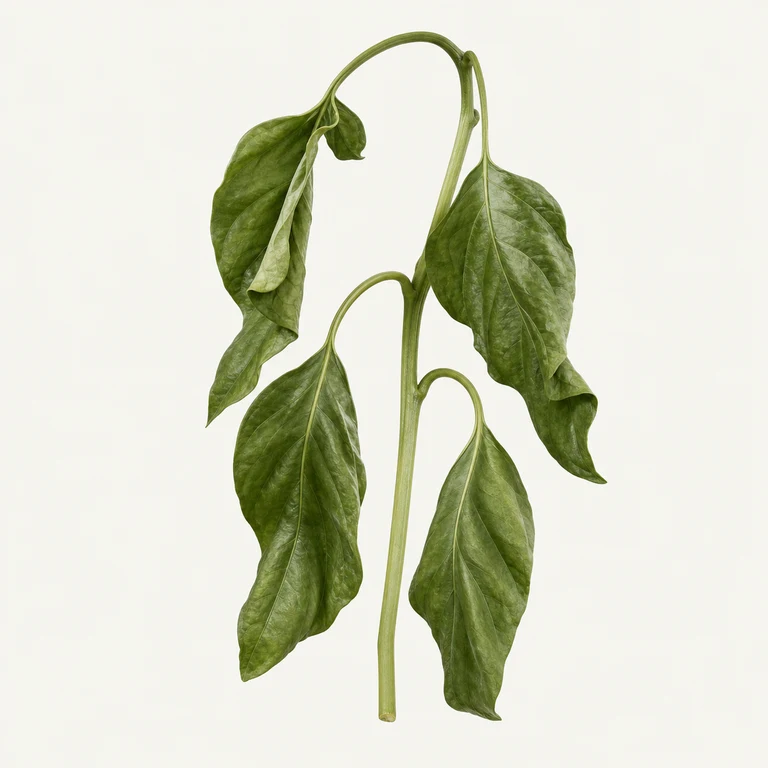
Drooping can mean too little or too much water. Check roots, soil moisture, and the pot.
Check causes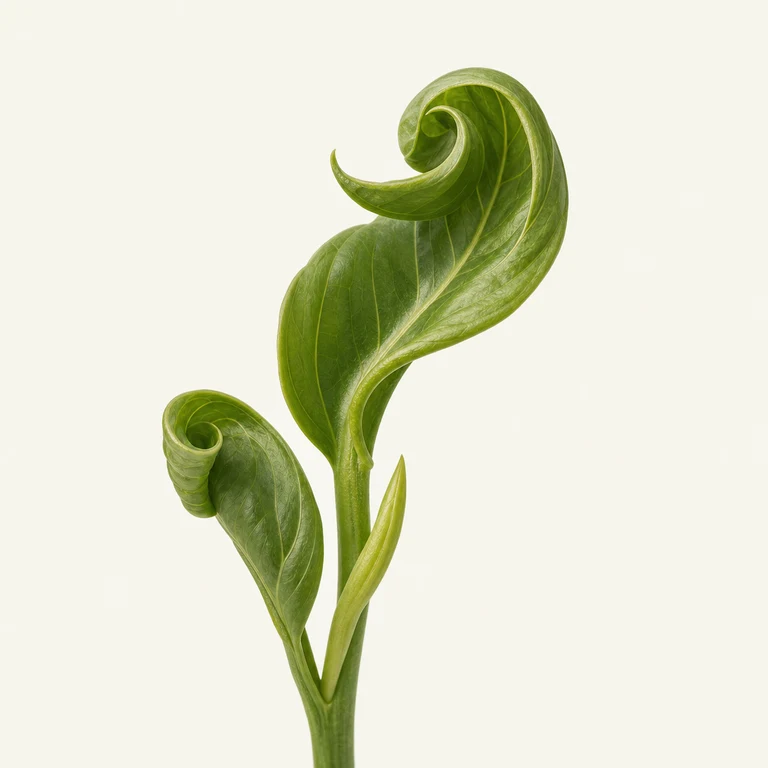
Curling can have multiple causes. Inspect new growth, leaf undersides, and moisture before treating.
Check causesGive it bright, indirect light or partial shade. Protect leaves from strong afternoon sun and make location changes gradually.
Water regularly during growth, but do not leave the root zone waterlogged. Reduce watering as growth slows in cooler, lower-light conditions.
This is a care estimate, not a fixed watering schedule. Check the root zone before deciding.
Use a potting mix that drains well and a container with drainage. Persistent wetness warrants checking both the mix and the pot.
Average indoor humidity is a reasonable starting point. Avoid cold drafts and abrupt temperature changes, which can contribute to leaf drop.
Follow a labelled fertilizer only when the plant is actively growing and not showing unresolved stress.
Use root crowding, mix condition, or unstable watering behaviour as reasons to evaluate repotting rather than a fixed time interval.
Use clean tools for damaged material and avoid treating pruning as a substitute for checking light or root-zone conditions.
Propagate only from healthy material with clean tools; keep newly propagated material separate from plants with pest or root problems.
Aim for a stable indoor range around 18–29°C. Local conditions and seasonal changes still matter.
For cats: toxic; for dogs: toxic; for humans: toxic. Keep plant material out of reach of children and animals; consult a veterinary or medical professional if ingestion is suspected.
Review recent temperature changes, drafts, and watering before moving or feeding the plant.
Isolate the plant for inspection and check for mealybugs, scale, or spider mites before choosing a treatment.
Make location changes gradually and observe the response. A sudden change can make it harder to identify what affected the foliage.
Check for overwatering, cold conditions, and drafts first. North Carolina Extension identifies each as a potential contributor to leaf drop.
Yes. Pet Poison Helpline identifies Ficus elastica as irritating to pets if eaten. Keep it out of reach of pets and children.
North Carolina Extension lists mealybugs, scale, and spider mites. Check leaves and stems closely before treating a suspected pest problem.
These references support the safety, temperature, watering, pest, propagation, and warning-sign guidance in this profile.