Watering
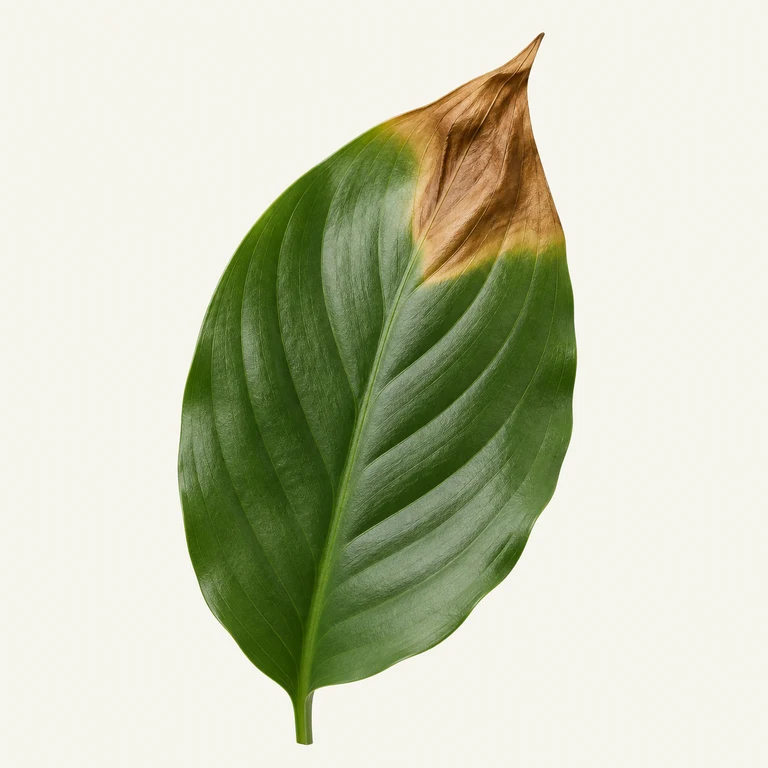
Brown tips
Brown tips show a pattern of damage. Check moisture, humidity, salts, and recent fertiliser use.
Check causesChamaedorea elegans
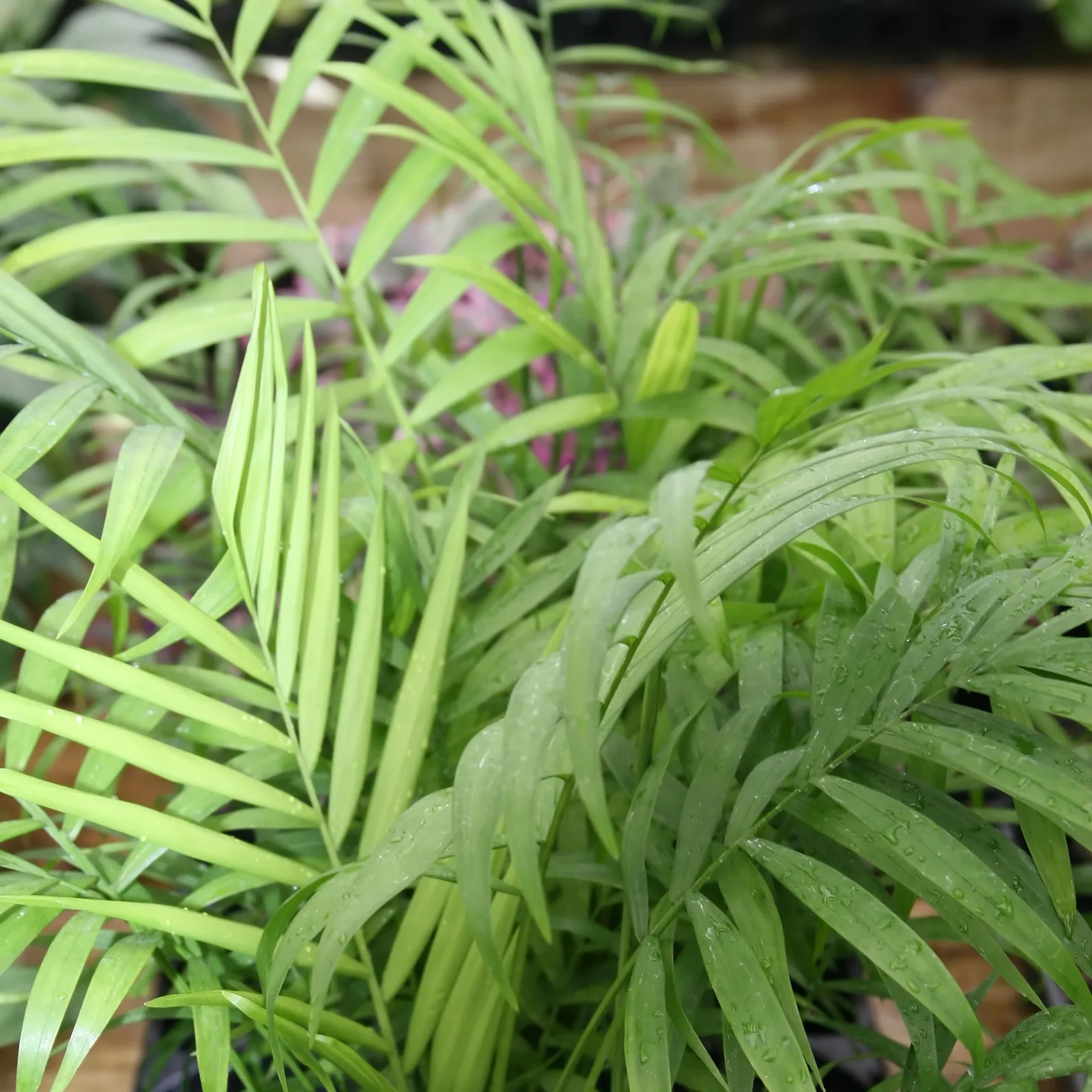
Also known as Bamboo palm, Good luck palm, Neanthe bella palm
A compact palm profile for indoor rooms where light, soil moisture, and foliage changes are evaluated together.
Brown tips show a pattern of damage. Check moisture, humidity, salts, and recent fertiliser use.
Check causes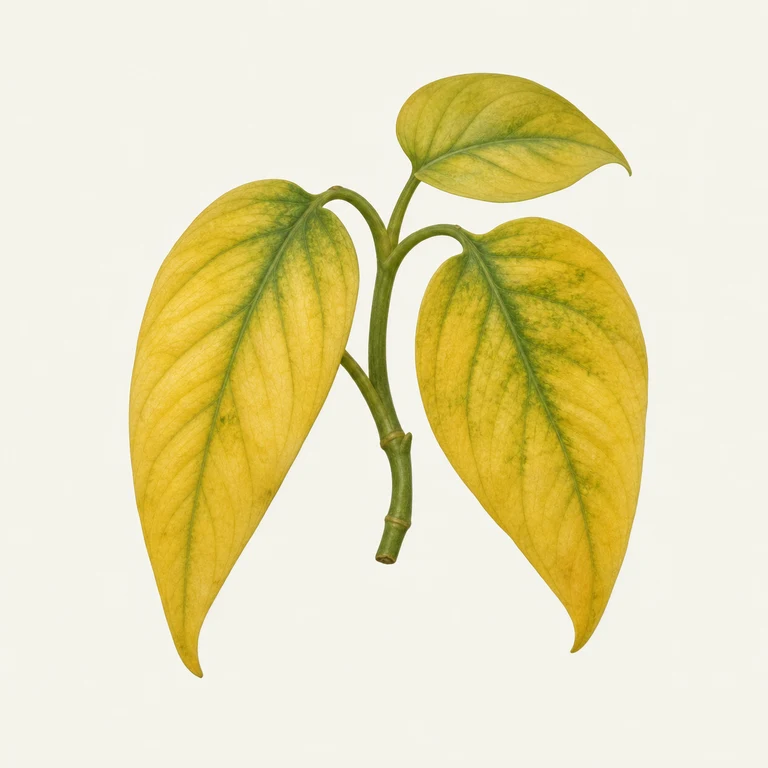
Yellow leaves signal stress, not a diagnosis. Check light, watering, pests, and recent changes.
Check causes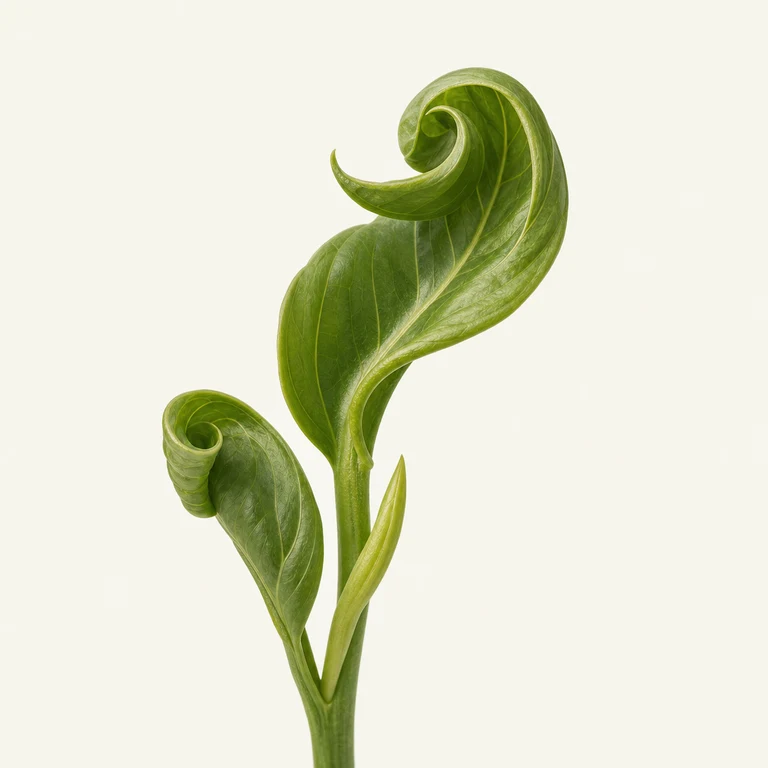
Curling can have multiple causes. Inspect new growth, leaf undersides, and moisture before treating.
Check causesUse lower to medium indirect light as a starting point and avoid abrupt environmental changes.
Check the root zone rather than watering in response to a date. Let excess drain and re-check if soil remains wet.
This is a care estimate, not a fixed watering schedule. Check the root zone before deciding.
Use a potting mix and container that make deeper moisture and drainage observable.
Average humidity may be workable; do not assume a brown tip has only one explanation.
Use a labelled product only while the care context is stable.
Repot for a clear root, soil, or drainage reason, not simply because growth is slow.
Remove damaged fronds with clean tools while observing the condition of new growth.
Use only healthy, established palm material for propagation; do not divide a stressed plant.
Aim for a stable indoor range around 18–28°C. Local conditions and seasonal changes still matter.
For cats: safe; for dogs: safe; for humans: irritating. Keep plant material out of reach of children and animals; consult a veterinary or medical professional if ingestion is suspected.
Pause watering and check drainage because overwatering can be a problem.
Inspect for spider mites or mealybugs before choosing a treatment.
No. Check the light position and root-zone conditions before changing feeding.
Yes. ASPCA lists parlor palm as non-toxic to cats and dogs.
Check soil moisture, light, airflow, and pest signs together; a brown tip does not identify a single cause.
North Carolina Extension lists mealybugs and spider mites; inspect foliage before treating.
These references support the safety, temperature, watering, pest, propagation, and warning-sign guidance in this profile.