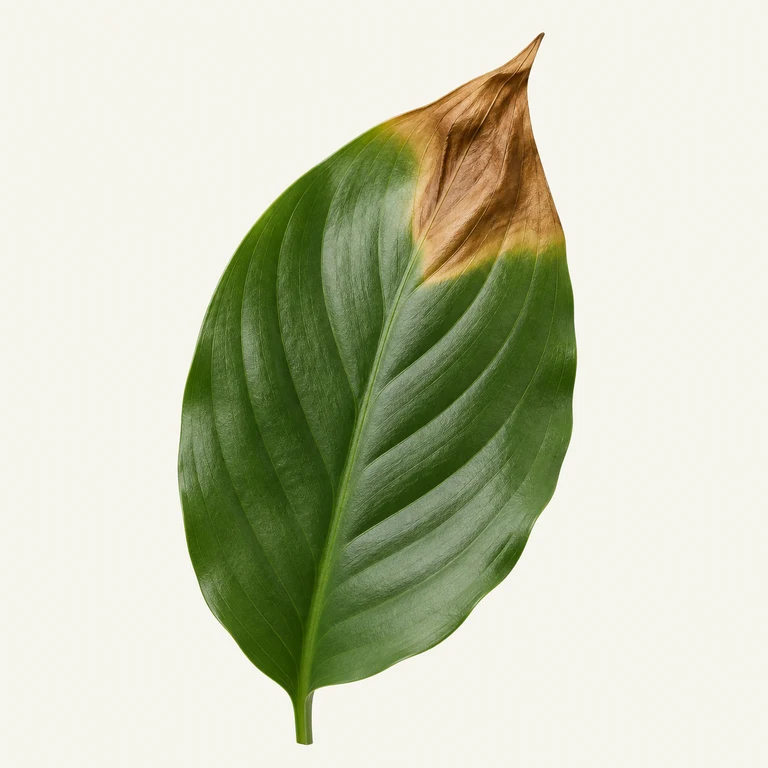
Watering
Brown tips
Brown tips show a pattern of damage. Check moisture, humidity, salts, and recent fertiliser use.
Check causesDracaena spp.
Also known as Dragon tree
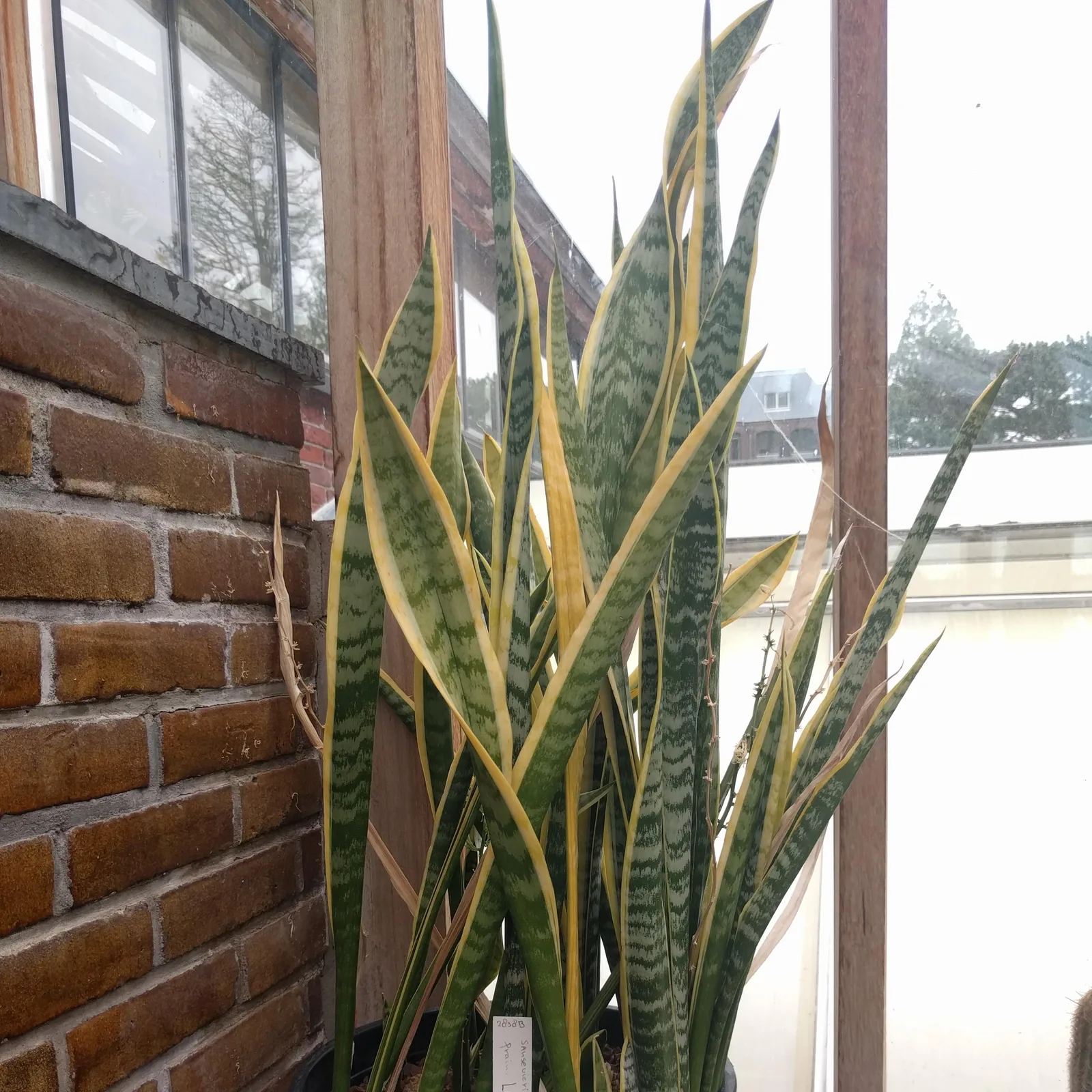
An upright indoor foliage profile for bright-to-medium indirect light, drainage checks, and gradual care changes.
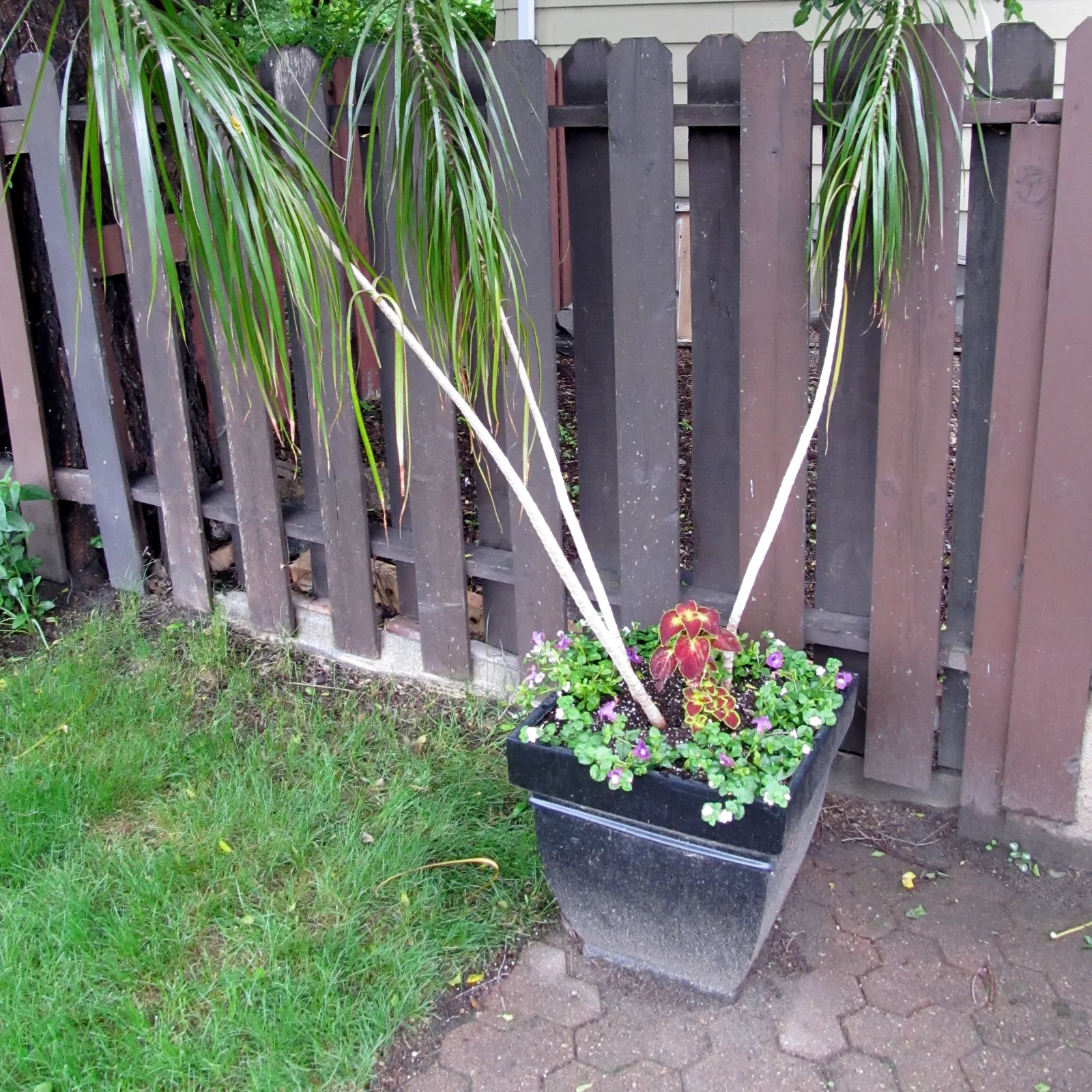
Brown tips show a pattern of damage. Check moisture, humidity, salts, and recent fertiliser use.
Check causes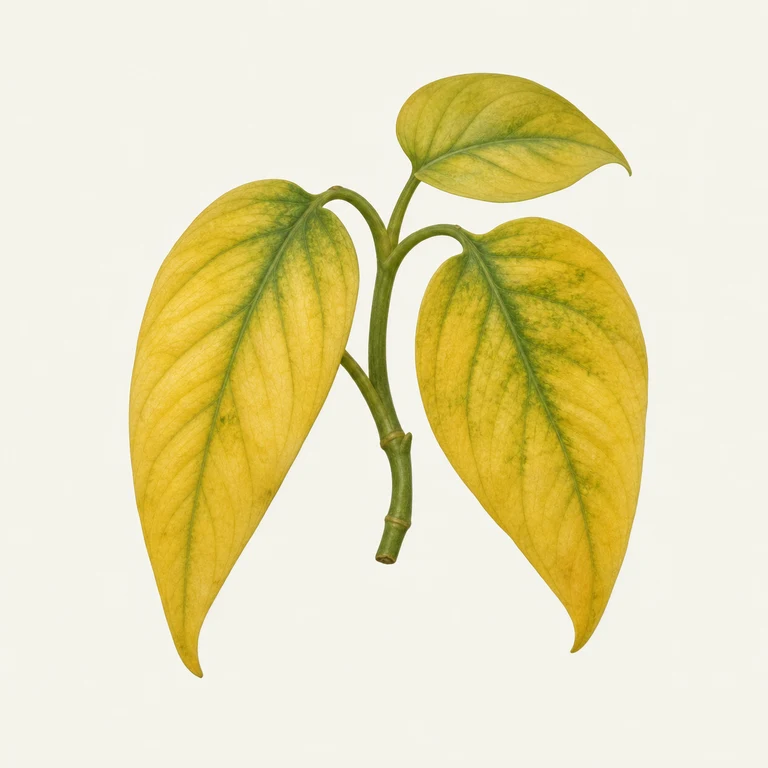
Yellow leaves signal stress, not a diagnosis. Check light, watering, pests, and recent changes.
Check causes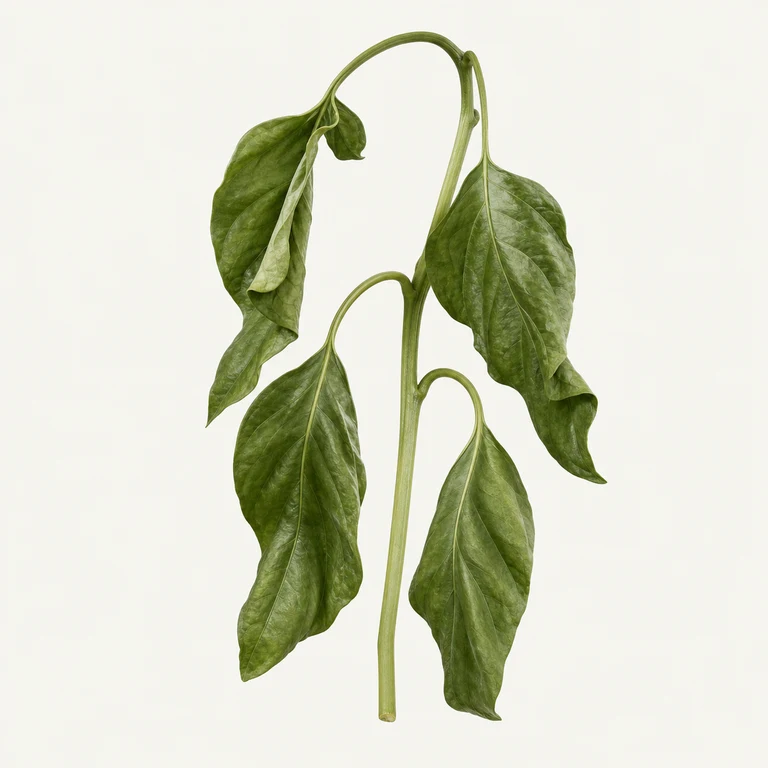
Drooping can mean too little or too much water. Check roots, soil moisture, and the pot.
Check causesKeep light indirect and stable; avoid abrupt moves into intense direct sun.
Use the deeper mix and pot weight as clues before watering. Confirm drainage when a pot remains heavy.
This is a care estimate, not a fixed watering schedule. Check the root zone before deciding.
Choose a draining mix that remains easy to inspect beneath the surface.
Average humidity is a starting point; assess drafts and recent changes with soil and light context.
Feed only during stable growth and according to the product label.
Evaluate roots, mix, and drainage before selecting a new container size.
Remove damaged leaves with clean tools after checking the cause of the change.
Use species-appropriate guidance and healthy material for propagation.
Aim for a stable indoor range around 18–29°C. Local conditions and seasonal changes still matter.
For cats: toxic; for dogs: toxic; for humans: unknown. Keep plant material out of reach of children and animals; consult a veterinary or medical professional if ingestion is suspected.
Compare moisture, light, airflow, and recent changes before treating.
Pause watering and inspect drainage.
No. Treat them as a signal to compare root-zone moisture, light, airflow, and recent changes.
No. ASPCA lists straight-margined dracaena as toxic to cats and dogs.
Check the deeper mix and pot weight first; a heavy pot is a reason to pause and inspect drainage.
Keep light indirect and stable; avoid abrupt moves into intense direct sun.
These references support the safety, temperature, watering, pest, propagation, and warning-sign guidance in this profile.
.jpg)