Light
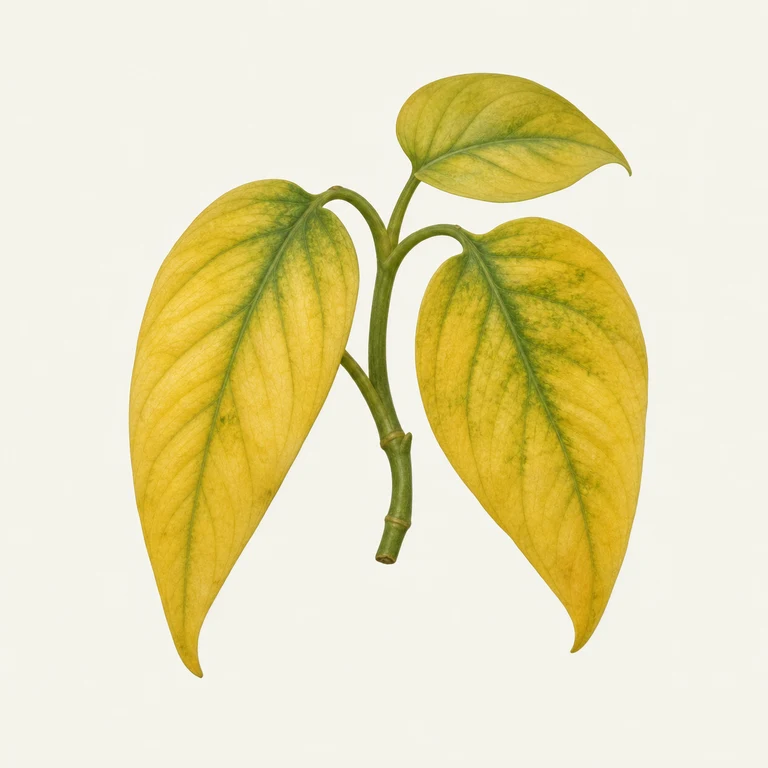
Yellow leaves
Yellow leaves signal stress, not a diagnosis. Check light, watering, pests, and recent changes.
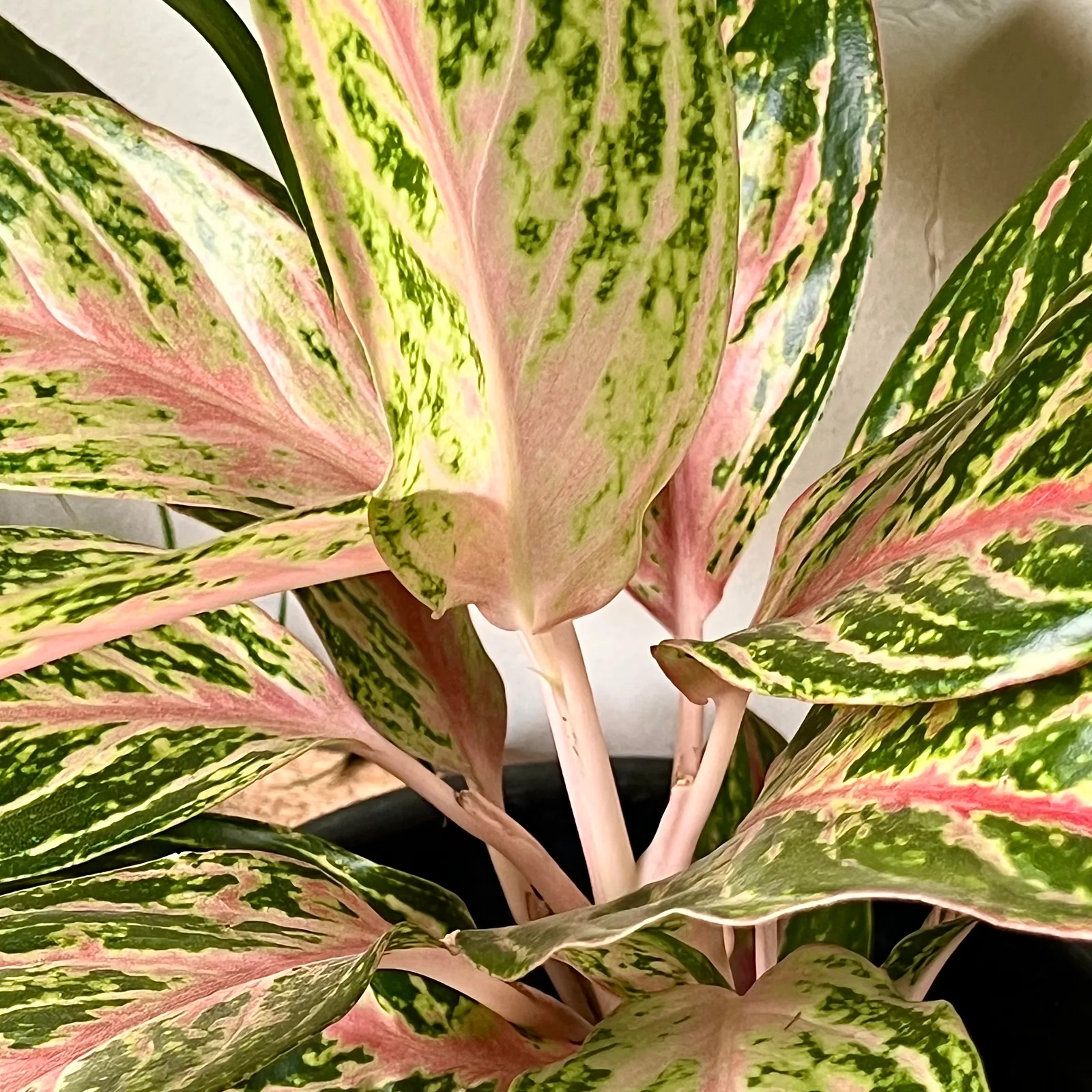
Check causesAglaonema spp.
Also known as Golden evergreen, Philippine evergreen
A leafy indoor plant profile for lower to medium indirect light and observation-led adjustments to its root zone.
Yellow leaves signal stress, not a diagnosis. Check light, watering, pests, and recent changes.
Check causes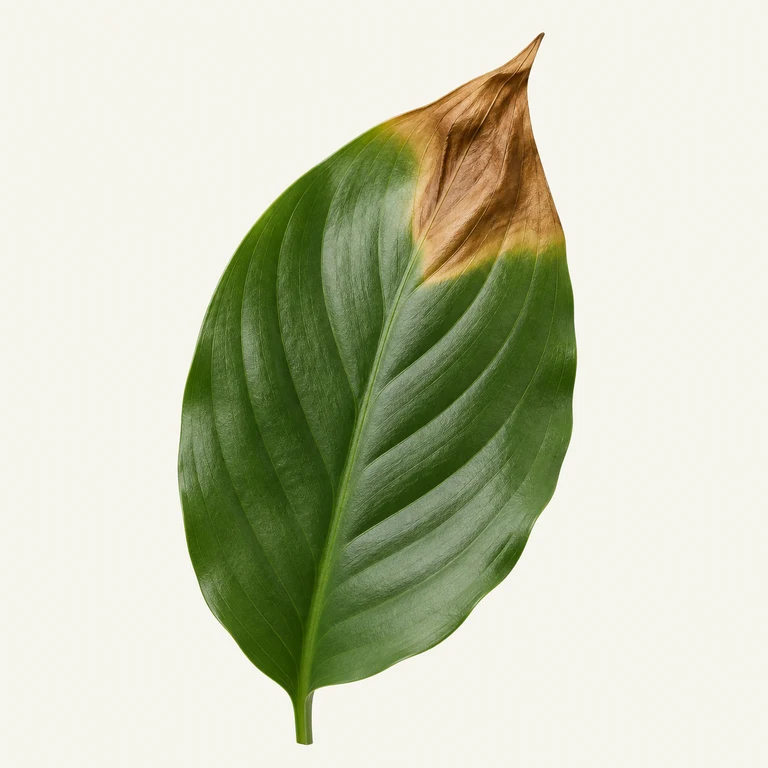
Brown tips show a pattern of damage. Check moisture, humidity, salts, and recent fertiliser use.
Check causes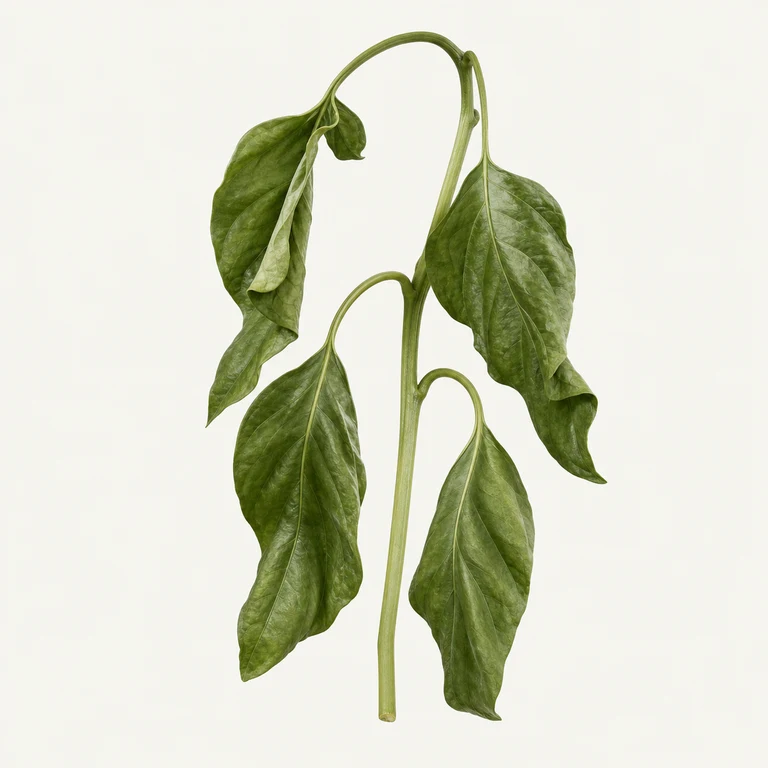
Drooping can mean too little or too much water. Check roots, soil moisture, and the pot.
Check causesLower to medium indirect light can be a starting fit; make location changes gradually and observe the response.
Check below the surface before watering and let excess drain. A droop or yellow leaf alone is not enough evidence to add water.
This is a care estimate, not a fixed watering schedule. Check the root zone before deciding.
Use a mix that drains and gives a clear deeper-moisture signal instead of relying on the top layer.
Average indoor humidity can be workable; compare airflow, soil, and light if foliage changes.
Use a labelled product only during stable active growth, not as the first response to a problem.
Repot when roots, mix, or drainage make moisture observations unreliable rather than on a calendar.
Use clean tools for damaged leaves after checking whether a broader care change is involved.
Propagation details need expert review for this profile.
Aim for a stable indoor range around 18–29°C. Local conditions and seasonal changes still matter.
For cats: toxic; for dogs: toxic; for humans: toxic. Keep plant material out of reach of children and animals; consult a veterinary or medical professional if ingestion is suspected.
Pause watering and inspect drainage before making other changes.
Check humidity, drafts, and root-zone moisture together.
No. Confirm the deeper root-zone condition before deciding whether water is appropriate.
No. ASPCA lists Chinese evergreen as toxic to cats and dogs.
Check dry air, drafts, root-zone moisture, and pests before changing multiple care conditions.
It can suit low-light indoor positions, but drying will slow, so adjust watering based on the mix.
These references support the safety, temperature, watering, pest, propagation, and warning-sign guidance in this profile.