Light
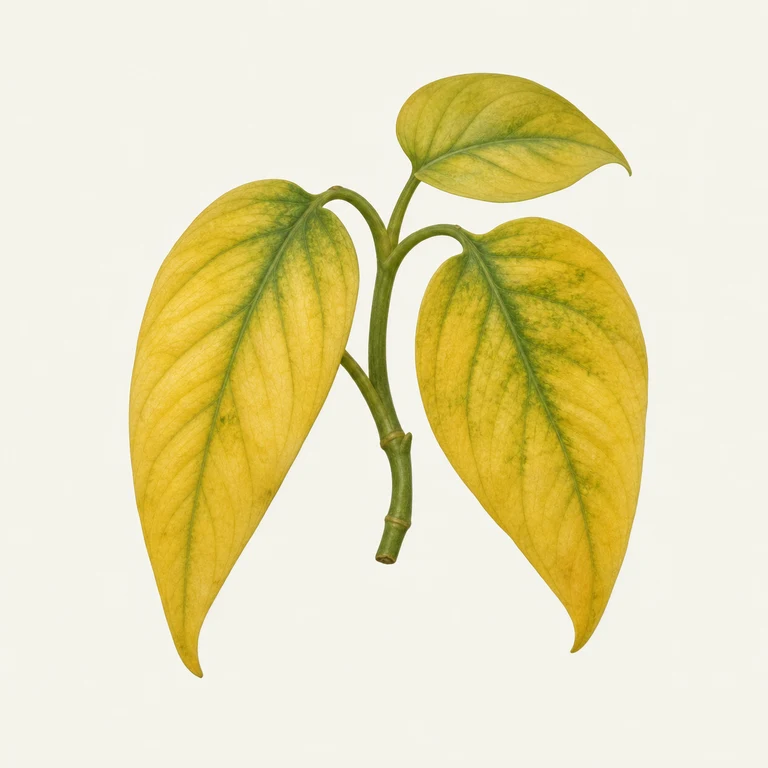
Yellow leaves
Yellow leaves signal stress, not a diagnosis. Check light, watering, pests, and recent changes.
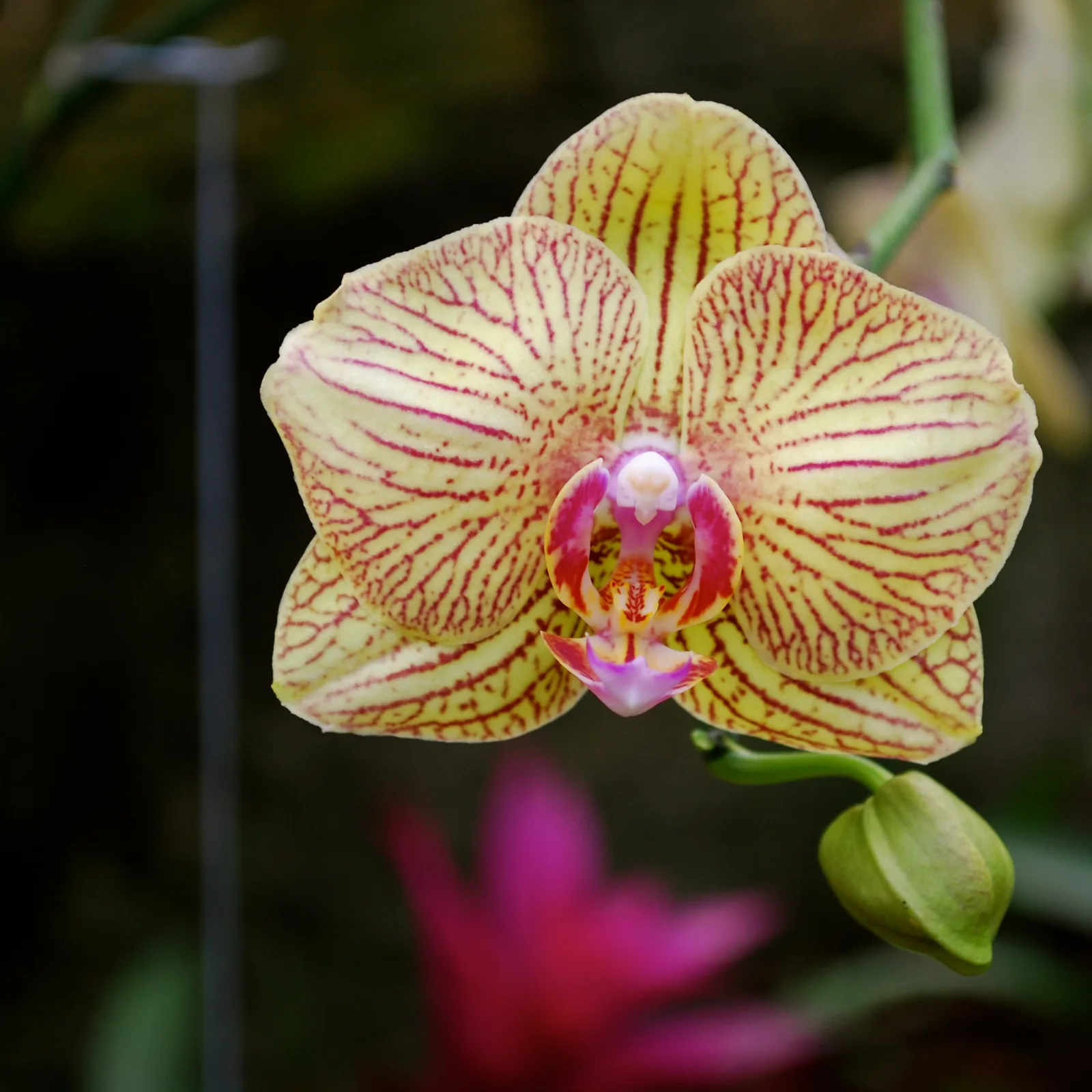
Check causesPhalaenopsis spp.
Also known as Moth orchid, Moon orchid
An orchid profile focused on visible root-zone conditions, indirect light, and cautious responses to foliage changes.
Yellow leaves signal stress, not a diagnosis. Check light, watering, pests, and recent changes.
Check causes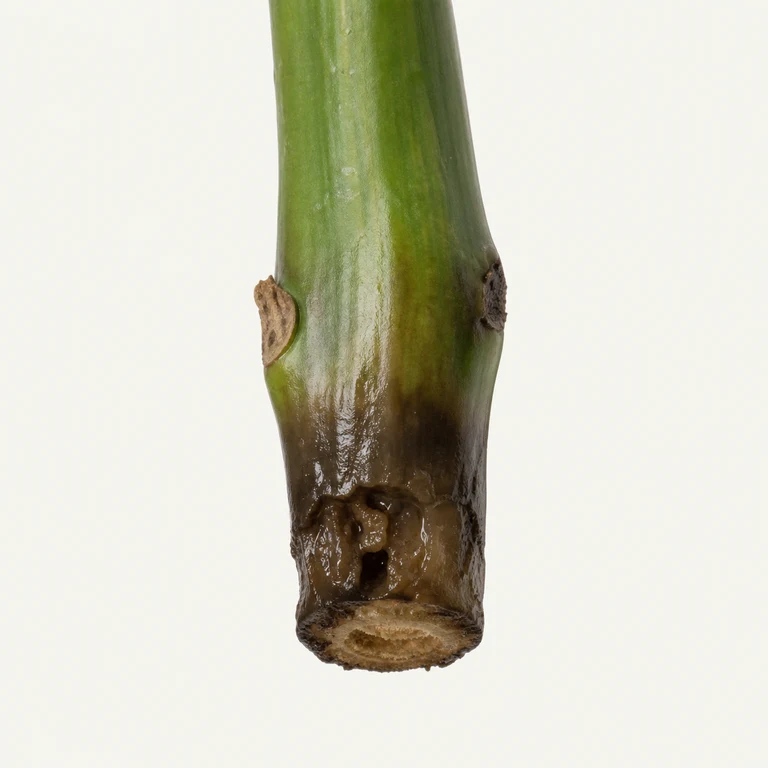
Often a sign of excess moisture or poor drainage. Check roots, soil, and pot conditions promptly.
Check causes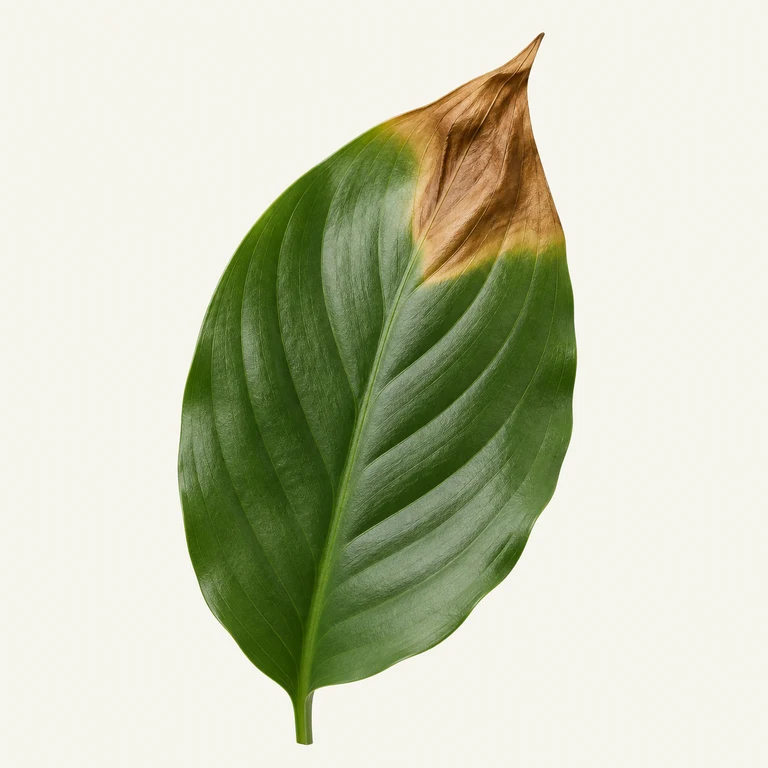
Brown tips show a pattern of damage. Check moisture, humidity, salts, and recent fertiliser use.
Check causesUse medium to bright indirect light and make any location change gradually.
Use the condition of the growing medium and visible root zone as information before watering. Let excess drain fully and avoid treating elapsed days as the answer.
This is a care estimate, not a fixed watering schedule. Check the root zone before deciding.
Use a porous orchid mix that allows roots to breathe and does not stay soggy.
Average indoor humidity can be a starting observation, while airflow and root-zone conditions remain important context.
Fertilize during active growth with an orchid-appropriate product, following the label and reducing feeding in cooler or overcast conditions.
Repot into porous medium when the existing medium breaks down or roots need attention; a larger pot is not automatically needed.
Use clean tools and pause to identify the plant structure before removing living tissue.
Use specialist guidance for orchid propagation rather than treating it as a response to a care issue.
Aim for a stable indoor range around 18–28°C. Local conditions and seasonal changes still matter.
For cats: safe; for dogs: safe; for humans: unknown. Keep plant material out of reach of children and animals; consult a veterinary or medical professional if ingestion is suspected.
Let foliage dry after watering to reduce crown-rot risk.
Inspect roots and replace degraded medium rather than watering again.
No. Water thoroughly, then wait until the growing medium is nearly dry; drying speed varies with light, temperature, and humidity.
ASPCA lists Phalaenopsis orchid as non-toxic to cats and dogs.
Water collecting in the crown can contribute to crown rot; water in the morning and let foliage dry.
Repot into porous medium when the medium decomposes or roots need attention.
These references support the safety, temperature, watering, pest, propagation, and warning-sign guidance in this profile.