Light
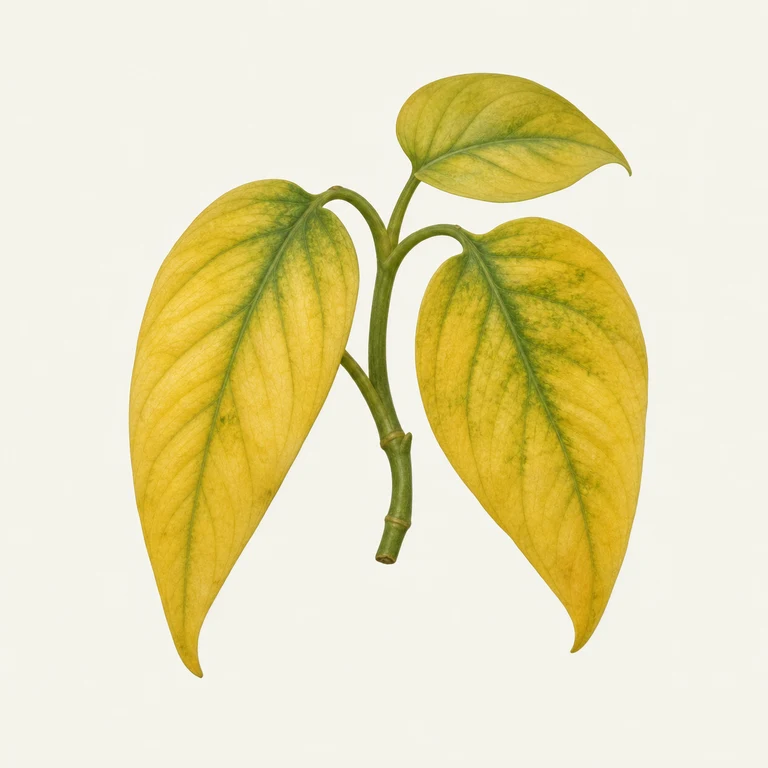
Yellow leaves
Yellow leaves signal stress, not a diagnosis. Check light, watering, pests, and recent changes.
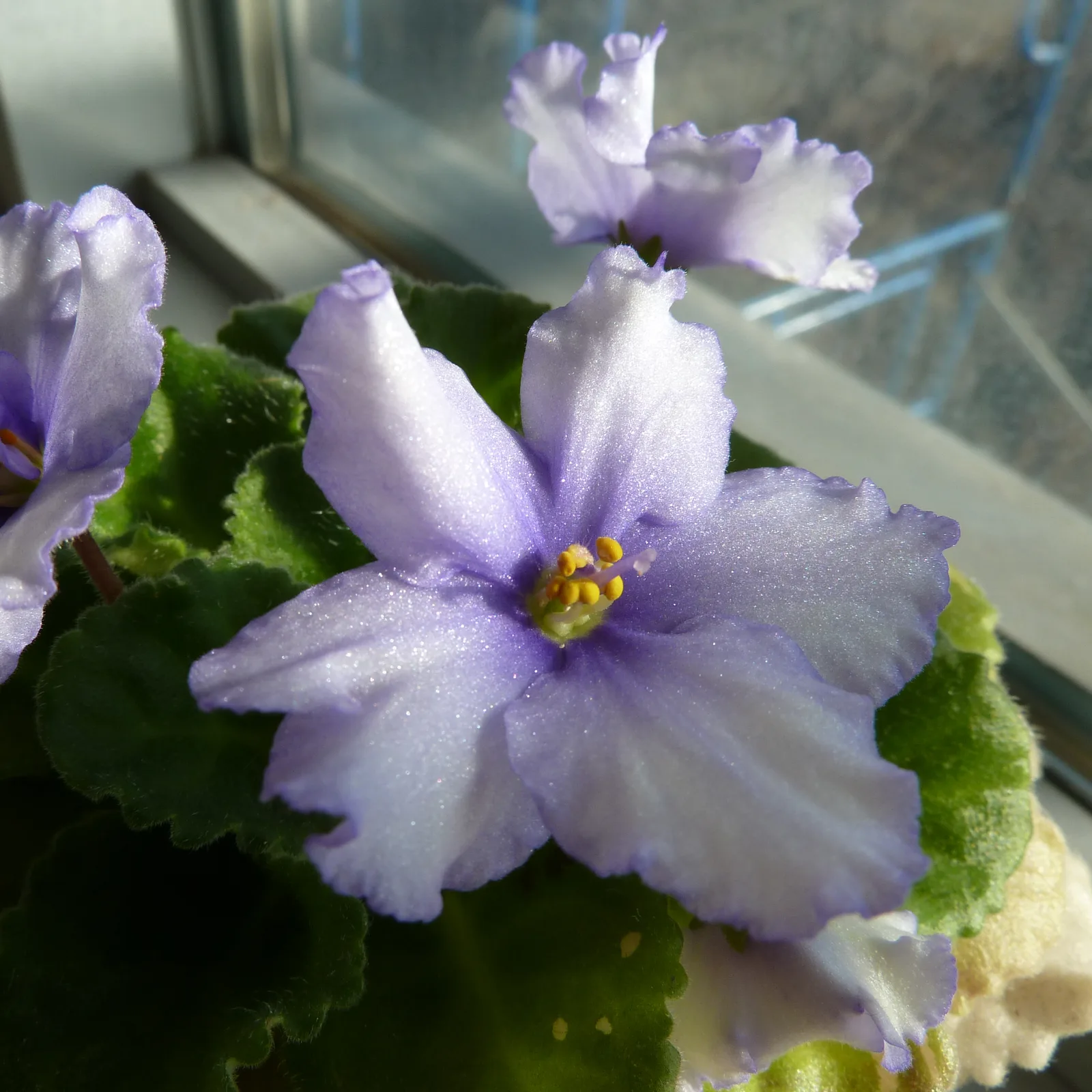
Check causesStreptocarpus ionanthus
Also known as Kenya violet, Saintpaulia
A compact flowering houseplant profile for careful indirect light, moisture observation, and measured adjustments.
Yellow leaves signal stress, not a diagnosis. Check light, watering, pests, and recent changes.
Check causes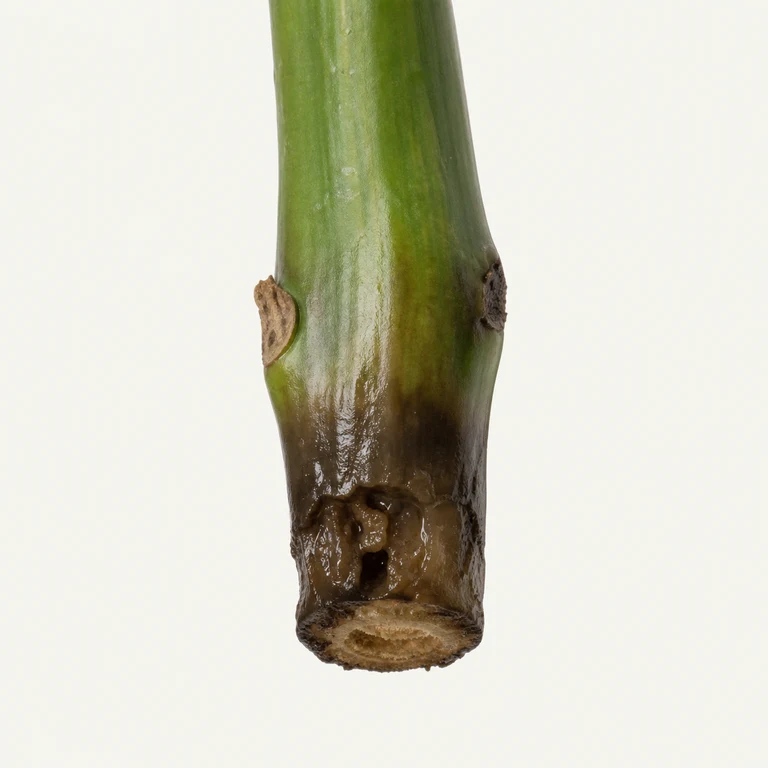
Often a sign of excess moisture or poor drainage. Check roots, soil, and pot conditions promptly.
Check causes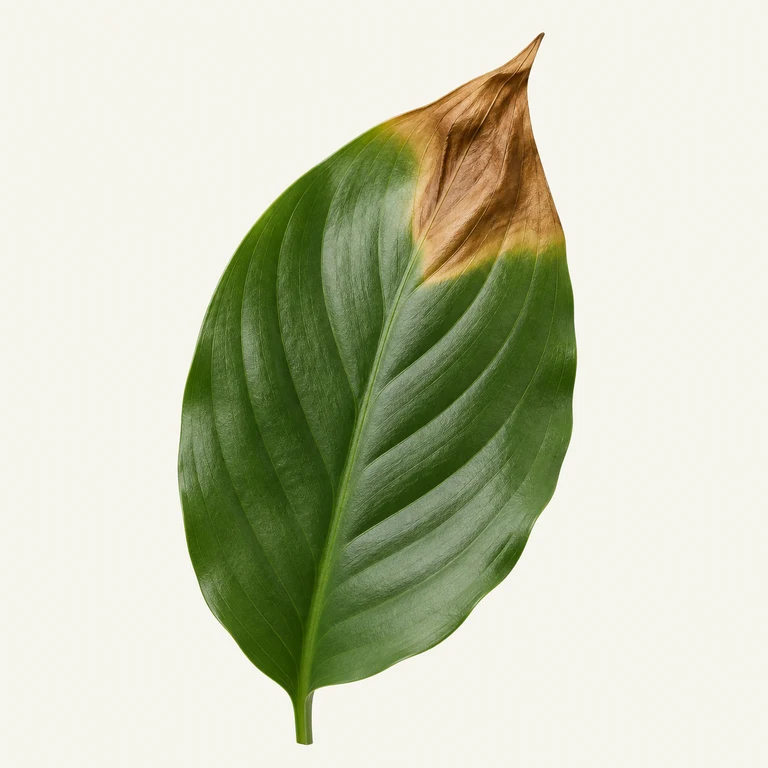
Brown tips show a pattern of damage. Check moisture, humidity, salts, and recent fertiliser use.
Check causesProvide consistent indirect light and observe the plant before making a second adjustment.
Check the growing mix before watering and avoid leaving water collected around the container. A droop alone does not identify the cause.
This is a care estimate, not a fixed watering schedule. Check the root zone before deciding.
Use a mix and draining pot that allow a meaningful moisture check. Avoid making a change based only on a dry-looking surface.
Average conditions can be a starting point; consider airflow, light, and soil together if foliage or flowering changes.
Use a labelled product only during stable growth and never as the first response to a plant that is already stressed.
Evaluate roots, mix, and drainage before repotting. A larger container is not an automatic solution for slower growth or fewer flowers.
Remove damaged material with clean tools after checking whether the root zone or light position needs attention.
Propagation instructions for this profile require expert review before use.
Aim for a stable indoor range around 18–27°C. Local conditions and seasonal changes still matter.
For cats: safe; for dogs: safe; for humans: unknown. Keep plant material out of reach of children and animals; consult a veterinary or medical professional if ingestion is suspected.
Pause watering and inspect drainage before feeding or repotting.
Review the light position before treating it as a fertilizer problem.
No. Review light, soil condition, root-zone moisture, and recent environmental changes before changing feeding.
ASPCA lists African violet as non-toxic to cats and dogs.
Overwatering is a common problem; use a well-drained mix and do not leave the crown or root zone waterlogged.
Use bright, filtered light and avoid abrupt location changes.
These references support the safety, temperature, watering, pest, propagation, and warning-sign guidance in this profile.