Light
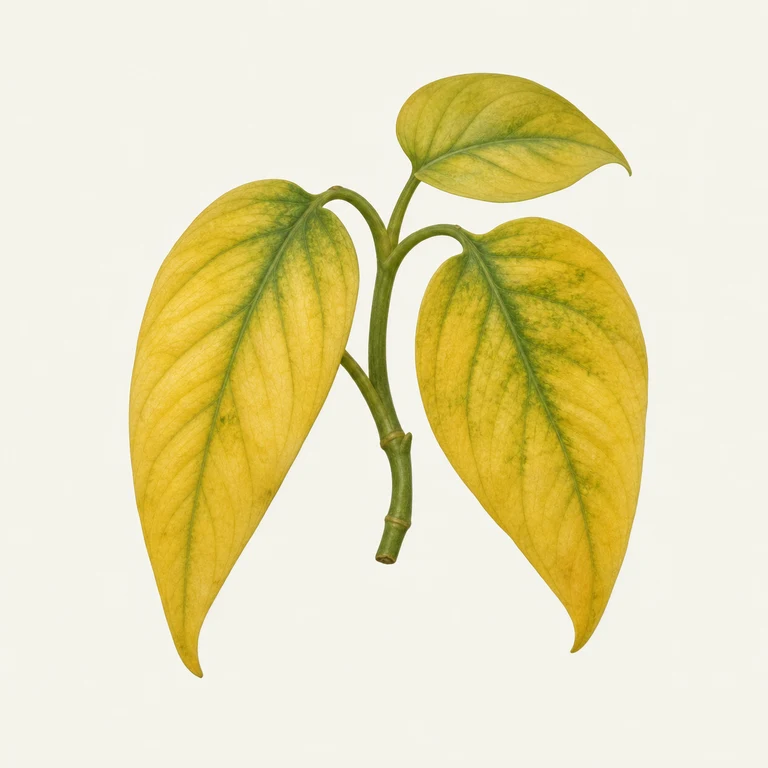
Yellow leaves
Yellow leaves signal stress, not a diagnosis. Check light, watering, pests, and recent changes.
Check causesPhilodendron hederaceum
Also known as Sweetheart plant, Parlor ivy
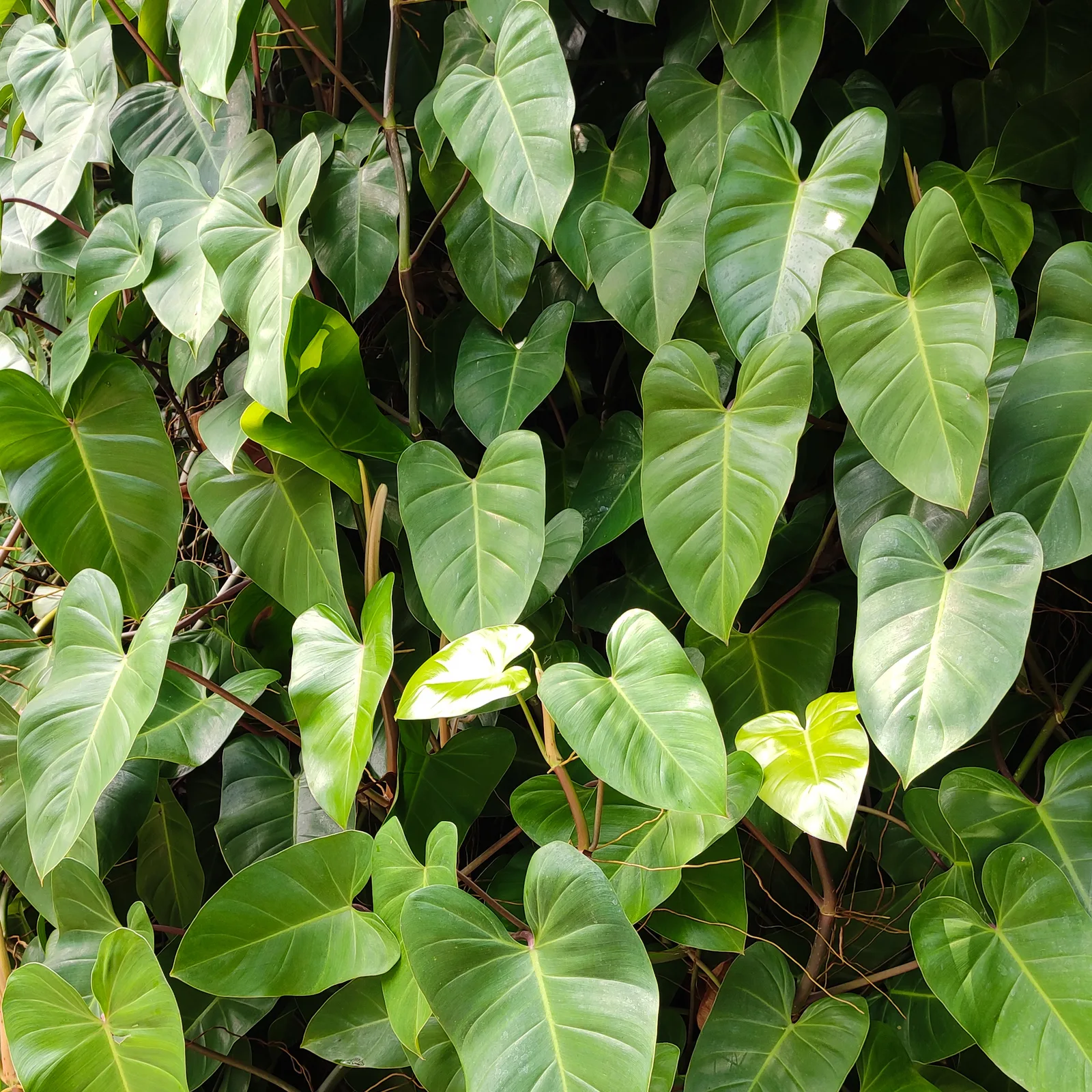
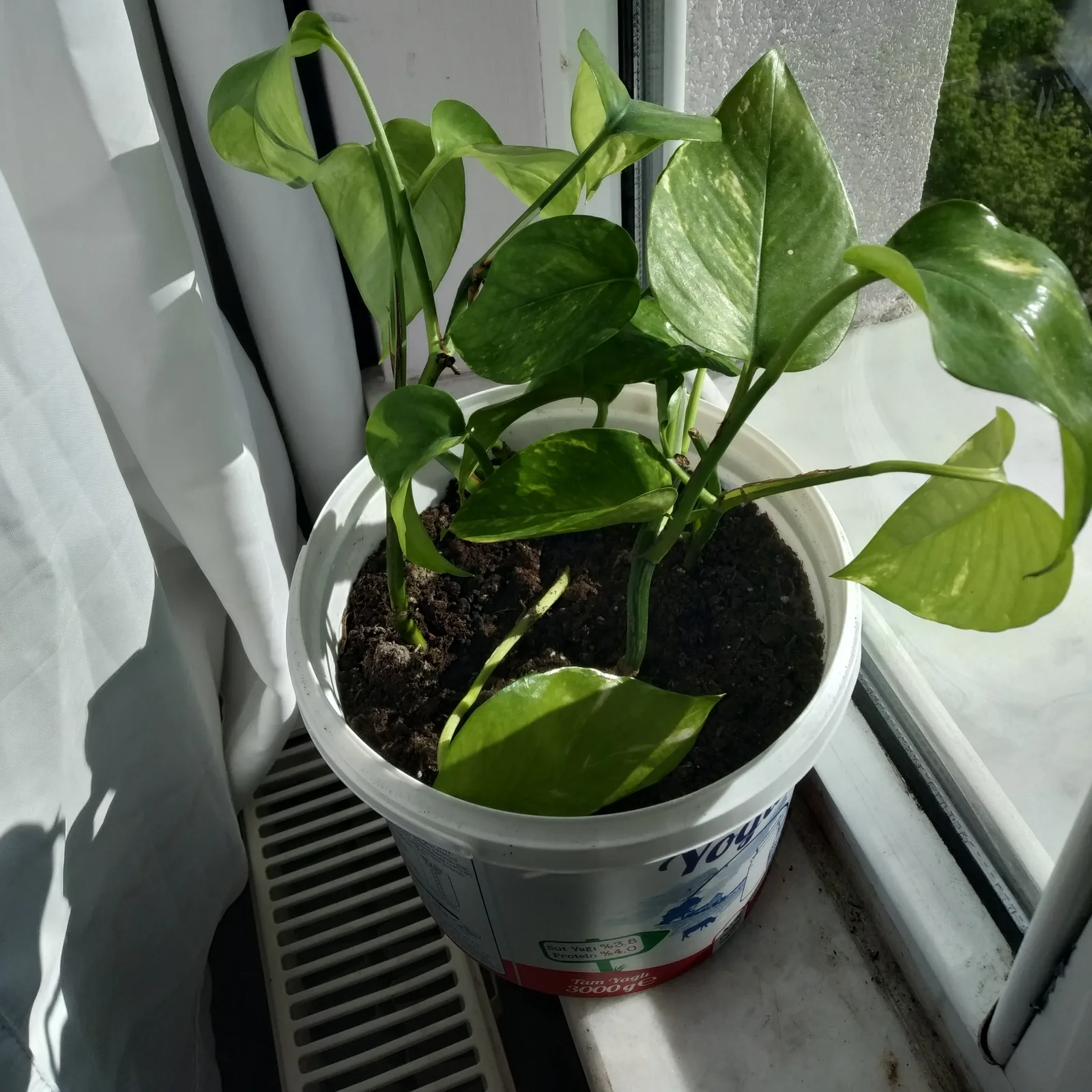
A trailing foliage plant with heart-shaped leaves that can suit many indoor spaces when care changes stay gradual.
Yellow leaves signal stress, not a diagnosis. Check light, watering, pests, and recent changes.
Check causes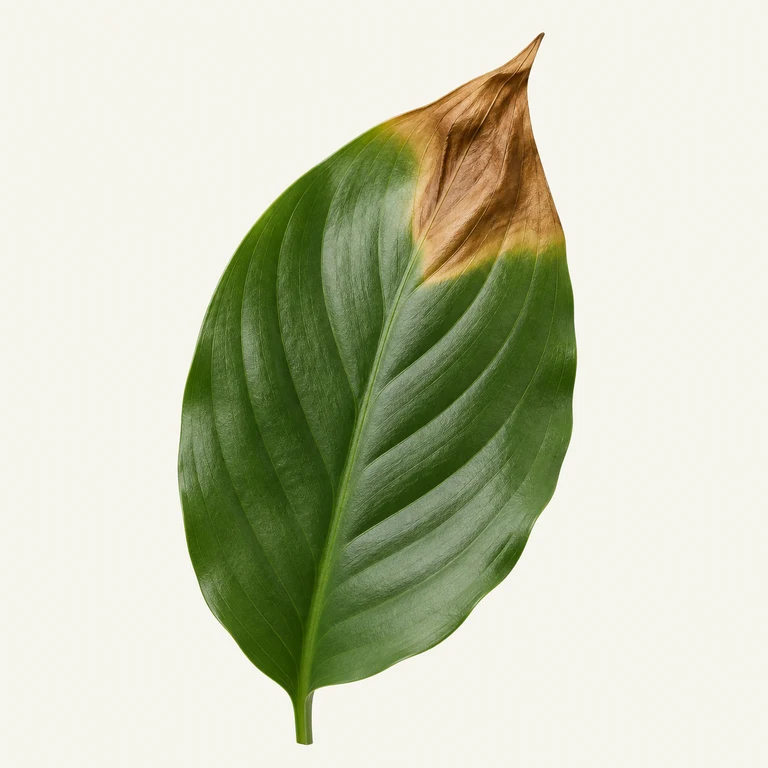
Brown tips show a pattern of damage. Check moisture, humidity, salts, and recent fertiliser use.
Check causes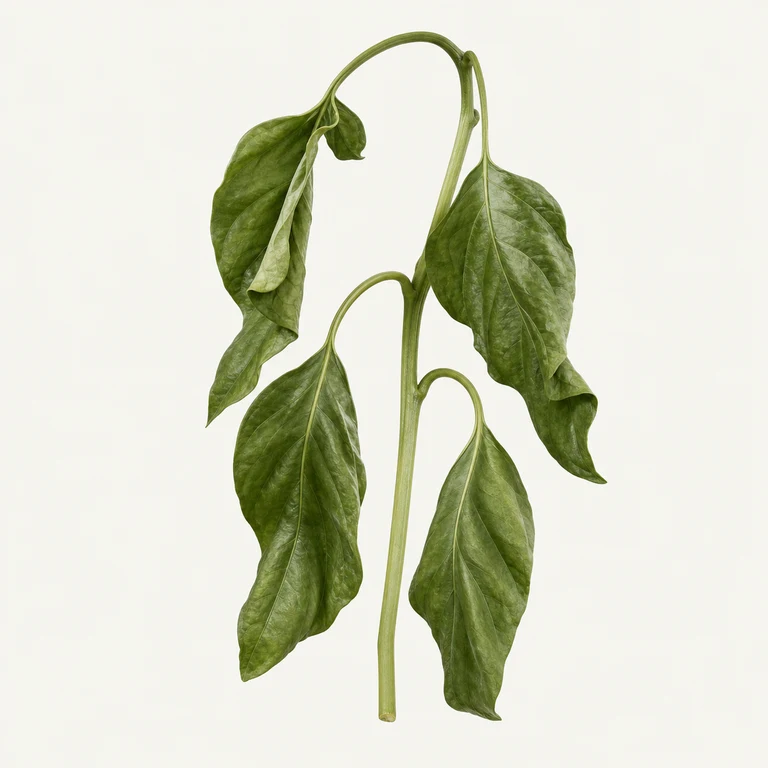
Drooping can mean too little or too much water. Check roots, soil moisture, and the pot.
Check causesIt adapts to lower light but grows most evenly in medium to bright indirect light. Avoid abrupt moves into intense direct sun.
Water when the upper part of the mix has begun to dry, then allow excess to drain. Do not keep the potting mix saturated.
This is a care estimate, not a fixed watering schedule. Check the root zone before deciding.
Use a loose, well-drained houseplant mix that does not stay compacted after watering.
Average home humidity can be workable. If leaves change, compare the root zone, light, airflow, and recent changes before reacting.
Feed only in active growth according to the product label, not as a first response to yellowing or slowed growth.
Evaluate the container when root crowding or uneven drying makes care difficult to observe; choose a measured change in pot size.
Trim long or damaged growth with clean tools after considering whether light or watering conditions are contributing to the change.
Use healthy material and clean tools. Do not propagate a cutting that may be carrying an unresolved care or pest issue.
Aim for a stable indoor range around 18–29°C. Local conditions and seasonal changes still matter.
For cats: toxic; for dogs: toxic; for humans: toxic. Keep plant material out of reach of children and animals; consult a veterinary or medical professional if ingestion is suspected.
Review the light position before changing watering or fertilizer; medium to bright indirect light can support more even growth.
Pause watering and inspect drainage and root-zone conditions before taking further action.
Review the light position first. Lower light is tolerated, but medium to bright indirect light generally supports more even growth.
Use healthy stem material and clean tools. Do not take propagation material from a plant with unresolved pest or root problems.
No. ASPCA lists heartleaf philodendron as toxic to cats and dogs; place trailing stems where pets cannot chew them.
First check light, watering, and the root zone. Feed only during active growth and follow the fertilizer label rather than using fertilizer to solve yellowing.
These references support the safety, temperature, watering, pest, propagation, and warning-sign guidance in this profile.
.jpg)