Light
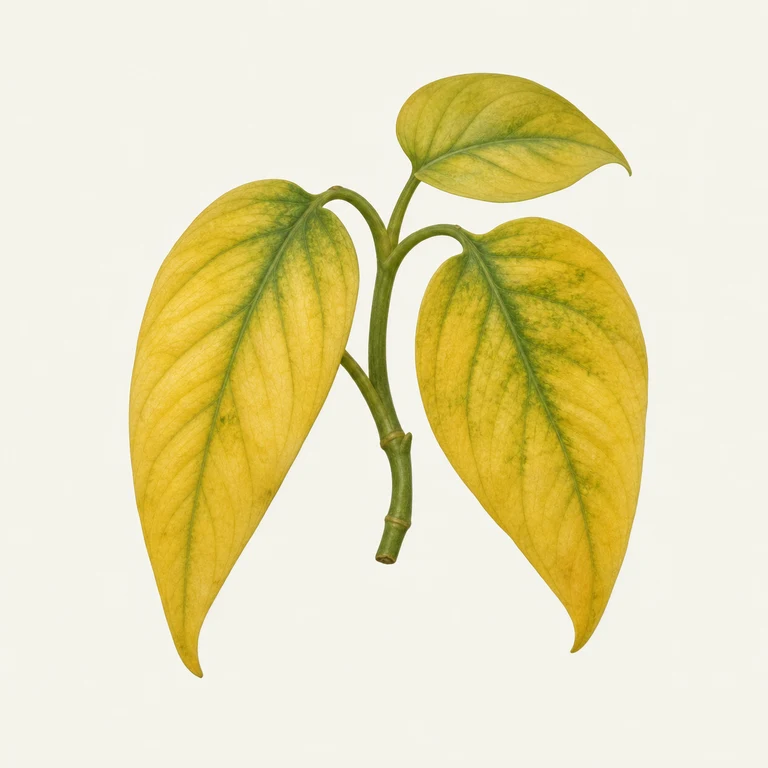
Yellow leaves
Yellow leaves signal stress, not a diagnosis. Check light, watering, pests, and recent changes.
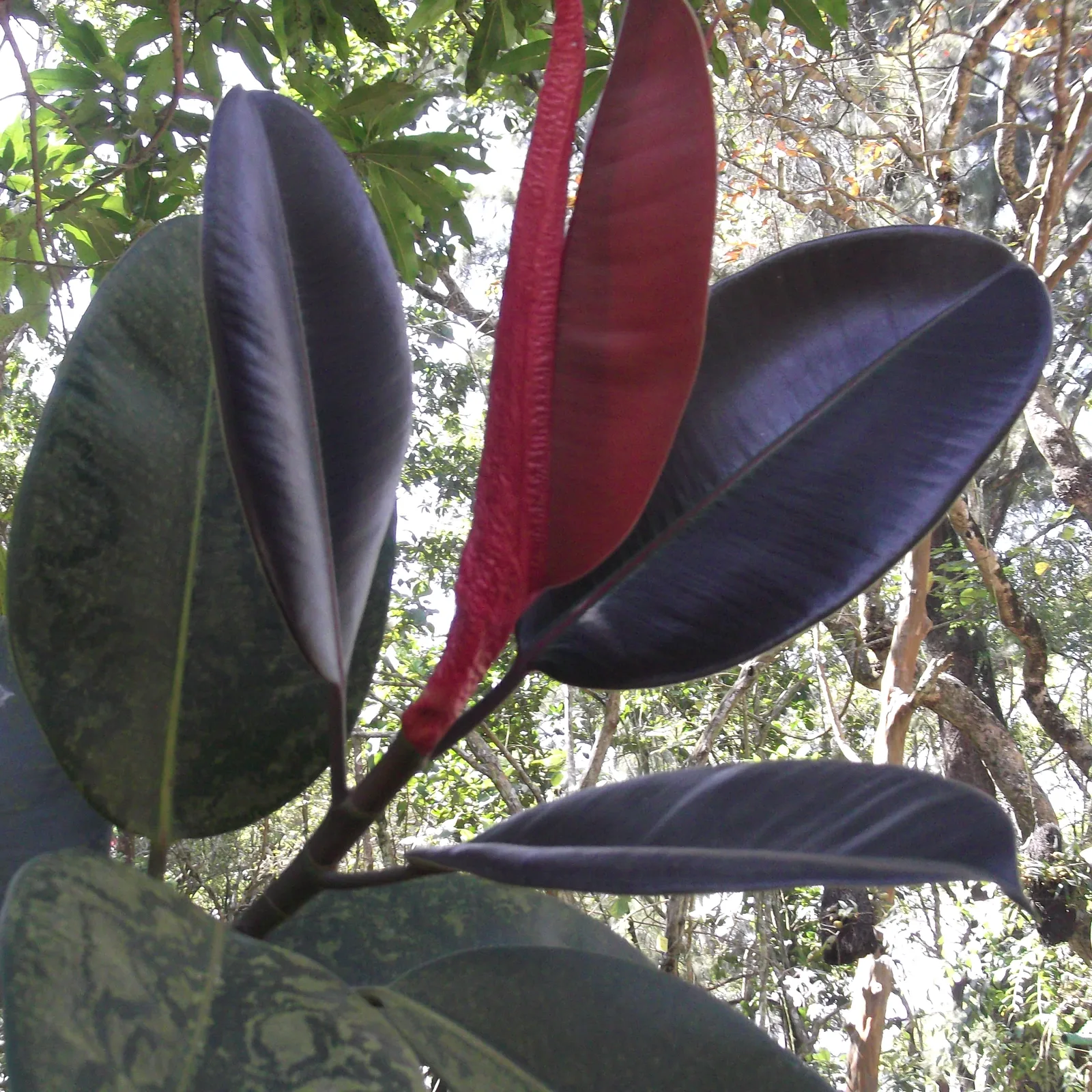
Check causesFicus lyrata
Also known as Banjo fig
A large-leaved indoor tree profile that benefits from stable bright indirect light and methodical root-zone checks.

Yellow leaves signal stress, not a diagnosis. Check light, watering, pests, and recent changes.
Check causes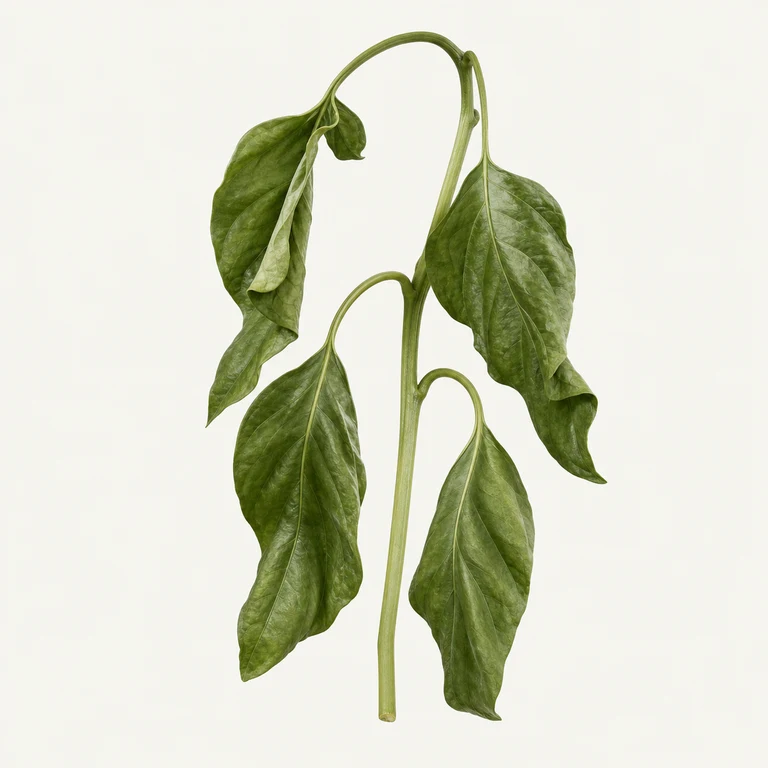
Drooping can mean too little or too much water. Check roots, soil moisture, and the pot.
Check causes
Curling can have multiple causes. Inspect new growth, leaf undersides, and moisture before treating.
Check causesUse consistent bright indirect light and avoid repeated abrupt location changes. Observe the position across the day before adjusting it.
Check the root zone at more than one point before watering. A wet or heavy pot is a reason to pause and inspect drainage rather than add water for a droop.
This is a care estimate, not a fixed watering schedule. Check the root zone before deciding.
Choose an airy mix and a draining container that make the deeper root zone observable.
Average room humidity can be a starting point; consider airflow and drafts with the soil and light context if leaves change.
Use a labelled product during stable active growth, not as a rapid fix for yellowing or leaf drop.
Evaluate roots, mix condition, and drainage before repotting. Keep the pot change modest so water behaviour remains understandable.
Remove damaged material with clean tools after checking whether the damage relates to light, root-zone moisture, or a recent move.
Do not use propagation to bypass an active care issue; stabilise the parent plant first.
Aim for a stable indoor range around 18–29°C. Local conditions and seasonal changes still matter.
For cats: toxic; for dogs: toxic; for humans: toxic. Keep plant material out of reach of children and animals; consult a veterinary or medical professional if ingestion is suspected.
Check whether the root zone has been too wet or too dry before changing location.
Review drafts, heating or cooling vents, and direct sun exposure.
No. Make one gradual change only after checking the plant's light, soil, and recent environmental history.
No. ASPCA identifies fiddle-leaf fig as mildly toxic to cats and dogs; keep leaves and sap out of reach.
Check for abrupt temperature changes, excess direct sun, and root-zone conditions before changing several parts of care.
North Carolina Extension lists stem cuttings as a propagation strategy; start with healthy material and clean tools.
These references support the safety, temperature, watering, pest, propagation, and warning-sign guidance in this profile.