Light
Yellow leaves
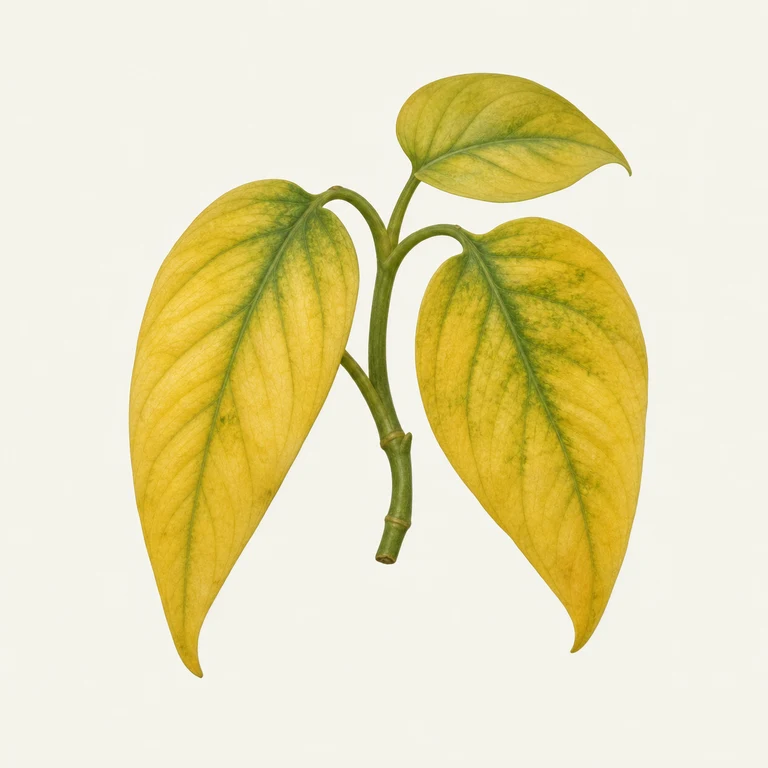
Yellow leaves signal stress, not a diagnosis. Check light, watering, pests, and recent changes.
Check causesHedera helix
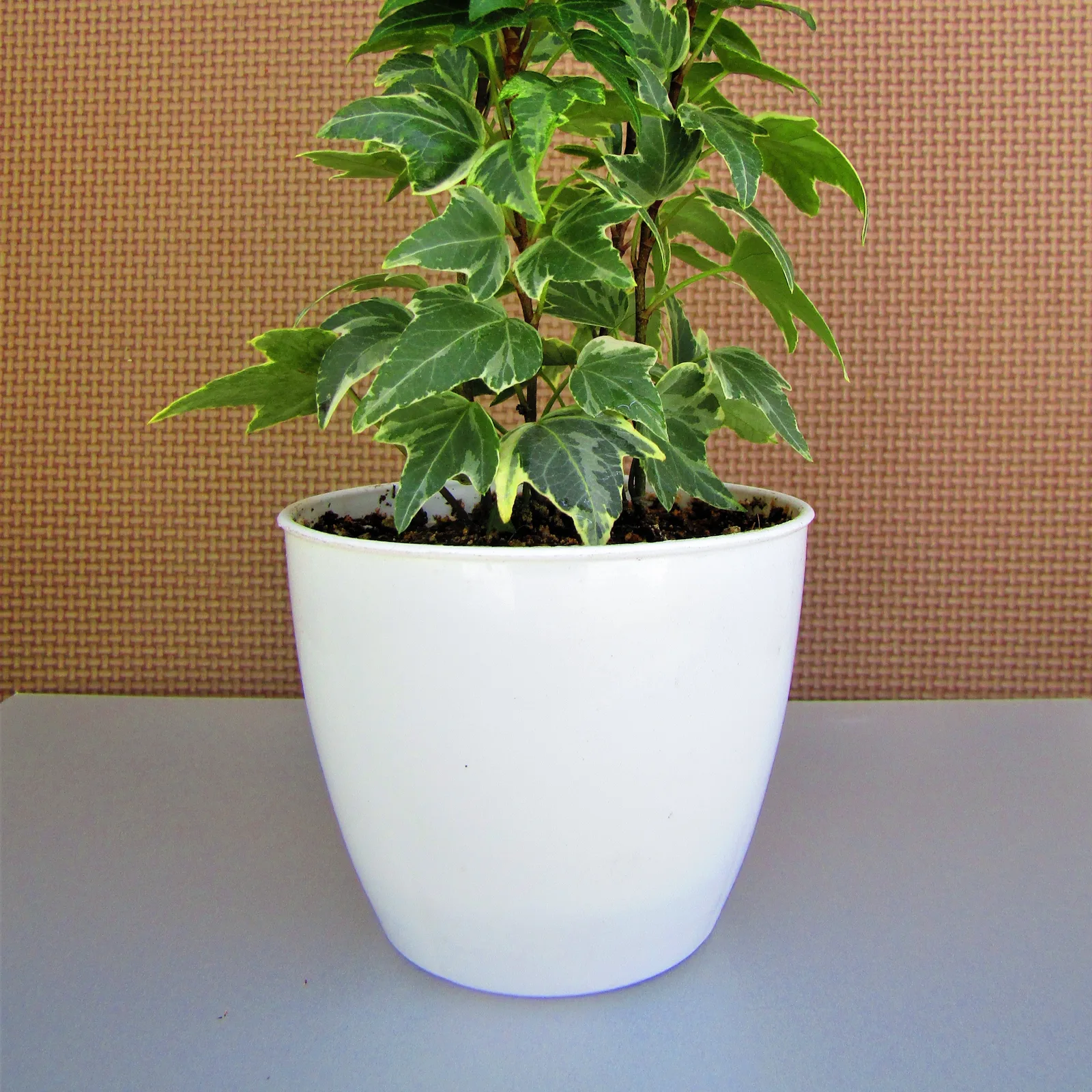
Also known as Common ivy, Baltic ivy, California ivy
A trailing foliage profile for indirect light, drainage-aware watering, and close observation of changing leaves.
Yellow leaves signal stress, not a diagnosis. Check light, watering, pests, and recent changes.
Check causes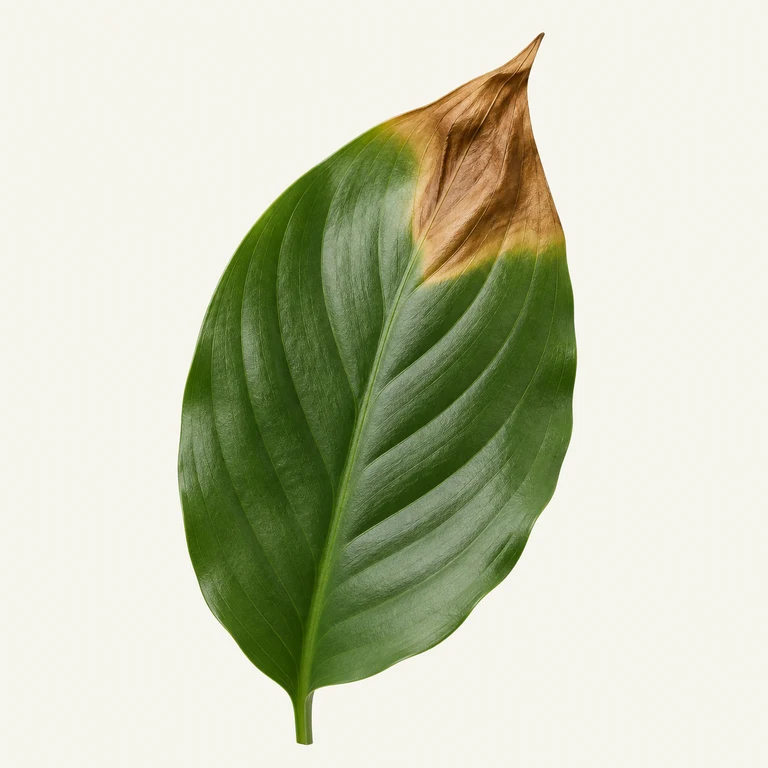
Brown tips show a pattern of damage. Check moisture, humidity, salts, and recent fertiliser use.
Check causes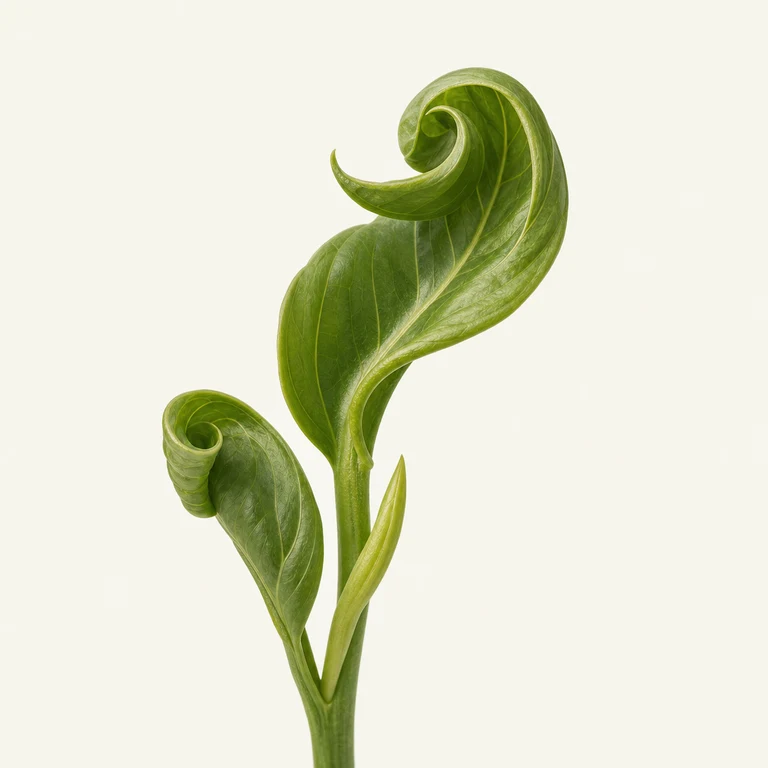
Curling can have multiple causes. Inspect new growth, leaf undersides, and moisture before treating.
Check causesUse indirect light and adjust the position gradually if the leaves change.
Check deeper than the surface before watering and allow excess to drain. Reassess wet soil before treating a change as thirst.
This is a care estimate, not a fixed watering schedule. Check the root zone before deciding.
Use a draining mix that makes root-zone moisture possible to observe.
Average room humidity is a starting context; compare it with light, airflow, and soil before acting.
Use a labelled product only during stable growth, after unresolved symptoms are checked.
Repot when roots or mix condition make watering behaviour difficult to interpret.
Use clean tools for damaged growth and inspect the rest of the plant before cutting heavily.
Use healthy material and species-appropriate guidance for propagation.
Aim for a stable indoor range around 18–27°C. Local conditions and seasonal changes still matter.
For cats: toxic; for dogs: toxic; for humans: toxic. Keep plant material out of reach of children and animals; consult a veterinary or medical professional if ingestion is suspected.
Inspect for aphids, scale, mealybugs, or mites before treating.
Do not plant in natural areas; check local invasive-species guidance.
No. Check light, soil, recent changes, and visible plant condition before changing the watering routine.
No. North Carolina Extension identifies English ivy as a problem for cats and dogs.
It is invasive in some regions, including North Carolina; keep it contained and check local guidance before outdoor planting.
Inspect for aphids, mealybugs, scale, and mites before treating suspected pest damage.
These references support the safety, temperature, watering, pest, propagation, and warning-sign guidance in this profile.
.jpg)