Light
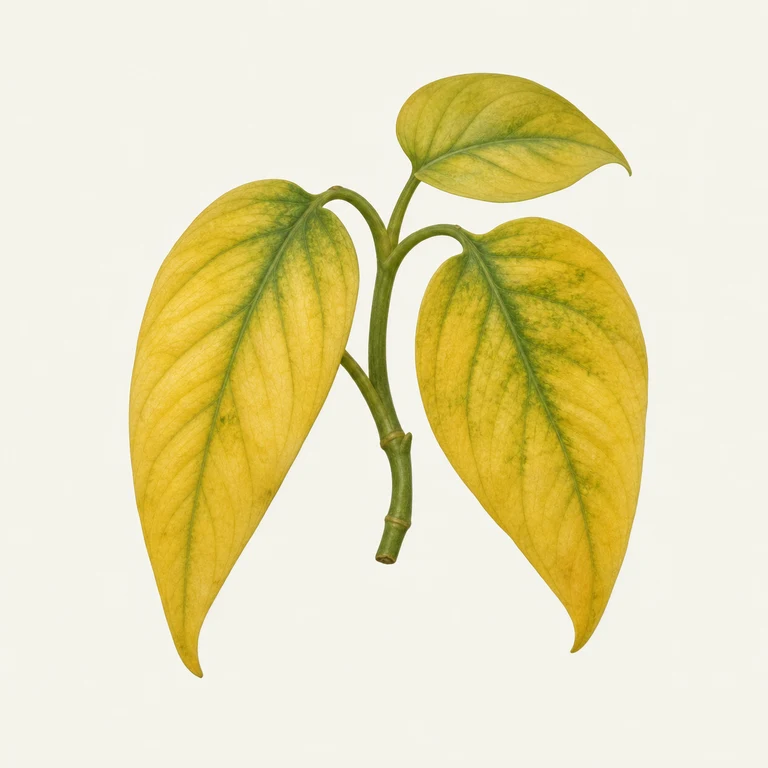
Yellow leaves
Yellow leaves signal stress, not a diagnosis. Check light, watering, pests, and recent changes.
Check causesZamioculcas zamiifolia
Also known as Zanzibar gem, Eternity plant, Emerald palm
A sculptural indoor foliage plant often chosen for lower-light rooms and a cautious watering routine.
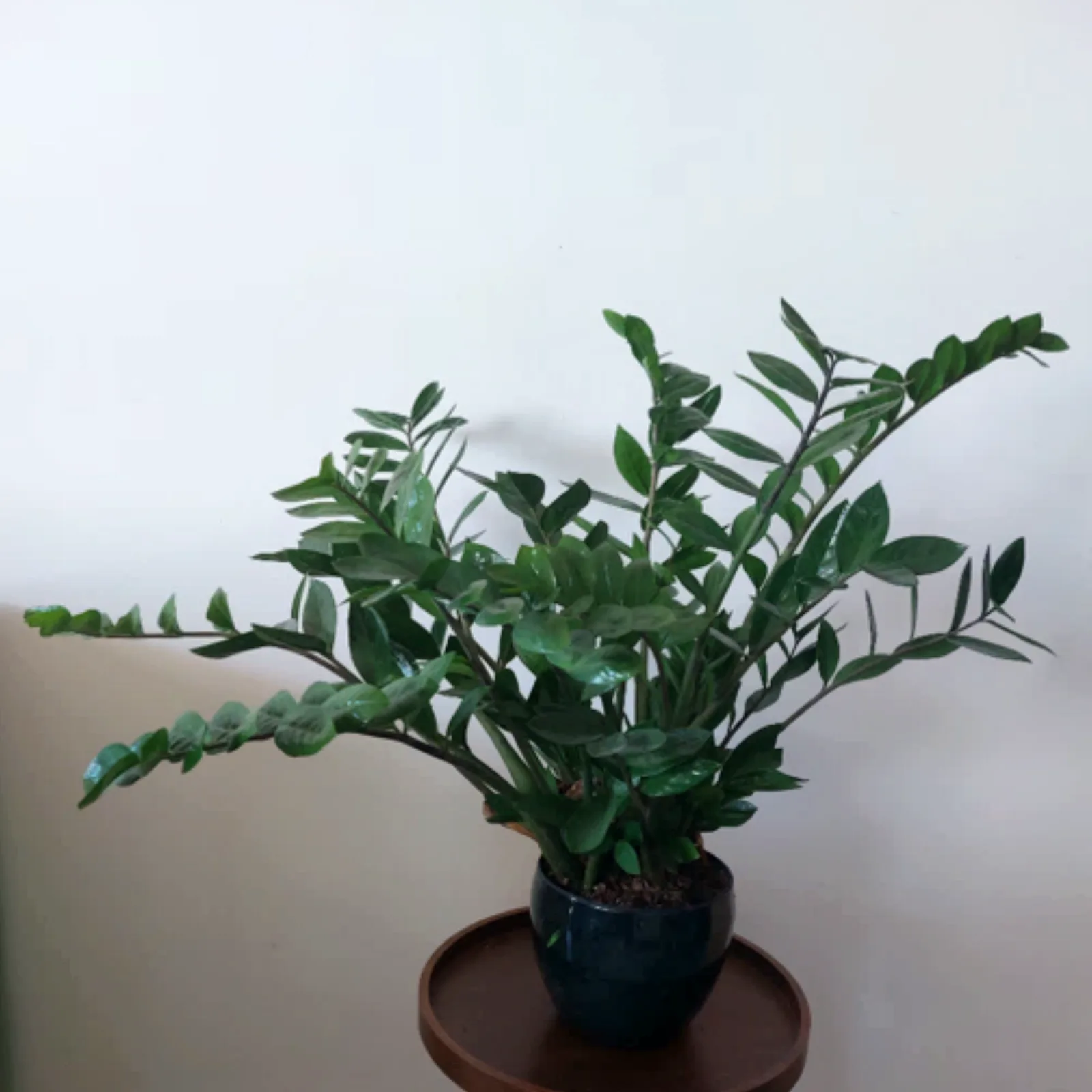
ZZ plant tolerates low light, but bright indirect light is preferable. Keep it out of harsh direct sun, which can scorch the leaves.
Let the potting mix dry between waterings. Check below the surface and use pot weight as a second clue, then let excess water leave the pot.
This is a care estimate, not a fixed watering schedule. Check the root zone before deciding.
Use a well-drained potting mix. If the pot stays heavy after watering, check drainage before adding more water.
Average household humidity is suitable. Keep the plant away from abrupt cold drafts or heating changes when diagnosing foliage problems.
Feed lightly during active growth, following the product label. Do not use fertilizer to correct a plant with unresolved root-zone stress.
Repot only when the root system or potting mix makes drainage and watering hard to manage; avoid an oversized pot.
Remove clearly damaged material with clean tools after checking whether the change points to a broader care issue.
Division or leaf cuttings can be used for propagation; start with healthy material and clean tools.
Aim for a stable indoor range around 18–29°C. Local conditions and seasonal changes still matter.
For cats: toxic; for dogs: toxic; for humans: toxic. Keep plant material out of reach of children and animals; consult a veterinary or medical professional if ingestion is suspected.
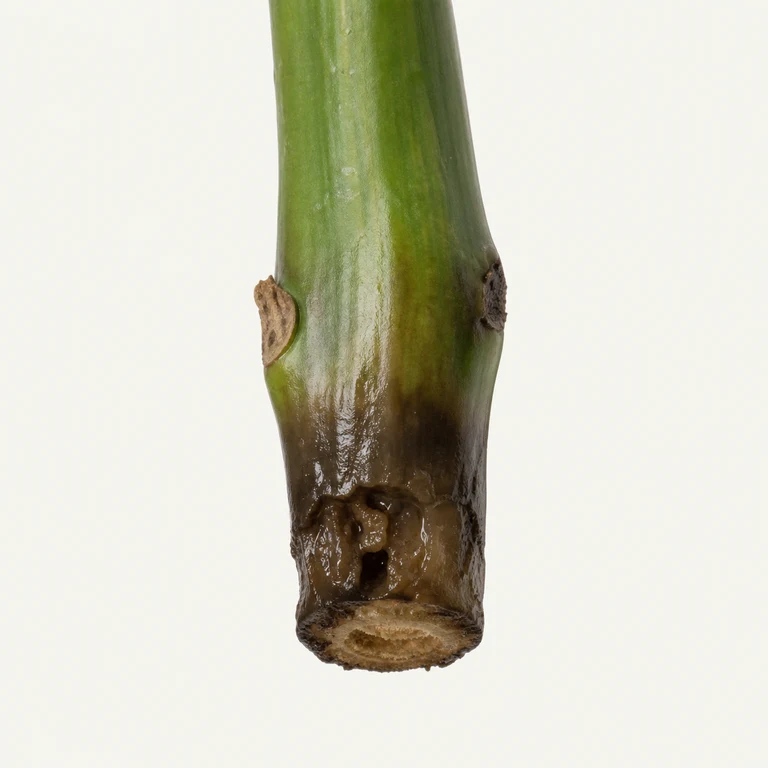
Pause watering and check drainage, pot size, and the condition of the mix before changing other parts of care.
Check the root zone first and remove only clearly damaged material with clean tools.
No. Use a deeper soil observation and the pot's weight instead of treating elapsed days as a watering instruction.
It tolerates low light, but bright indirect light is a better long-term position. Do not move it suddenly into harsh direct sun.
No. ASPCA identifies ZZ plant among houseplants that can harm pets, so keep it where pets cannot chew the leaves or stems.
Inspect the root zone and drainage before changing several care conditions. A pot that stays wet for a long time needs attention before another watering.
These references support the safety, temperature, watering, pest, propagation, and warning-sign guidance in this profile.