Watering
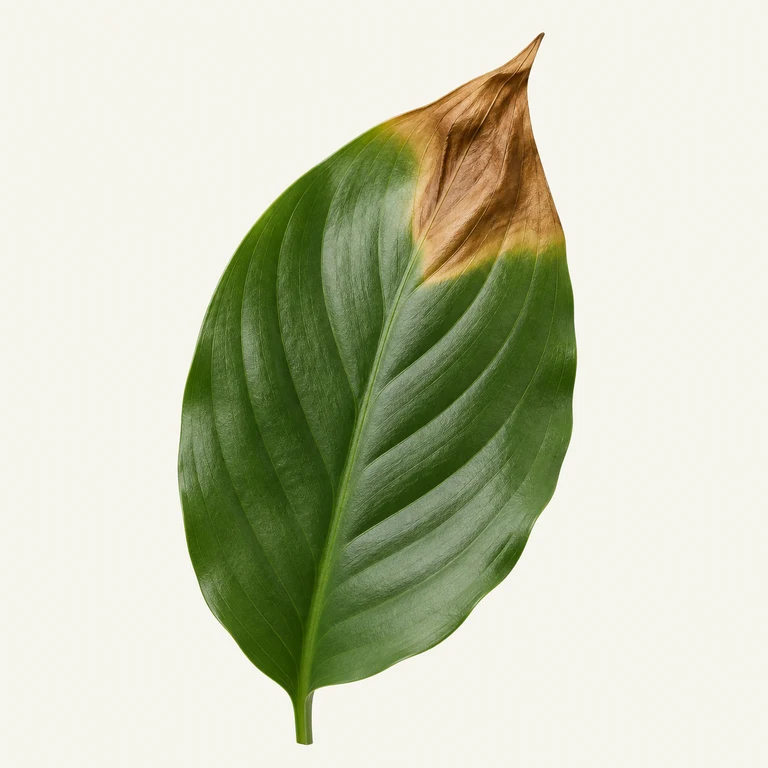
Brown tips
Brown tips show a pattern of damage. Check moisture, humidity, salts, and recent fertiliser use.
Check causesNephrolepis exaltata
Also known as Sword fern, Wild Boston fern
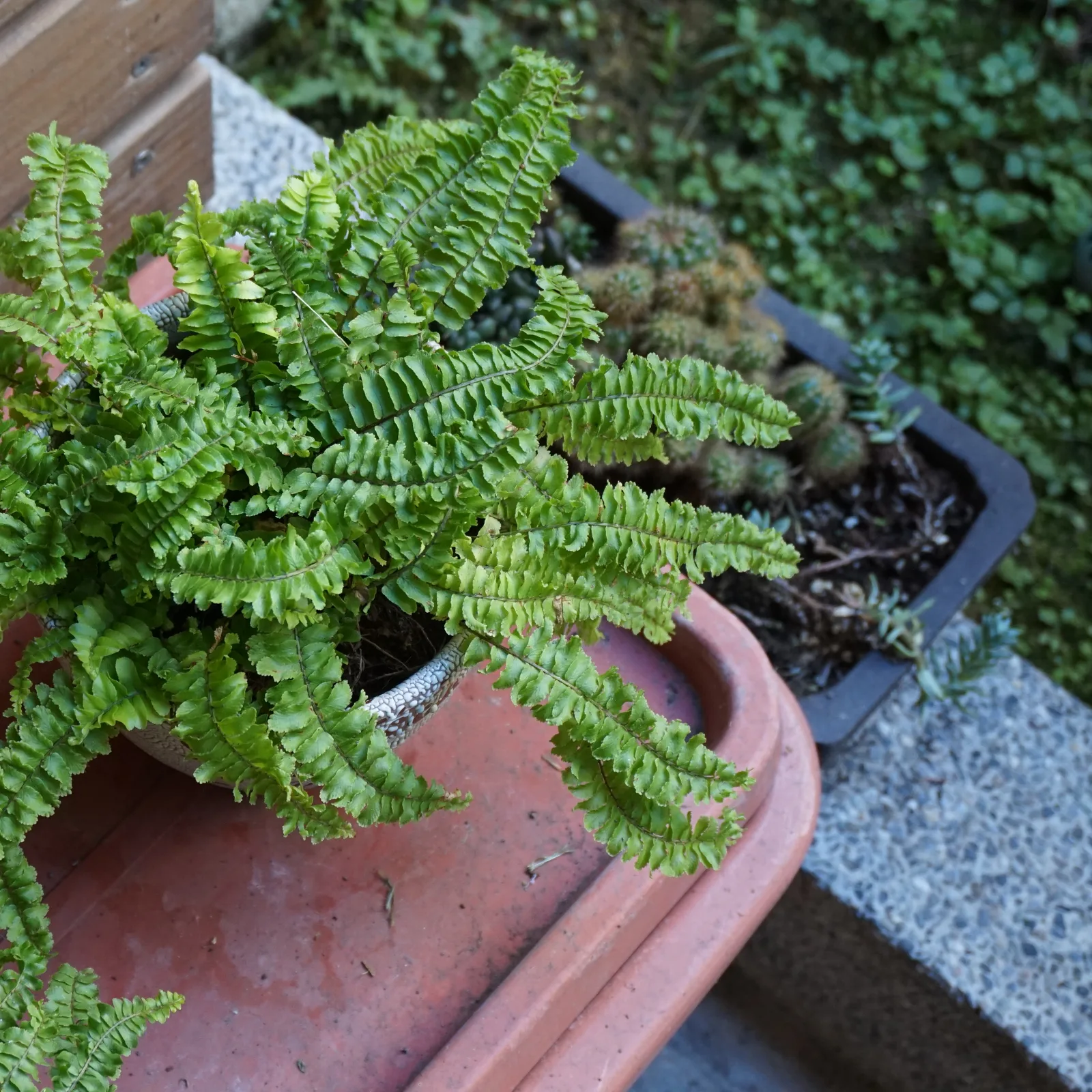
A feathery fern for indoor spaces where root-zone moisture, room humidity, and airflow can be observed together.
Brown tips show a pattern of damage. Check moisture, humidity, salts, and recent fertiliser use.
Check causes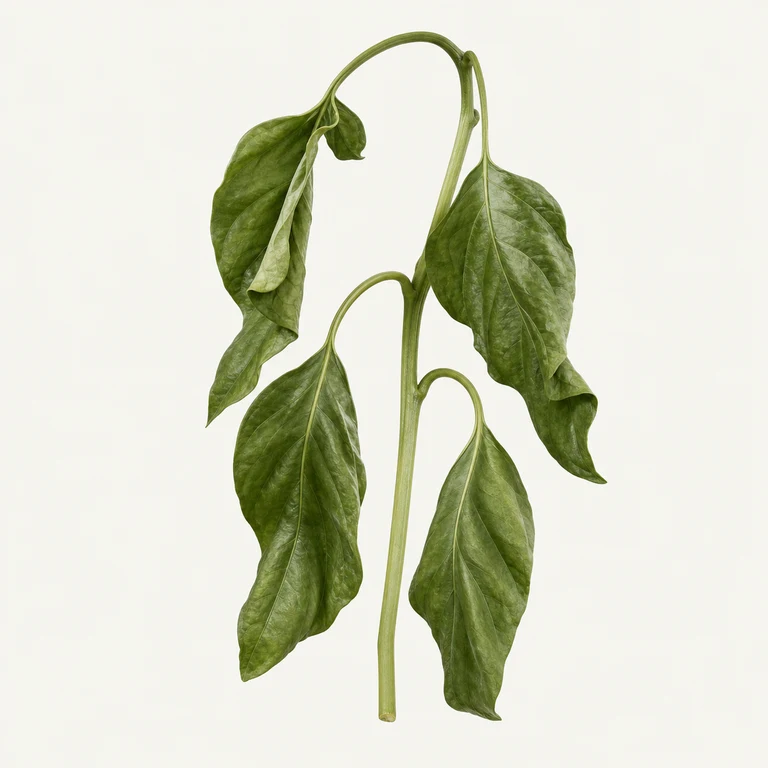
Drooping can mean too little or too much water. Check roots, soil moisture, and the pot.
Check causes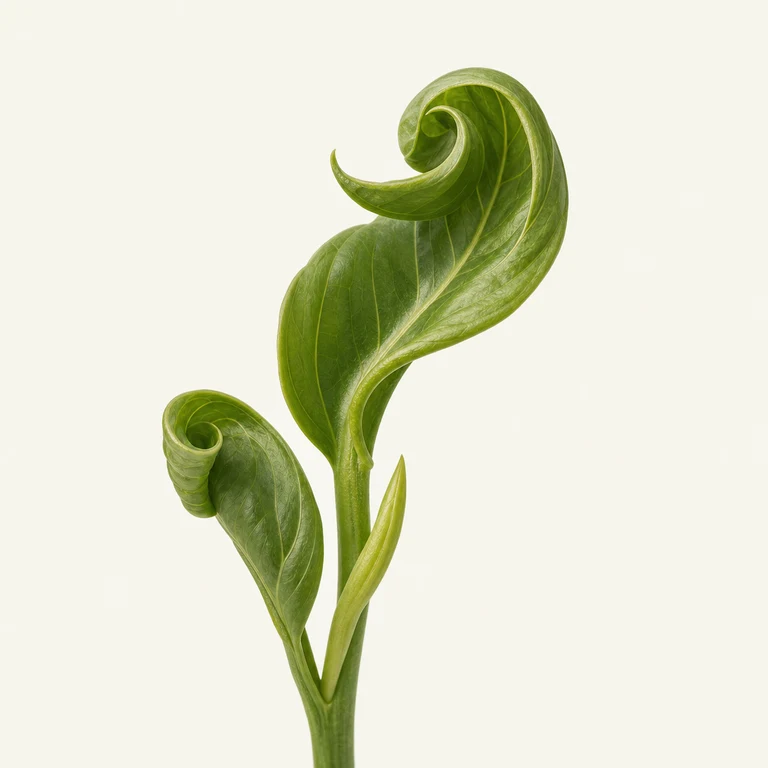
Curling can have multiple causes. Inspect new growth, leaf undersides, and moisture before treating.
Check causesUse indirect light and avoid abrupt shifts into intense sun. Review the plant's position across the day before moving it again.
Observe the upper mix and deeper root zone together. Water only in response to the soil condition, then make sure excess water is not held around the roots.
This is a care estimate, not a fixed watering schedule. Check the root zone before deciding.
Use a mix that can hold observable moisture without remaining waterlogged. Drainage and a deeper check matter more than the surface alone.
Higher humidity may be relevant, but airflow and root-zone conditions still need separate checks. Do not use misting as a substitute for diagnosing brown tips.
Use a labelled product cautiously during active growth, after light, soil, and room conditions are stable.
Repot when the mix or roots make moisture observations unreliable. Keep the new container proportionate to avoid a large, slow-drying root zone.
Remove fully damaged fronds with clean tools while investigating why new fronds are changing.
Use only healthy material for propagation and do not use propagation as a response to active stress.
Aim for a stable indoor range around 18–27°C. Local conditions and seasonal changes still matter.
For cats: safe; for dogs: safe; for humans: unknown. Keep plant material out of reach of children and animals; consult a veterinary or medical professional if ingestion is suspected.
Check moisture, humidity, and dry-air conditions together before increasing water.
Pause watering and inspect drainage because overwatering can contribute to root rot.
No. Compare the soil, room conditions, and recent changes before treating a brown tip as a single-cause signal.
Yes. ASPCA lists Boston fern among non-toxic plants for cats and dogs.
No. Boston fern naturally produces spores on the undersides of fronds; inspect before treating them as insects or disease.
Reduce watering as growth slows, but do not let the mix dry out completely.
These references support the safety, temperature, watering, pest, propagation, and warning-sign guidance in this profile.